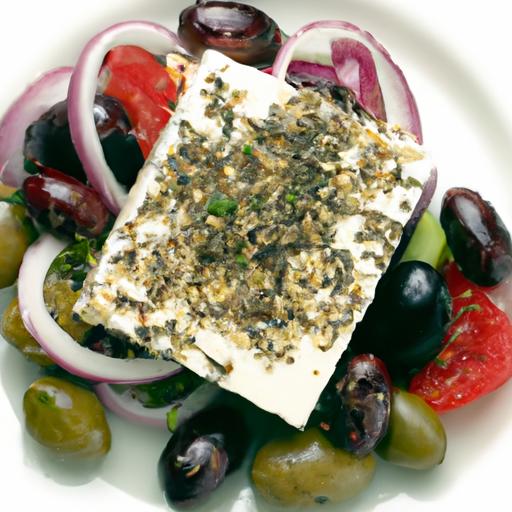

In the world of culinary delights, few ingredients spark as much zest and character as feta cheese. With its crumbly texture and tangy punch, this ancient Greek favorite has journeyed from rustic village tables to gourmet kitchens worldwide. But beyond its vibrant flavor and versatility in dishes, feta cheese harbors a surprising array of health benefits that make it far more than just a tasty topping. This article dives into the nutrient-packed profile of feta, uncovering how this bold, briny cheese can be a flavorful ally in boosting your well-being. Prepare to discover why feta is not only a tangy treat for your taste buds but also a savory boost for your health.
Feta Cheese Benefits: Tangy Boost for Health and Flavor
Feta cheese benefits extend far beyond its unmistakable tangy flavor and crumbly texture, making it a delicious and nourishing addition to any meal. Originating from the sun-drenched hillsides of Greece, this iconic cheese has long been cherished not only for its culinary versatility but also for its rich nutritional profile. Infused with essential vitamins, minerals, and probiotics, feta supports gut health, boosts immunity, and promotes heart and bone wellness-transforming everyday dishes into vibrant, healthful experiences.
Prep and Cook Time
- Preparation: 10 minutes
- Cook Time: 15 minutes
- Total Time: 25 minutes
Yield
Serves 4
Difficulty Level
Easy
Ingredients
- 200g crumbled feta cheese, preferably sheep’s milk
- 2 cups baby spinach leaves, washed and dried
- 1 cup cherry tomatoes, halved
- 1 small red onion, thinly sliced
- 1 tbsp extra virgin olive oil
- 1 tbsp fresh lemon juice
- 1 tsp dried oregano
- 1/4 cup toasted walnuts, coarsely chopped
- Freshly cracked black pepper, to taste
- 1 clove garlic, minced
- 1/2 tsp sea salt, optional
Instructions
- Prepare the dressing: In a small bowl, whisk together the extra virgin olive oil, lemon juice, minced garlic, and dried oregano. Set aside to let the flavors meld.
- Sauté the red onion: Heat a non-stick skillet over medium heat. Add the sliced red onion and sauté until translucent and lightly caramelized, about 5 minutes, stirring occasionally to prevent burning.
- Cook the spinach: Add the baby spinach to the skillet with the onions. Sauté gently until wilted, about 2-3 minutes. Remove from heat and let cool slightly.
- Assemble the salad: In a large bowl, combine the sautéed spinach and onions, halved cherry tomatoes, and toasted walnuts. Drizzle with the prepared dressing and toss gently to coat everything evenly.
- Add the feta: Sprinkle the crumbled feta cheese over the top. Gently fold the mixture once more, preserving the beautiful contrast of textures and colors.
- Season and serve: Finish with freshly cracked black pepper and a pinch of sea salt if desired. Serve immediately, or chill slightly for a refreshing taste.
Tips for Success
- Cheese choice: Opt for authentic PDO (Protected Designation of Origin) feta made from sheep’s or a blend of sheep and goat milk for full flavor and optimal probiotic benefits.
- Probiotic boost: To enhance gut-friendly properties, incorporate a spoonful of raw sauerkraut or a dash of apple cider vinegar in the dressing.
- Make ahead: Prepare the dressing and sautéed vegetables up to a day before. Assemble just before serving to preserve freshness.
- Ingredient swaps: Substitute walnuts for pecans or almonds and add arugula or baby kale for varying nutrient profiles and flavor complexities.
- Balancing saltiness: If your feta is very salty, omit added sea salt from the seasoning step to avoid overpowering the dish.
Serving Suggestions
This vibrant salad pairs beautifully with warm whole-grain pita bread or grilled chicken breast for a balanced meal supporting heart and bone health. Garnish with fresh herbs such as mint or dill to brighten the dish visually and flavor-wise. For an indulgent twist, drizzle additional high-quality olive oil and a sprinkle of toasted pine nuts on top. Serve alongside a chilled glass of crisp white wine or sparkling mineral water with lemon slices to enhance the Mediterranean dining experience.
| Nutrition (per serving) | Amount |
|---|---|
| Calories | 280 kcal |
| Protein | 12g |
| Carbohydrates | 8g |
| Fat | 22g (mostly healthy fats) |

Discover more nutrient-rich cheese recipes like this in our Mediterranean Diets Recipe Collection and deepen your culinary adventures.
For detailed scientific insights into the probiotic benefits of feta, visit the National Center for Biotechnology Information (NCBI).
Q&A
Q&A: Feta Cheese Benefits – Tangy Boost for Health and Flavor
Q1: What makes feta cheese stand out from other cheeses?
A1: Feta cheese is a crumbly, tangy delight traditionally made from sheep’s or goat’s milk. Its distinctive salty flavor and slightly grainy texture set it apart, making it a versatile addition to salads, pastries, and even grilled dishes. But beyond taste, feta packs a nutritional punch that makes it a superstar in the cheese world.
Q2: How does feta cheese contribute to good health?
A2: Feta is rich in calcium, promoting strong bones and teeth, and it provides a good dose of protein essential for muscle repair and growth. Additionally, feta contains probiotics – those friendly bacteria that support a healthy gut microbiome, improving digestion and immune function. Plus, it’s lower in fat and calories compared to many other cheeses, making it a lighter choice for cheese lovers.
Q3: Can feta cheese help with weight management?
A3: Yes! Thanks to its high protein content and satisfying tangy flavor, feta can help curb cravings and keep you feeling full longer. Its moderate fat content delivers satiation without excess calories, so sprinkling feta over your meals can add flavor and nutrition without piling on pounds.
Q4: Does feta cheese have any impact on heart health?
A4: Feta’s monounsaturated fats, derived from sheep and goat milk, can support heart health by helping to balance cholesterol levels. While it’s salty, enjoying feta in moderation paired with fresh vegetables can be part of a heart-friendly diet. The probiotics also play a role in reducing inflammation, a key factor in cardiovascular health.
Q5: How can I incorporate feta cheese into my meals for a health boost?
A5: Feta’s versatility lets you sprinkle it on Greek salads, fold it into omelets, crumble it over roasted veggies, or mix it into grain bowls for a zesty lift. Use it as a creamy topping on whole-grain bread or blend it into dressings for a punch of flavor. Its bright, tangy notes can elevate even simple dishes while sneaking in beneficial nutrients.
Q6: Are there any people who should be cautious about eating feta cheese?
A6: Since feta is salty, individuals with high blood pressure or those on sodium-restricted diets should consume it in moderation. Also, because feta is a dairy product, people with lactose intolerance or dairy allergies should be cautious or seek lactose-free feta alternatives.
Q7: What’s the best way to select and store feta cheese?
A7: Choose feta that’s packed in brine or vacuum-sealed, which helps maintain its moisture and flavor. Authentic Greek feta tends to have a richer taste and creamier texture. Store unopened feta in the fridge, and once opened, keep it immersed in its brine or wrapped tightly in plastic wrap and refrigerated. Use it within a week for peak freshness and tang.
Feta cheese isn’t just a tasty topping-it’s a tangy, health-boosting ingredient that adds zest and nutrition to your meals. Whether you’re after a burst of flavor or a dose of calcium and probiotics, feta cheese delivers a delicious win-win for your palate and your well-being!
To Conclude
In the vibrant world of cheeses, feta stands out not just for its crumbly texture and tangy punch but also for its remarkable health benefits. From supporting bone strength to fostering gut health, this Greek staple is more than just a flavorful addition to your salad-it’s a nutritious ally. So next time you sprinkle a bit of feta on your favorite dish, relish not only its sharp, savory notes but also the boost it gives to your well-being. Embrace feta cheese as a delicious bridge between taste and health, proving that sometimes the tangiest flavors bring the greatest benefits.