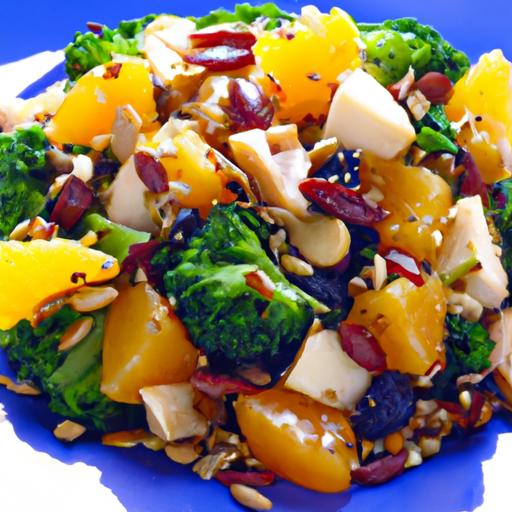

In a world where heart health headlines dominate our screens, the quiet hero often goes unnoticed-fiber. More than just a dietary buzzword, fiber wields an impressive power: the natural ability to lower cholesterol and protect your cardiovascular system. Imagine a nutrient that doesn’t just digest but diligently sweeps out harmful cholesterol, paving the way for healthier arteries and a happier heart. Welcome to the fascinating world of fiber, where nature’s secrets unfold and science meets wellness in a deliciously simple form. Join us as we explore how this unassuming dietary star can transform your health from the inside out.
Fiber’s Power is a fascinating topic that blends nutrition science with everyday cooking, revealing how certain foods do more than just fill your plate-they actively work to lower cholesterol naturally, enhancing heart health. Understanding the delicate balance between soluble fiber and cholesterol reduction equips you with the means to craft meals that are not only delicious but deeply beneficial. This recipe post dives into soluble fiber’s role, highlights rich sources, and seamlessly integrates these powerhouse ingredients into your daily diet with practicality and flavor.
Prep and Cook Time
Prep Time: 15 minutes
Cook Time: 20 minutes
Total Time: 35 minutes
Yield
Serves 4 heart-healthy portions
Difficulty Level
Easy
Ingredients
- 1 cup steel-cut oats, soaked overnight in 2 cups water
- 1 medium apple, diced with skin (rich in pectin)
- 1/2 cup cooked lentils (preferably green or brown)
- 1/4 cup ground flaxseeds (for additional soluble fiber)
- 1/2 tsp cinnamon
- 2 tbsp chia seeds
- 1 tbsp raw honey or maple syrup (optional for sweetness)
- 1 cup unsweetened almond milk or oat milk
- 1/4 cup chopped walnuts (optional garnish for crunch)
- Fresh mint leaves (for garnish)
Instructions
- Prepare the oats: Drain the soaked steel-cut oats and place them in a medium saucepan with the almond milk and water (if you like creamier texture, you can add more milk). Bring to a gentle simmer over medium heat, stirring occasionally.
- Add diced apples and lentils: After about 10 minutes when oats start softening, stir in the diced apples and cooked lentils. Apples add natural sweetness, and lentils boost soluble fiber content. Continue cooking for another 10 minutes, stirring frequently to prevent sticking.
- Incorporate ground flaxseeds and chia seeds: As the oats thicken, sprinkle in the ground flaxseeds and chia seeds. These ingredients swell, enhancing the texture while amplifying the cholesterol-lowering fiber.
- Season and sweeten: Stir in cinnamon and raw honey or maple syrup. This not only infuses warmth but keeps the dish heart-healthy by avoiding refined sugars.
- Final touch and serve: Once the consistency is creamy and the oats are tender, remove from heat. Spoon into four bowls and garnish with chopped walnuts and fresh mint leaves for texture and visual appeal.
- Enjoy warm: This fiber-rich bowl is best savored immediately while warm, unleashing flavors and fiber benefits at their peak.
Chef’s Notes
- Substitutions: Rolled oats can substitute steel-cut oats, but the texture will be softer. For a nut-free version, skip walnuts and flaxseeds or replace with pumpkin seeds.
- Prepping ahead: This dish holds well for 2 days refrigerated. Reheat gently with almond milk to restore creaminess.
- Boost soluble fiber: Feel free to add a spoonful of psyllium husk powder if you want an extra fiber punch. Start with small amounts as it thickens quickly.
- Troubleshooting: If your mixture is too thick, thin with warm plant-based milk to maintain smoothness without diluting flavor.
Serving Suggestions
This heart-healthy fiber bowl shines as a comforting breakfast or a nourishing snack. Pair it with a cup of green tea or freshly brewed coffee for a balanced morning ritual. The natural sweetness of apples and cinnamon creates a cozy aroma, while the crunchy walnuts add texture contrast.
For a fresh twist, top with seasonal berries or a dollop of plain Greek yogurt if you consume dairy, increasing both protein and creaminess.

| Nutrient | Per Serving |
|---|---|
| Calories | 320 |
| Protein | 12 g |
| Carbohydrates | 48 g |
| Fat | 8 g |
For more on managing cholesterol through diet, check out our detailed guide on Healthy Fats and Cholesterol Balance. Also, visit the American Heart Association’s fiber and heart health recommendations for trusted expert advice.
Q&A
Q&A: Fiber’s Power – How It Lowers Cholesterol Naturally
Q1: What is dietary fiber, and why is it so important in our daily diet?
A1: Dietary fiber is the part of plant-based foods that our bodies can’t fully digest. It acts like a natural broom, sweeping through the digestive tract to keep things moving smoothly. Beyond digestion, fiber plays a starring role in heart health by helping to lower cholesterol levels naturally, making it a dietary superhero!
Q2: How exactly does fiber help lower cholesterol?
A2: Soluble fiber, found in foods like oats, beans, and apples, forms a gel-like substance in the gut. This gel binds with cholesterol-rich bile acids and escorts them out of the body before they can be reabsorbed. As a result, the liver pulls more cholesterol from the bloodstream to produce new bile acids, effectively reducing overall cholesterol levels.
Q3: Is there a difference between soluble and insoluble fiber in cholesterol management?
A3: Yes! Soluble fiber is the cholesterol-fighting champion, directly lowering LDL (“bad”) cholesterol. Insoluble fiber, found in whole grains and vegetables, primarily aids digestion and keeps you regular but doesn’t significantly impact cholesterol. Both types, however, are essential for overall health.
Q4: Can increasing fiber intake actually replace cholesterol-lowering medications?
A4: While fiber is a powerful natural tool, it’s best seen as part of a heart-healthy lifestyle. For some, boosting fiber can significantly lower cholesterol and reduce reliance on medications, but others may need a combination of diet, exercise, and prescribed treatments. Always check with a healthcare provider before making changes to your regimen.
Q5: What are some delicious, fiber-rich foods to include for heart health?
A5: Embrace the rainbow of fiber! Oats and barley are fantastic breakfast villains for cholesterol; beans and lentils pack a fiber punch at lunch; fruits like berries, pears, and oranges make sweet, satisfying snacks; and veggies like carrots, broccoli, and sweet potatoes add fiber and flavor to dinner. Add nuts and seeds for an extra crunch and heart boost.
Q6: How much fiber should one aim to consume daily to see cholesterol benefits?
A6: Experts typically recommend 25 to 30 grams of fiber a day, with a good portion coming from soluble sources. Starting with smaller increases and gradually ramping up helps prevent digestive discomfort while allowing your gut to adjust.
Q7: Are there any tips for maximizing fiber’s cholesterol benefits?
A7: Hydration is key! Drinking plenty of water helps fiber do its job efficiently. Combining fiber-rich foods with healthy fats, like those from avocados or olive oil, can also support heart health. Finally, aim for variety to tap into the different fiber types and their unique powers.
Q8: What’s the bottom line on fiber and cholesterol?
A8: Fiber’s power is natural, effective, and delicious. By embracing fiber-rich foods, you harness a gentle force that supports your heart, trims cholesterol, and nourishes your whole body. It’s nature’s way of saying, “Here’s a simple step toward a healthier you.”
Wrapping Up
As we unravel the remarkable ways fiber works its magic on cholesterol, it becomes clear that this humble nutrient is much more than just a digestive aid. Fiber stands as a natural guardian of heart health, quietly lowering cholesterol and paving the way for a vibrant, energized life. By embracing fiber-rich foods, you’re not just adding bulk to your diet-you’re inviting a powerful ally into your wellness journey, one that supports your body’s rhythm and resilience. So next time you reach for that colorful salad or hearty whole grain, remember: you’re feeding your heart with nature’s own cholesterol-lowering champion.