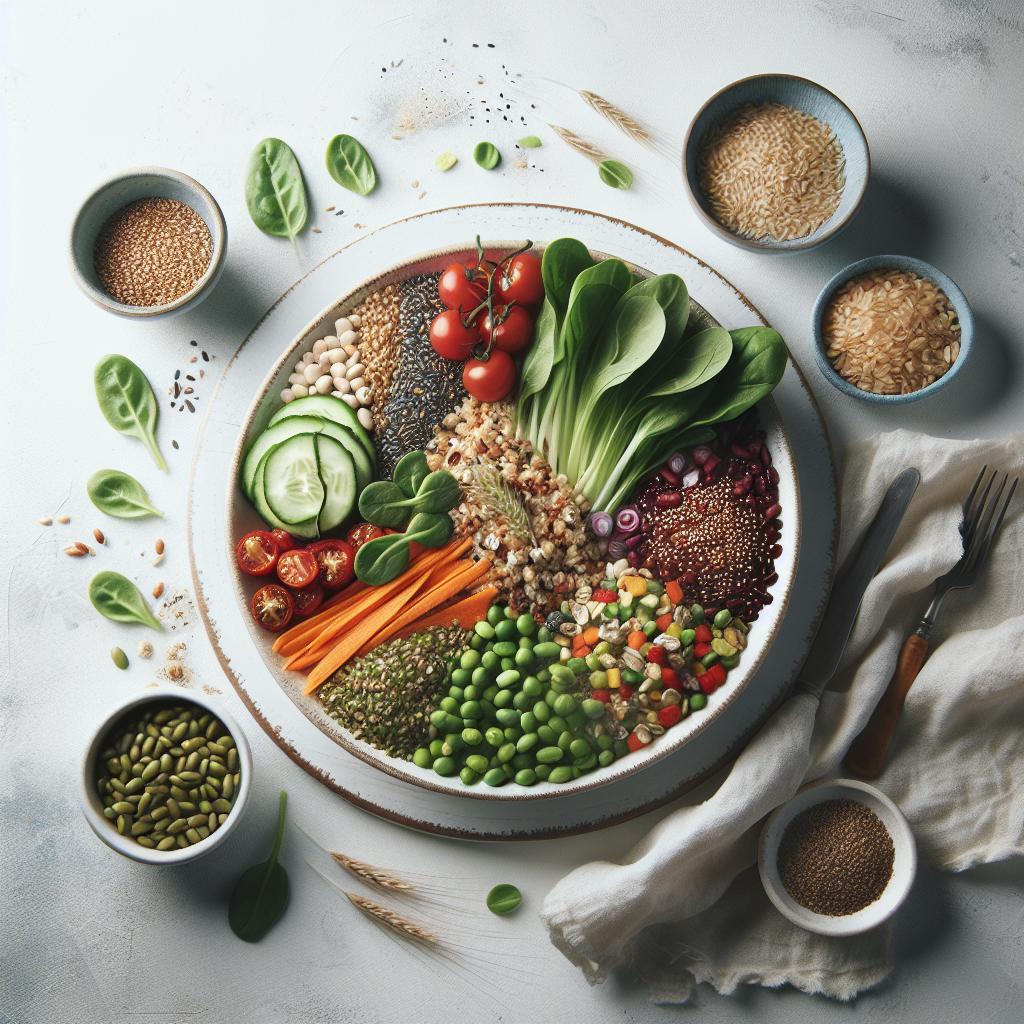

In a world where dietary choices shape not just our health but our lifestyles, the spotlight on gluten-free living has never been brighter. Yet, embracing a gluten-free diet doesn’t mean sacrificing the comforting, satisfying grains that have long nurtured cultures and cuisines across the globe. Welcome to the world of grain gains-a celebration of the top gluten-free grains ready to elevate every plate with their unique flavors, textures, and nutritional power. From the ancient fields of quinoa to the hearty embrace of millet, these grains are proving that gluten-free can be both delicious and diverse. Whether you’re navigating sensitivity or simply exploring new culinary horizons, this guide will help you discover the best gluten-free grains to nourish your body and inspire your kitchen creations.
Grain Gains: Top Gluten-Free Grains for Every Plate invite culinary explorers to dive into the wholesome world of nutrient-rich gluten-free grains that elevate every dish, from vibrant salads to hearty mains. These grains aren’t just staples; they’re nutritional powerhouses packed with fiber, protein, and vital minerals, offering a splendid canvas for creativity in healthful cuisine. Picture the nuttiness of quinoa mingling effortlessly with fresh herbs or the subtle earthiness of teff soaking up robust spices-each grain carries its own personality, perfect for tailoring meals to your dietary needs and taste preferences.
Prep and Cook Time
- Preparation: 10 minutes
- Cooking: 20-40 minutes (depending on the grain)
Yield
Serves 4 as a side or 2 as a main dish base
Difficulty Level
Easy to Medium – adaptable for beginners and seasoned cooks
Ingredients
- 1 cup quinoa, rinsed thoroughly
- 2 cups water or vegetable broth for extra flavor
- 1 tbsp olive oil or avocado oil
- 1/2 tsp sea salt
- 1 cup cooked millet (optional for grain blend)
- Fresh herbs: 2 tbsp chopped parsley or cilantro
- 1 small garlic clove, minced
- Juice of 1 lemon
- 1/4 cup toasted nuts (e.g., almonds, walnuts), for garnish
Instructions
- Rinse the quinoa under cold running water to remove its natural coating (saponin), which can taste bitter. Drain well.
- In a medium saucepan, bring 2 cups of water or vegetable broth to a rolling boil.
- Add the quinoa, olive oil, and salt to the boiling water. Stir gently once, cover tightly with a lid, and reduce heat to low.
- Simmer for 15 minutes, or until water is absorbed and the grain looks fluffy. Remove from heat and let it rest covered for 5 minutes.
- Fluff the quinoa with a fork to separate the grains. Transfer to a large bowl.
- If using cooked millet as a blend, fold it in gently now, creating an enticing texture and flavor harmony.
- In a small pan, warm a splash of oil, then sauté the minced garlic just until fragrant, about 30 seconds. Drizzle this infused oil over the grain mixture.
- Add the fresh herbs and lemon juice, tossing the grains to evenly distribute the bright and fresh notes.
- Garnish with toasted nuts for a satisfying crunch, and serve warm or at room temperature.
Tips for Success
- Choosing your grain: Quinoa provides a complete protein with all nine essential amino acids; millet brings a mild sweetness and is excellent for digestion, while teff offers iron-rich depth perfect for savory stews.
- Substitutions: Swap vegetable broth for water to keep the recipe light or use coconut oil for a tropical twist.
- Make ahead: Cooked grains can be refrigerated for up to 5 days; reheat gently with a splash of water to revive fluffiness.
- Flavor boosters: Add diced roasted vegetables, olives, or a sprinkle of feta cheese for richer layers.
- Texture tip: Toast dry grains in the saucepan over medium heat for 2-3 minutes before cooking to amplify nuttiness.
Serving Suggestions
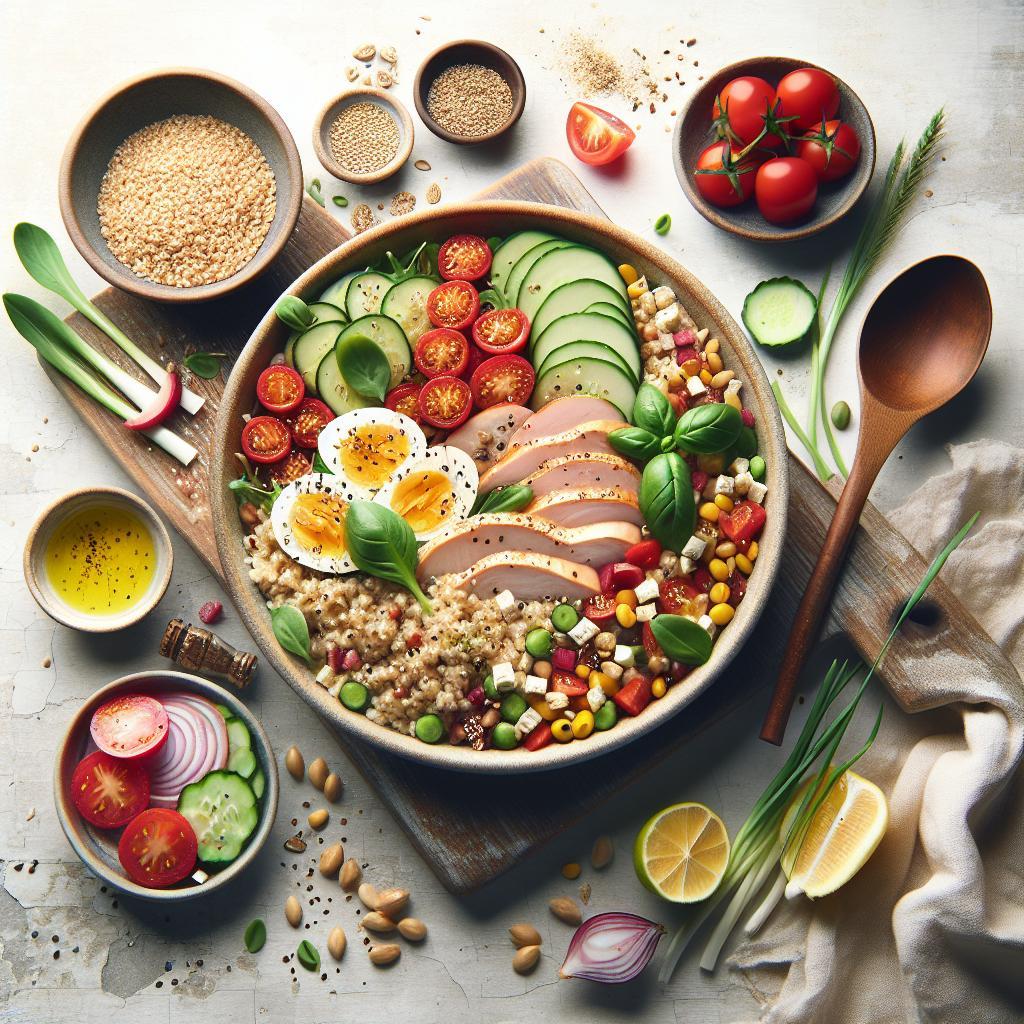
This versatile gluten-free grain medley shines as a base for vibrant vegetable bowls, topped with roasted chickpeas and tahini drizzle for a nourishing lunch. For dinner, pair alongside grilled salmon and steamed greens, garnished with lemon zest and fresh mint to awaken the palate. Sprinkle with pomegranate seeds or edible flowers for a colorful presentation that’s as pleasing to the eyes as to the taste buds.
| Nutrient | Per Serving |
|---|---|
| Calories | 220 |
| Protein | 8g |
| Carbohydrates | 39g |
| Fat | 4g |

For more inspirational recipes using gluten-free grains, explore our guide on gluten-free baking basics. To deepen your understanding about the nutritional benefits of gluten-free grains, visit the Gluten Intolerance Group for expert resources.
Q&A
Q&A: Grain Gains – Top Gluten-Free Grains for Every Plate
Q1: What makes gluten-free grains an essential part of a balanced diet?
A1: Gluten-free grains offer a versatile and nutritious alternative for those with gluten sensitivities or celiac disease, ensuring everyone can enjoy hearty, wholesome meals without digestive distress. Beyond safety, these grains bring vital nutrients like fiber, protein, and essential minerals to the table.
Q2: Which gluten-free grains are rising stars in kitchens worldwide?
A2: Among the top contenders are quinoa, buckwheat, millet, amaranth, and teff. Each boasts unique flavors and textures-from the nutty crunch of buckwheat to the delicate sweetness of teff-illuminating every plate with diverse culinary possibilities.
Q3: How can I incorporate gluten-free grains into everyday cooking?
A3: Gluten-free grains are incredibly adaptable! Cook quinoa as a fluffy base for salads, toast millet for a warm breakfast porridge, or grind amaranth into flour for pancakes. Experimenting with these grains can transform staple dishes into exciting, healthful creations.
Q4: Are gluten-free grains nutritionally comparable to traditional wheat grains?
A4: Absolutely! Many gluten-free grains pack a nutritional punch, often exceeding wheat in protein content, fiber, and essential micronutrients like iron and magnesium. They’re a smart choice for boosting nutrient intake while avoiding gluten.
Q5: What should beginners watch out for when transitioning to gluten-free grains?
A5: Start slow and diversify. Some gluten-free grains have distinct textures or flavors that might take getting used to. Also, be mindful of cross-contamination risks if you have celiac disease-opt for certified gluten-free brands to ensure safety.
Q6: Can gluten-free grains support specialized diets beyond gluten avoidance?
A6: Yes! Many gluten-free grains are also naturally vegan, dairy-free, and low in fat, making them a superstar ingredient in various dietary lifestyles. Their nutrient density helps support overall wellness, energy, and digestive health.
Q7: What’s the ultimate takeaway for those curious about gluten-free grains?
A7: Embrace gluten-free grains as flavorful allies on your culinary journey. They not only safeguard your health but also expand your palate with new tastes, textures, and nutritional benefits-turning every meal into a celebration of grain gains!
Key Takeaways
As the culinary world continues to embrace diversity and dietary mindfulness, these gluten-free grains stand as versatile champions on every plate. From the nutty warmth of quinoa to the hearty embrace of millet, each grain offers a unique blend of nutrition and flavor that can transform ordinary meals into vibrant, healthful experiences. Whether you’re navigating gluten sensitivities or simply exploring new tastes, these grains invite you to create dishes that are as nourishing as they are delicious. So next time you stock your pantry, remember: it’s not just about what you eat, but how these grains can elevate your plate-and your well-being-one grain at a time.