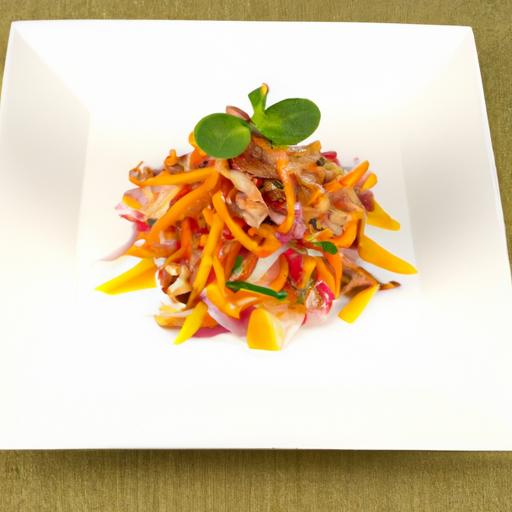

When love is the heartbeat of a marriage, every meal becomes a chance to nurture not just the body, but the bond you share. After a heart attack, your spouse’s path to recovery is as much about healing the heart as it is about transforming daily habits-starting with the kitchen. Heart-healthy cooking isn’t just a recipe for better meals; it’s a powerful gesture of care, a delicious devotion to wellness. In this article, we’ll explore vibrant, nutrient-packed dishes and smart culinary strategies designed to support your spouse’s journey to a stronger, healthier heart-because the best way to say “I love you” might just be on a plate.
Mastering Flavor Without Excess Salt and Sugar Using Heart-Healthy Cooking
Heart-Healthy Cooking is not just about limiting salt and sugar but about embracing vibrant, natural flavors that celebrate wholesome ingredients. After a heart attack, this thoughtful approach to seasoning ensures meals are both nourishing and enjoyable, supporting recovery without compromising taste.
Prep and Cook Time
Preparation Time: 15 minutes
Cook Time: 25 minutes
Total Time: 40 minutes
Yield
Serves 4 – perfect for sharing a wholesome, comforting meal with your loved one.
Difficulty Level
Easy – beginner friendly with simple steps and readily available ingredients.
Ingredients
- 1 cup quinoa, rinsed thoroughly
- 2 cups low-sodium vegetable broth
- 1 tbsp extra virgin olive oil
- 1 medium onion, finely chopped
- 2 cloves garlic, minced
- 1 cup cherry tomatoes, halved
- 1 red bell pepper, diced
- 1 cup baby spinach, chopped
- 1/2 cup cooked chickpeas, drained and rinsed
- 1 tsp smoked paprika
- 1 tsp ground cumin
- Freshly ground black pepper, to taste
- Juice of 1 lemon
- Fresh parsley, finely chopped, for garnish
Instructions
- Prepare the quinoa: In a medium saucepan, bring the vegetable broth to a boil. Add quinoa, reduce heat to low, cover, and simmer until quinoa is tender and liquid is absorbed (about 15 minutes). Remove from heat and fluff with a fork.
- Sauté the aromatics: Heat olive oil in a large skillet over medium heat. Add chopped onion and garlic, sautéing until softened and translucent – about 4 minutes. Stir frequently to avoid burning.
- Build layers of flavor: Add diced red bell pepper and cook for another 5 minutes until slightly tender. Stir in smoked paprika and ground cumin, cooking for an additional 1 minute until fragrant.
- Add veggies and legumes: Mix in cherry tomatoes, baby spinach, and chickpeas. Cook until spinach wilts and tomatoes soften, roughly 3 minutes.
- Combine and finish: Gently fold the cooked quinoa into the skillet, tossing to combine all ingredients well. Season with freshly ground black pepper and lemon juice to brighten flavors. Taste and adjust seasoning as needed, keeping sodium low.
- Serve: Transfer to bowls and garnish with fresh parsley for a pop of color and fresh herbal notes.
Tips for Success
- You can substitute quinoa with brown rice or farro for a heart-healthy whole grain variation.
- For added protein, sprinkle with a handful of toasted almonds or walnuts just before serving.
- If fresh herbs are unavailable, dried parsley or basil can work but add them early to release their flavor.
- This dish is even better when made ahead and reheated gently-flavors meld beautifully over time.
Serving Suggestions
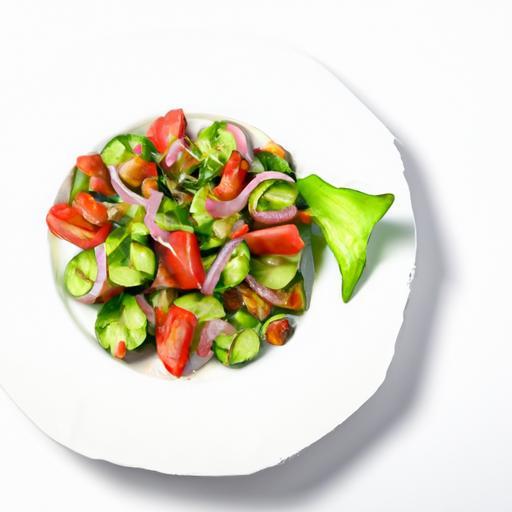
Plate this colorful quinoa and vegetable medley alongside a crisp mixed greens salad lightly dressed with lemon vinaigrette. Serve with a wedge of whole-grain bread or a small bowl of low-fat Greek yogurt to balance the meal. A garnish of freshly cracked black pepper and extra parsley enhances both the aroma and presentation.
| Nutrient | Amount per Serving |
|---|---|
| Calories | 280 kcal |
| Protein | 8 g |
| Carbohydrates | 40 g |
| Fat | 7 g (mostly heart-healthy fats) |
Explore more about creating a heart-healthy kitchen with our Low-Sodium Cooking Tips guide for sustained wellness. For detailed dietary recommendations, visit the American Heart Association’s Nutrition Center.

Q&A
Q&A: Heart-Healthy Cooking – Nourish Your Spouse After a Heart Attack
Q1: Why is heart-healthy cooking crucial after a spouse’s heart attack?
A: After a heart attack, the heart needs gentle care and healing. Nutritious meals rich in whole foods, healthy fats, and low in salt and processed ingredients help reduce cholesterol, lower blood pressure, and strengthen the heart muscle. Cooking heart-healthy not only supports physical recovery but also shows your love through mindful nourishment.
Q2: Which ingredients should I prioritize in heart-healthy meals for my spouse?
A: Think vibrant, fresh, and natural: leafy greens like spinach and kale, omega-3 packed fatty fish such as salmon or mackerel, fiber-rich whole grains like quinoa or oats, and colorful fruits bursting with antioxidants. Also, choose healthy fats like olive oil and nuts, and avoid saturated and trans fats lurking in fried and processed foods.
Q3: How can I make heart-healthy cooking appealing and delicious?
A: Herbs and spices are your magic wand – garlic, turmeric, rosemary, chili, and cinnamon add layers of flavor without salt. Experiment with roasting, steaming, or grilling foods to awaken their natural tastes. Create colorful plates that feel joyful and comforting; remember, healing happens not just in the body but in the soul.
Q4: Are there any cooking techniques to avoid post-heart attack?
A: Absolutely! Frying foods in unhealthy oils and overusing salt or artificial flavor enhancers can sabotage recovery. Skip heavy cream, butter, and processed meats. Instead, embrace gentle cooking methods like baking, steaming, or poaching, which preserve nutrients and keep meals light and wholesome.
Q5: How can cooking together help the recovery process?
A: Sharing kitchen time transforms a routine task into a bonding ritual. Cooking together encourages open dialogue about health, creates emotional support, and builds positive habits. It empowers your spouse to take part in their healing journey, turning every meal into a celebration of life and love.
Q6: Can heart-healthy cooking prevent future heart problems?
A: While no guarantee exists, a consistent heart-friendly diet dramatically reduces risks by managing cholesterol levels, blood pressure, and inflammation. Coupled with exercise and medical care, nourishing meals become a powerful shield, helping your spouse’s heart beat stronger and longer for years to come.
Q7: Where can I find heart-healthy recipes tailored for recovery?
A: Start with reputable sources like the American Heart Association’s website, heart-healthy cookbooks, and nutrition blogs specializing in cardiac care. Consult a registered dietitian for customized meal plans that honor your spouse’s tastes and specific health needs. Remember, nourishing your loved one is a personalized, mindful art.
Nurturing your spouse’s heart through cooking is a beautiful act of love – each wholesome bite a step toward renewed strength and vibrant days ahead.
Insights and Conclusions
In the journey of healing, the kitchen becomes more than just a space for meals-it transforms into a sanctuary of love and care. Embracing heart-healthy cooking not only nourishes your spouse’s body but also fuels their spirit with every thoughtful bite. By selecting wholesome ingredients and savoring vibrant flavors, you’re crafting a delicious roadmap back to strength and vitality. Remember, each meal shared is a step toward resilience, a celebration of life, and a testament to the power of nurturing through food. Together, let’s stir hope, sprinkle kindness, and plate a future brimming with health and happiness.