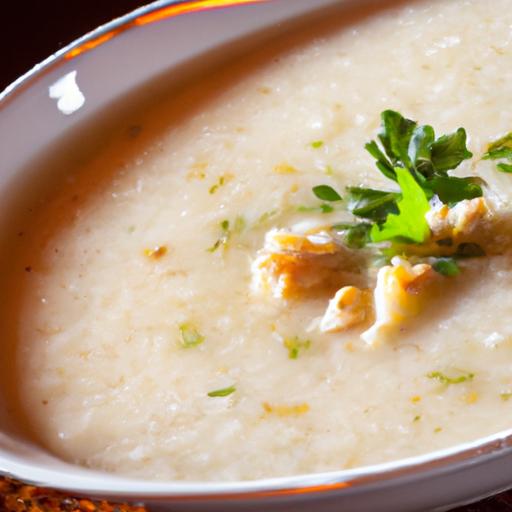
In the heart of Middle Eastern kitchens, where tradition simmers alongside time-honored recipes, a humble dish whispers stories of ancient harvests and communal feasts. Kishk, the cracked wheat soup, is more than just a comforting bowl of warmth-it is a culinary treasure woven from grains, yogurt, and the soulful heritage of generations. As we peel back the layers of this timeless delicacy, “Kishk Unveiled: The Ancient Charm of Cracked Wheat Soup” invites you to journey into a world where every spoonful tastes of history, culture, and the enduring spirit of simplicity transformed into nourishment. Join us as we explore the origins, significance, and flavors that make kishk a treasured gem in the tapestry of Middle Eastern cuisine.
Kishk holds a treasured place in Middle Eastern culinary heritage, cherished for its rich, tangy flavor and ancient roots. This time-honored cracked wheat soup is born from a unique fermentation process that transforms humble ingredients into a nourishing, soul-warming dish. From bustling village kitchens to modern dining tables, the story of kishk is woven through culture, tradition, and healthful eating practices. Let’s dive deep into understanding its origins, the art of fermentation, nutritional perks, and how you can master cooking this comforting soup in your own kitchen.
Prep and Cook Time
- Preparation: 20 minutes
- Fermentation Time: 2-3 days (traditional method)
- Cooking Time: 40 minutes
- Total Time: Approx. 3 days (including fermentation)
Yield
Serves 6 hearty portions
Difficulty Level
Medium – Requires attention to fermentation and simmering techniques
Ingredients
- 1 cup dried cracked wheat (burghul)
- 1/2 cup plain yogurt (preferably natural, unflavored)
- 3 cups boiling water or vegetable broth
- 1/2 cup dried, crushed yogurt powder (kishk powder) or 1 cup sour yogurt mixture
- 3 tablespoons olive oil or clarified butter (samna)
- 1 medium onion, finely chopped
- 4 cloves garlic, minced
- 1 teaspoon dried mint
- Salt to taste
- Black pepper freshly ground, to taste
- Optional garnish: toasted pine nuts, fresh parsley, or a drizzle of olive oil
Instructions
- Prepare the Wheat Base: Rinse the cracked wheat under cold water until clear. In a large bowl, combine the cracked wheat with plain yogurt, cover, and leave at room temperature to ferment for 2-3 days, stirring once daily to encourage even fermentation. This step develops the characteristic tang and depth in kishk.
- Roast Aromatics: In a heavy-bottomed pot, heat olive oil over medium heat. Add the finely chopped onion and sauté until golden brown, about 7 minutes. Add minced garlic and sauté an additional 2 minutes, stirring frequently to release a rich aroma.
- Combine and Cook: Add the fermented wheat-yogurt mixture to the pot, stirring well to combine with the sautéed onions and garlic. Slowly pour in 3 cups of boiling water or vegetable broth, mixing continuously to avoid lumps.
- Simmer Gently: Reduce heat to low and let the soup simmer gently. Stir occasionally for about 40 minutes or until the mixture thickens to a creamy consistency. Add dried kishk powder at this stage if using, ensuring it dissolves completely.
- Season and Enrich: Stir in dried mint, salt, and freshly ground black pepper to taste. Adjust seasoning carefully, balancing the tanginess with a touch of saltiness. For enhanced richness, drizzle a small amount of olive oil or butter before serving.
- Final Touches: Remove from heat and allow the soup to rest for 5 minutes. This helps the flavors meld beautifully, delivering a velvety, tangy bite with each spoonful.
Tips for Success
- Fermentation nuances: Use a glass or ceramic bowl for fermenting – avoid metal containers that can react with the acids. Keep the fermented mixture covered but ventilated to allow airflow while preventing contaminants.
- Alternative to kishk powder: If dried kishk powder is unavailable, substitute with an equal amount of plain yogurt mixed with a squeeze of lemon juice for acidity.
- Adjust thickness: For a thinner soup, add extra broth; for a heartier, stew-like consistency, reduce the liquid slightly during simmering.
- Make ahead: Kishk soup can be refrigerated for up to 3 days and reheated gently on the stovetop. Stir well to reincorporate any separation.
- Boost flavor: Garnish with toasted pine nuts or freshly chopped parsley for added texture and freshness that brightens the dish.
Serving Suggestions
This nourishing soup shines when served steaming hot in rustic bowls, making it perfect for cooler days or as a comforting starter. For a traditional touch, accompany with warm, lightly toasted flatbread or pita. A dollop of creamy labneh or a sprinkle of sumac adds complexity and color. For a visual feast, drizzle extra virgin olive oil over the surface and scatter fresh herbs or toasted nuts to engage both eye and palate.
| Nutritional Info (per serving) | Amount |
|---|---|
| Calories | 180 kcal |
| Protein | 7 g |
| Carbohydrates | 30 g |
| Fat | 5 g |

Discover how fermentation creates the rich tang and texture that define kishk – a culinary link that connects generations to the wholesome bounty of cracked wheat and yogurt. For more inspired Middle Eastern recipes, visit our Middle Eastern Kitchen collection or explore the science behind fermentation at Science Daily’s fermentation articles.
Q&A
Q&A: Kishk Unveiled – The Ancient Charm of Cracked Wheat Soup
Q1: What exactly is Kishk?
A1: Kishk is an ancient culinary treasure-a fermented blend of cracked wheat and yogurt or buttermilk, traditionally sun-dried and ground into a coarse powder. When cooked, it transforms into a hearty, comforting soup that carries with it centuries of history and cultural heritage.
Q2: Where does Kishk originate from?
A2: Kishk traces its roots to the Middle East and the Levant region, with variations found across Lebanon, Syria, Palestine, and Jordan. It’s a dish that embodies the resourcefulness of ancient communities, harnessing the power of fermentation and preservation before refrigeration existed.
Q3: What makes Kishk soup so unique?
A3: The magic of Kishk lies in its tangy, nutty flavor profile, created through natural fermentation. This not only gives the soup its distinctive taste but also enhances its nutritional value, providing beneficial probiotics alongside wholesome cracked wheat.
Q4: How is Kishk traditionally prepared?
A4: Traditionally, Kishk starts with mixing cracked wheat and fermented yogurt, then drying this mixture in the sun until it hardens into a powdery form. To prepare the soup, this powder is rehydrated and simmered with water or broth, often enriched with garlic, onions, herbs, and sometimes tender meat or chickpeas.
Q5: Why is Kishk considered a ‘superfood’ in ancient times?
A5: Long before superfoods were trendy, Kishk packed a punch with its fermented grains and dairy, supplying vital proteins, fiber, vitamins, and probiotics. It was an all-in-one nourishment source that sustained communities through harsh seasons.
Q6: Can Kishk be adapted for modern diets?
A6: Absolutely! While traditional Kishk includes yogurt, vegan and gluten-free adaptations are emerging, using plant-based fermented milks and alternative grains. Its wholesome essence and comforting texture make it a perfect candidate for contemporary health-conscious kitchens.
Q7: What cultural significance does Kishk hold today?
A7: Kishk is more than food-it’s a symbol of resilience, tradition, and communal heritage. Many families pass down the recipe through generations, and festivals celebrating this humble soup continue to honor its place in regional identity.
Q8: Where can one try authentic Kishk soup?
A8: Authentic Kishk soup can best be savored in traditional eateries across the Levant, or in Middle Eastern communities worldwide. For the adventurous, many online culinary stores now offer packaged Kishk powder, inviting you to recreate this ancient charm at home.
Q9: How does Kishk compare to other fermented foods?
A9: Like kimchi, miso, or kefir, Kishk carries the hallmark of fermentation-complex flavors and probiotic benefits. However, its grain-based composition makes it uniquely hearty and filling, blending the ancient wisdom of fermentation with the sustenance of cracked wheat.
Q10: Why should Kishk be revived in contemporary cuisine?
A10: In a world seeking both flavor and nutrition, Kishk offers a delicious bridge to the past-a soup that’s easy to prepare, rich in history, and packed with benefits. Rediscovering Kishk is a flavorful way to honor tradition while nourishing the body and soul.
Insights and Conclusions
As the aromatic steam of kishk rises from your bowl, you’re not just savoring a beloved Middle Eastern comfort food-you’re partaking in a culinary journey that stretches back centuries. Kishk embodies the resourcefulness and warmth of ancient kitchens, where simple ingredients like cracked wheat and fermented yogurt transformed into a hearty soup that nourished both body and soul. By embracing kishk today, we celebrate a timeless tradition that connects us to history, culture, and the enduring power of humble flavors. So next time you enjoy that tangy, creamy sip, remember: you’re tasting more than a meal-you’re savoring a story steeped in ancient charm.