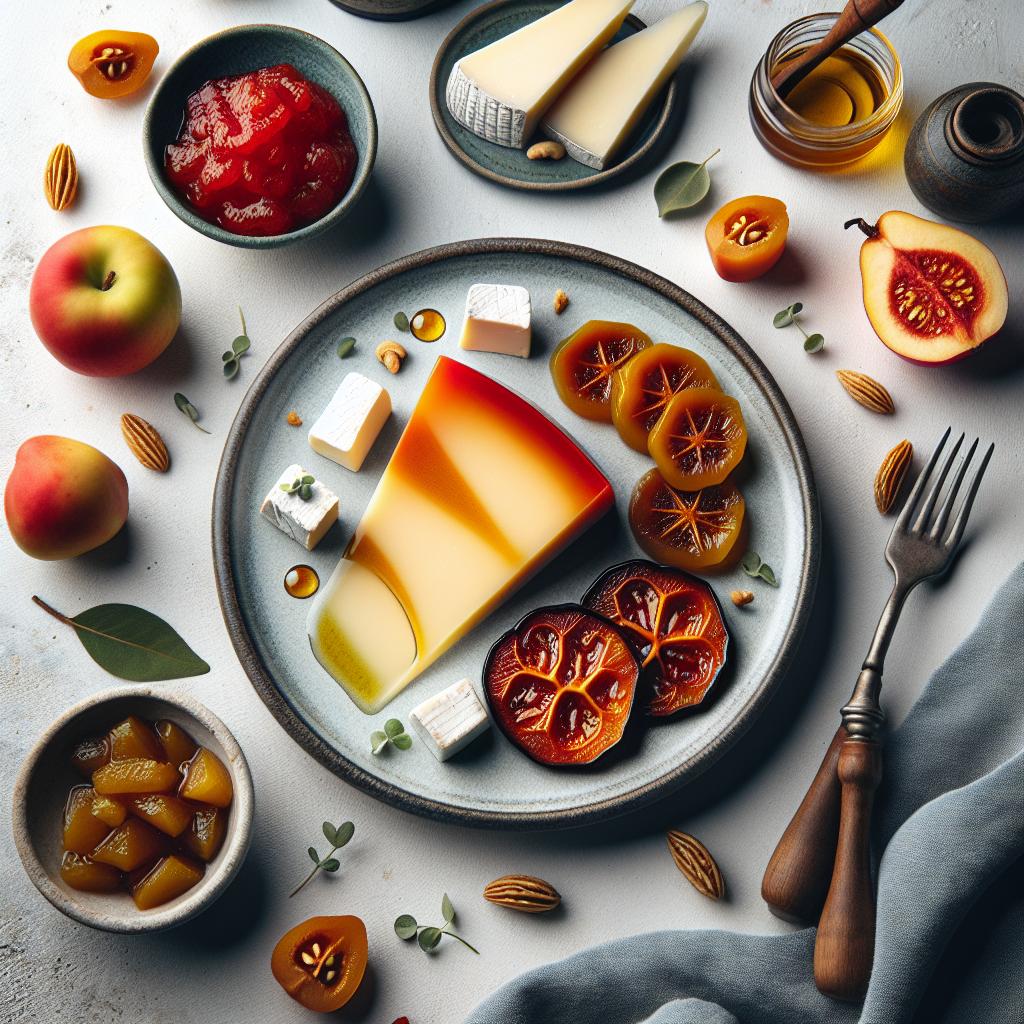

In the vibrant tapestry of Spanish cuisine, few pairings evoke as much admiration and delight as the harmonious union of Manchego cheese and membrillo-quince paste transformed into a sweet, silky jewel. This classic duo, steeped in centuries of tradition, offers a perfect balance of flavors and textures that dance on the palate: the nutty, tangy richness of Manchego intertwining effortlessly with the luscious, subtly floral sweetness of membrillo. Beyond being a beloved tapas staple, this combination tells a story of cultural heritage, regional pride, and culinary artistry. Journey with us as we unveil the origins, flavors, and enduring charm of Manchego and membrillo-the quintessential taste of Spain’s timeless gastronomy.
Manchego & Membrillo: A Classic Spanish Flavor Duo Unveiled
Manchego & Membrillo: A Classic Spanish Flavor Duo Unveiled is much more than just a simple pairing-it’s a culinary story steeped in rich history and vibrant tradition. Originating from the rolling plains of La Mancha, Manchego cheese, made from the milk of the indigenous Manchega sheep, embodies a heritage of centuries-old artisanal craftsmanship. When complemented by the luscious, sweetly tart membrillo (quince paste), this duo creates a texture and flavor harmony that dances beautifully on the palate, inviting food lovers to explore each bite’s complexity.
Prep and Cook Time
- Prep Time: 10 minutes
- Cook Time: 0 minutes (ready to serve)
Yield
- Serves 4 as an appetizer or light snack
Difficulty Level
- Easy
Ingredients
- 200g Manchego cheese, aged 3 months, cut into thin wedges
- 150g membrillo (quince paste), sliced into small squares
- 1 fresh baguette, sliced diagonally into ½-inch pieces
- Extra virgin olive oil, for drizzling
- Fresh rosemary sprigs, for garnish
- Cracked black pepper, to taste
- Optional: toasted almonds or Marcona almonds, lightly salted
Instructions
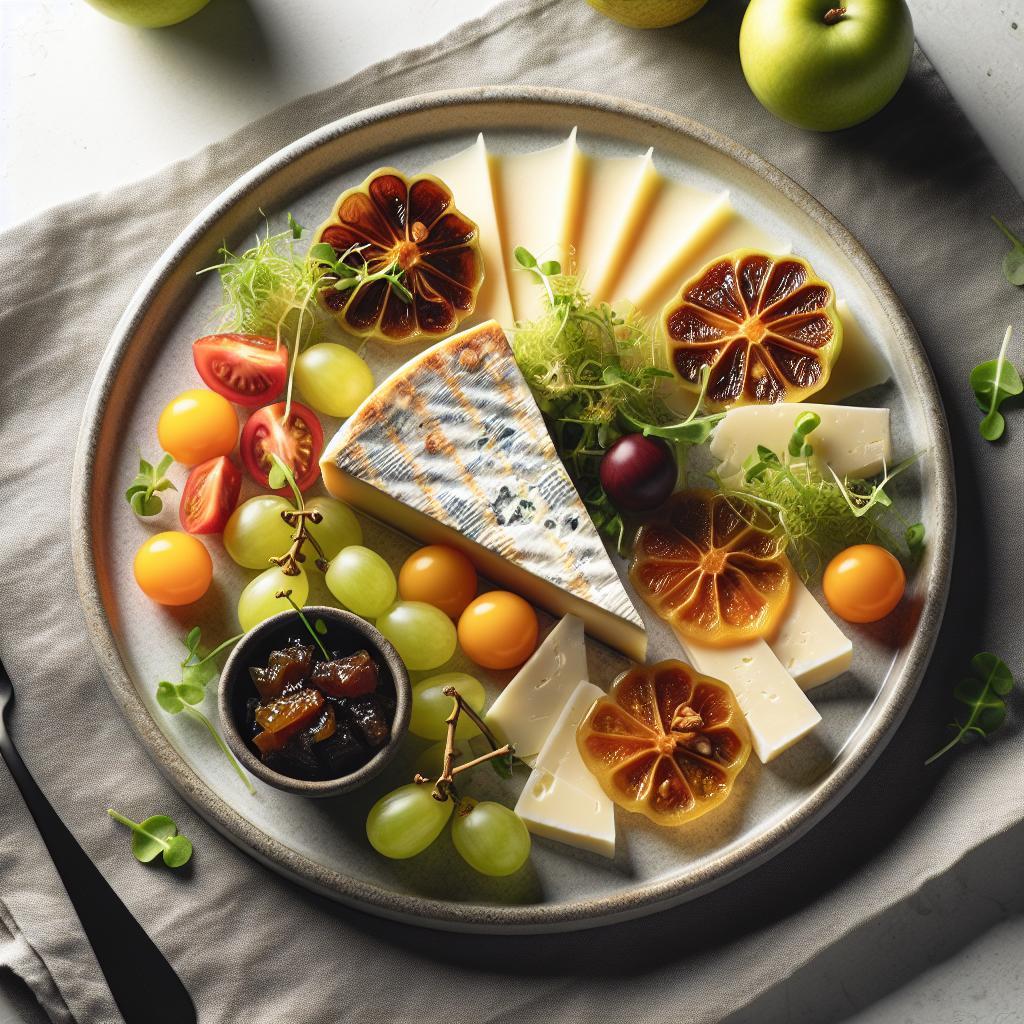
- Prepare the cheese and membrillo: Arrange the Manchego cheese wedges and membrillo slices alternately on a wooden or ceramic serving platter for an inviting visual contrast.
- Slice the baguette: Cut the baguette diagonally to create elongated slices. Optionally, toast these lightly in a preheated oven at 180°C (350°F) for 5-7 minutes until golden and crisp.
- Assemble your tapas: On each slice of baguette, layer a piece of Manchego followed by a square of membrillo. This combination highlights the creamy firmness of the cheese against the sweet, jelly-like quince paste.
- Add finishing touches: Lightly drizzle each prepared slice with extra virgin olive oil and sprinkle freshly cracked black pepper for a subtle spice lift.
- Garnish and serve: Decorate the platter with fresh rosemary sprigs and a handful of toasted almonds to introduce earthiness and crunch, rounding out our classic Spanish flavor experience.
Chef’s Notes and Tips for Success
- Cheese Variations: While Manchego is the star, feel free to experiment with younger or older varieties for sharper or milder profiles, respectively.
- Membrillo Substitute: If quince paste isn’t available, try fig or apple butter as a sweet, fruity alternative, though true aficionados will treasure authenticity.
- Make-Ahead Tip: Slice Manchego and membrillo ahead of time, storing separately in airtight containers to maintain freshness and texture.
- Presentation Advice: Use a rustic wooden board to emphasize the traditional Spanish roots and enhance the sensory appeal.
- Pairing Suggestion: Complement this duo with a glass of Spanish Tempranillo or a chilled dry sherry to elevate the tasting experience.
Serving Suggestions to Elevate Your Manchego and Membrillo Experience
For a stunning presentation, serve your tapas platter with a selection of Spanish olives, thinly sliced serrano ham, and piquillo peppers. Incorporate colorful elements like deep green rosemary and ruby red pomegranate seeds sprinkled lightly over the edges to add a festive flair. A drizzle of honey over the cheese can accentuate the rich creaminess, while a dash of smoked paprika on the membrillo introduces a subtle smoky undertone. This ensemble transforms your simple bite into a celebration of textures and flavors while maintaining the elegant balance that makes Manchego & Membrillo treasured worldwide.
Selecting Quality Ingredients and Storing Tips for Lasting Freshness
When choosing Manchego cheese, look for a firm texture with a buttery aroma and a natural rind stamped with the “denominación de origen” seal indicating authentic Spanish origin. Opt for aged cheeses aged between 3 to 12 months depending on your flavor preference. For membrillo, a deep amber color and firm texture ensure it will slice cleanly and offer that perfect sweet-tart bite. Store Manchego refrigerated, wrapped tightly in wax paper followed by plastic wrap to maintain humidity without stifling the cheese. Membrillo should be kept in an airtight container in the fridge and consumed within a few weeks for optimal freshness.
| Nutrition Fact | Per Serving |
|---|---|
| Calories | 220 kcal |
| Protein | 12 g |
| Carbohydrates | 15 g |
| Fat | 14 g |
Explore more recipes featuring Spanish cheeses in our Spanish Cheese Guide. For detailed insights on Manchego’s origins, visit the official Manchego Cheese Board.

Q&A
Q&A: Manchego & Membrillo – A Classic Spanish Flavor Duo Unveiled
Q1: What makes Manchego and Membrillo such a beloved pairing in Spanish cuisine?
A1: Manchego cheese, with its nutty, slightly tangy profile, pairs beautifully with the sweet, floral richness of membrillo (quince paste). This contrast of savory and sweet creates a harmonious bite that excites the palate – it’s a marriage of textures and tastes rooted deep in Spanish tradition.
Q2: Can you describe the origins of Manchego cheese?
A2: Manchego hails from the La Mancha region of Spain, made exclusively from the milk of Manchega sheep. It’s an ancient cheese, with origins tracing back thousands of years to the time of the Romans, and its firm, buttery texture along with a pungent aroma reflects the rugged landscapes where the sheep graze.
Q3: What exactly is membrillo, and how is it prepared?
A3: Membrillo is a sweet preserve made from quince fruit, which is firm and tart when raw. The quince is cooked down with sugar to form a dense, amber-hued paste. This jelly-like treat is not too sticky, offering a subtle sweetness that complements savory flavors without overpowering them.
Q4: Why does the texture contrast play such a big role in this duo’s appeal?
A4: Texture is key! Manchego is firm yet creamy enough to melt in your mouth, while membrillo is dense and slightly gelatinous. Together, they create a delightful interplay – the cheese’s crumbly richness entwined with the smooth, sweet paste forms an irresistible mouthfeel.
Q5: Beyond the classic bite, how else can one enjoy Manchego and Membrillo?
A5: The duo is wonderfully versatile: try them sliced on crusty bread for a quick tapa, tucked into sandwiches, paired with nuts and olives on a charcuterie board, or even melted atop grilled dishes for a sweet-savory twist. They bring a touch of Spain to any table.
Q6: Is there a particular time or occasion for enjoying this pairing?
A6: While enjoyable anytime, Manchego and membrillo are often savored as an appetizer or late-night snack during Spanish social gatherings. Their communal nature invites sharing, conversation, and a celebration of simple yet refined flavors – perfect for leisurely moments.
Q7: How can someone outside Spain find authentic Manchego and membrillo?
A7: Authentic Manchego cheese can often be found at specialty cheese shops or well-stocked grocery stores with an international section. Membrillo jars or blocks are also available in gourmet markets or online. Look for labels indicating Spanish origin to ensure authenticity.
Q8: What cultural significance does this pairing hold in Spain?
A8: Manchego and membrillo go beyond just food – they’re an emblem of Spanish heritage. This duo captures the essence of La Mancha’s agricultural prowess and centuries-old culinary artistry, representing a proud tradition that celebrates terroir and craftsmanship.
Q9: Can this pairing be adapted for different dietary preferences?
A9: Absolutely! For vegetarians, genuine Manchego is a great choice as it typically uses animal rennet, but there are vegetarian-friendly sheep’s milk cheeses available as well. Membrillo is plant-based and naturally gluten-free, making this a mostly accessible duo for various diets.
Q10: What’s a fun way to introduce friends to Manchego and Membrillo?
A10: Host a Spanish-themed tasting night! Present slices of Manchego and squares of membrillo alongside Spanish wine or sherry. Encourage friends to experiment – try adding olives, almonds, or a drizzle of honey, and let everyone discover their favorite flavor combinations. It’s a delicious way to savor Spain’s culinary soul.
Wrapping Up
In the rich tapestry of Spanish cuisine, Manchego cheese and membrillo stand out as a timeless pairing that delights the senses and tells a story of tradition, craftsmanship, and regional pride. As we’ve uncovered, this classic duo is far more than just a snack-it’s a harmonious blend of textures and flavors that captures the very essence of Spain’s culinary heritage. Whether savored on a rustic wooden board or woven into modern dishes, Manchego and membrillo remain a celebration of balance, simplicity, and cultural identity. So next time you seek a taste of Spain, let this perfect pairing transport you to sun-drenched vineyards and ancient kitchens, where every bite is a delicious journey through history.