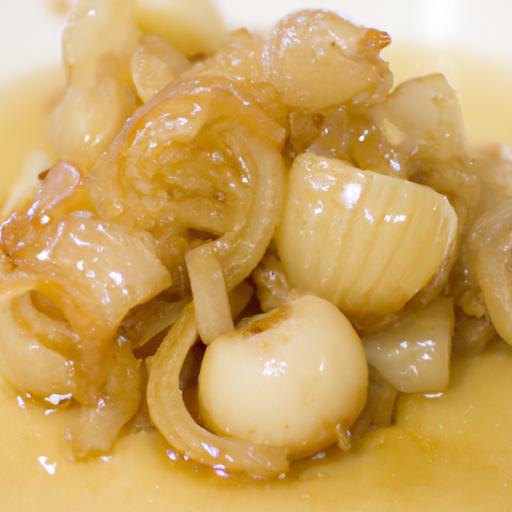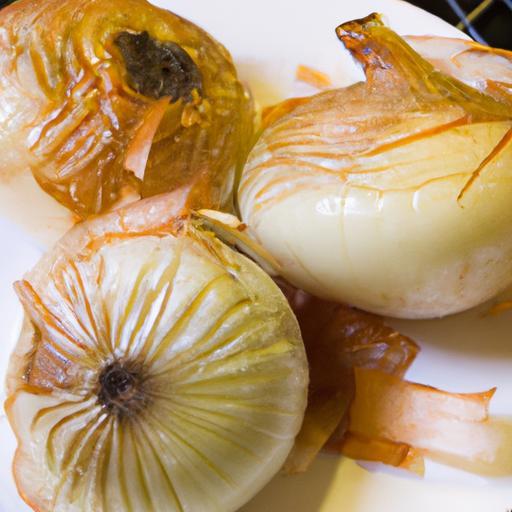

There’s something undeniably magical about caramelized onions-their deep amber hue, rich aroma, and sweet, buttery flavor that transforms everyday dishes into culinary masterpieces. Yet, many shy away from making them at home, daunted by the slow, delicate process that seems more art than science. Fear not! In this guide, we’ll unravel the secrets behind mastering sweetness in your kitchen, turning humble onions into golden jewels with minimal effort. Whether you’re a seasoned cook or a curious beginner, get ready to elevate your meals with the simple, soulful magic of easy caramelized onions.
Mastering Sweetness: the art of transforming simple onions into luscious caramelized jewels is a culinary skill worth savoring. Rooted in traditional European kitchens yet beloved worldwide, caramelized onions offer a rich depth of flavor that can elevate any dish. Their luscious sweetness and silky texture come from patience and technique, turning humble bulbs into the star ingredient of your meals. Whether you’re layering them on a gourmet burger or folding them into a savory tart, choosing the right onion and perfecting the caramelization process ensures your results are irresistibly sweet and tender.
Prep and Cook Time
- Preparation: 10 minutes
- Cooking: 45 to 60 minutes
Yield
Approximately 3 cups of caramelized onions (serves 4 as a topping or side)
Difficulty Level
Easy to Medium – requires attention but minimal equipment
Ingredients
- 4 large yellow onions, thinly sliced
- 3 tablespoons unsalted butter
- 2 tablespoons olive oil
- 1 teaspoon kosher salt
- 1 teaspoon granulated sugar (optional, for extra sweetness)
- 2 tablespoons balsamic vinegar or red wine (optional, adds depth)
- Freshly ground black pepper, to taste
Instructions
- Select your onions: Start with yellow onions for their balance of sweetness and sharpness. Their natural sugars caramelize beautifully. Avoid white onions-they tend to lack the depth of flavor needed.
- Prepare your pan: Use a wide, heavy-bottomed skillet or cast-iron pan for even heat distribution. Melt butter and olive oil together over medium-low heat to create a luscious flavor base.
- Add onions and salt: Toss in the sliced onions with kosher salt. Salt helps draw moisture out, speeding caramelization. Stir to coat evenly.
- Cook low and slow: Maintain a gentle simmer between low and medium-low heat. Stir every 5-7 minutes to prevent sticking and ensure even browning. This process takes 45-60 minutes; patience is key.
- Boost sweetness if desired: At the 20-minute mark, sprinkle in sugar to enhance natural sugars, stirring well. This is optional but highly recommended for that rich, deep sweetness.
- Deglaze and deepen flavor: When onions are golden and soft, add balsamic vinegar or red wine. This step lifts the caramelized fond from the pan, infusing complex tang and richness.
- Season and finish: Add freshly cracked black pepper to taste. Remove from heat and allow onions to cool slightly before serving or storing.
Chef’s Notes: Tips for Success
- Onion types matter: For maximum sweetness, opt for yellow onions or Vidalia. Red onions will caramelize but with a slightly different, spicier flavor profile.
- Patience is your ally: Resist turning up the heat to rush the process-it can burn the onions and create bitterness.
- Mix fats for flavor balance: Butter adds richness, while olive oil raises the smoke point. The combination ensures flavor without scorching.
- Make ahead: Caramelized onions keep well refrigerated up to a week or freeze for up to three months, making meal prep a breeze.
- Customize sweetness: Swap sugar for maple syrup or honey in the last stages for a different nuance.
Serving Suggestions
Caramelized onions are incredibly versatile. Spread them over a warm, toasted brioche bun alongside melted cheese and crispy bacon for a gourmet burger experience. Stir them into creamy risottos or polenta to add a deep savoriness. Layer them inside flaky puff pastry with goat cheese and herbs for an irresistible tart. Garnish savory soups-like French onion soup or roasted vegetable blends-with a spoonful for both texture and sweetness. A simple sprinkle of fresh thyme or chive flowers accentuates the natural sugar-kissed allure beautifully.

| Nutrient | Per ½ cup |
|---|---|
| Calories | 115 |
| Protein | 1g |
| Carbohydrates | 14g |
| Fat | 7g |
For more techniques on enhancing vegetable sweetness, check out our detailed guide on Roasting Vegetables for Maximum Flavor. For the science behind caramelization and the Maillard reaction, explore this article on Serious Eats.
Q&A
Q&A: Mastering Sweetness – Your Guide to Easy Caramelized Onions
Q1: What exactly are caramelized onions, and why do they taste so sweet?
A1: Caramelized onions are onions slowly cooked until their natural sugars break down and transform into a rich, golden-brown sweetness. This magical process, called the Maillard reaction, turns humble onions into sweet, savory gems that add depth to any dish.
Q2: Can I use any type of onion to caramelize, or are some better than others?
A2: While yellow onions are the classic choice for their balance of sweetness and sharpness, red onions and sweet onions work beautifully too. Each variety adds its unique twist-from deep color accents to extra fruity notes.
Q3: How long does it usually take to caramelize onions properly?
A3: Patience is key! Perfect caramelization takes anywhere from 30 to 45 minutes over low to medium heat. Rushing the process can lead to burnt edges and bitter flavors instead of that luscious, sweet finish.
Q4: What’s the best fat to use when caramelizing onions? Butter, oil, or something else?
A4: Butter lends a creamy richness and slight nuttiness, while olive oil adds a subtle fruity undertone. You can also blend the two for the best of both worlds. Just avoid high smoke point oils that won’t complement the onion’s flavors as well.
Q5: Do I need to add sugar or any extra ingredients to get that sweet caramelized flavor?
A5: Nope! Pure caramelized onions get all their sweetness naturally from the slow cooking process. However, a pinch of salt early on helps draw out moisture and enhances the onions’ innate flavor. Some chefs like a splash of balsamic vinegar or a sprinkle of sugar for an extra pop, but it’s entirely optional.
Q6: How can I tell when my onions are perfectly caramelized?
A6: Look for a deep golden-brown color and a jammy, soft texture. The aroma should be sweet, almost like roasted nuts or warm honey. Taste a small piece-it should have zero bitterness and a melt-in-your-mouth sweetness.
Q7: What are some creative ways to use caramelized onions in everyday cooking?
A7: Caramelized onions are kitchen royalty. Toss them into burgers, sprinkle over pizzas, swirl into mashed potatoes, fold into quiches, or mix into grain bowls. They’re also divine with sharp cheeses, roasted veggies, or as a base for savory sauces.
Q8: Can I make caramelized onions ahead and store them? How should I keep them fresh?
A8: Absolutely! Caramelized onions can be stored in an airtight container in the fridge for up to a week. They also freeze beautifully-just thaw gently before reheating to enjoy their full sweetness.
Q9: Any pro tips to avoid common pitfalls like burning or uneven cooking?
A9: Stir often but not constantly, keep heat at a patient medium-low, and use a wide, heavy-bottomed pan for even heat distribution. If the onions dry out, add a splash of water or broth to keep them soft and prevent scorching.
Q10: How will mastering caramelized onions change my cooking game?
A10: Once you unlock the secret to perfect caramelized onions, you’ll elevate simple meals into unforgettable flavor experiences. It’s like weaving a golden thread of sweetness through your dishes, adding warmth, complexity, and that irresistible “chef’s touch.”
Ready to transform ordinary onions into liquid gold? With this guide, you’re well on your way to culinary sweetness mastery!
Key Takeaways
As you embark on your next culinary adventure, remember that mastering caramelized onions is less about rushing and more about embracing patience and passion. These golden strands of sweetness are not just a topping-they are a transformative element that can elevate any dish from ordinary to extraordinary. With this guide in hand, you’re now equipped to coax out those rich, luscious flavors easily and confidently. So, light your stove, stir slowly, and let the magic of caramelization turn humble onions into your kitchen’s sweetest secret weapon. Happy cooking!