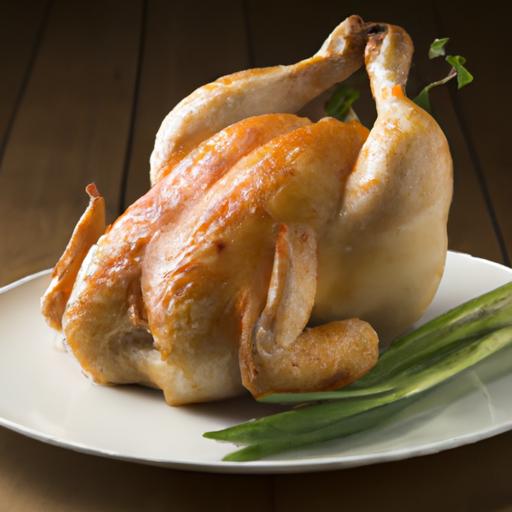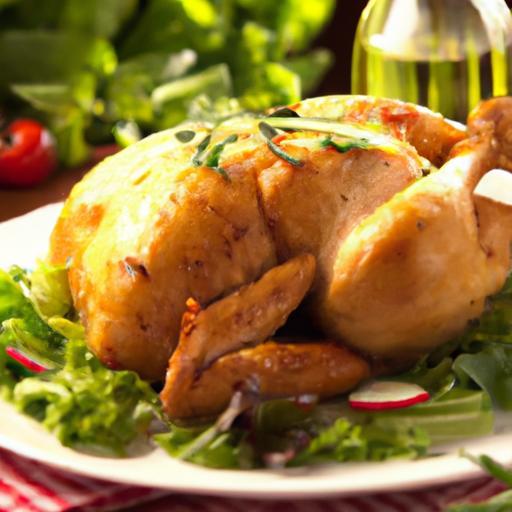

There’s something undeniably magical about a perfectly roasted chicken-a golden, crispy-skinned bird with tender, juicy meat that effortlessly becomes the centerpiece of any meal. But achieving that elusive balance of crispiness and succulence can often feel like an art form, one clouded by guesswork and kitchen mishaps. What if you could transform this culinary challenge into a reliable ritual? In this article, we’ll unlock the secrets to mastering the perfect roast chicken every time, turning your oven into a stage where flavor, texture, and technique come together in delicious harmony. Whether you’re a seasoned home cook or a curious beginner, prepare to elevate your roast chicken game from ordinary to extraordinary with tips, tricks, and expert insights that guarantee mouthwatering success.
Unlocking the Secrets to Crispy, Flavor-Packed Roast Chicken
Mastering the art of the perfect roast chicken every time starts with understanding the science behind crisping that golden skin and locking in juicy, tender meat. This classic dish, loved across cultures, owes its charm to precise techniques and thoughtfully chosen seasonings that elevate every bite.
Prep and Cook Time
- Preparation: 20 minutes
- Marinating (optional): 1-4 hours
- Cooking: 1 hour 15 minutes (depending on bird size)
Yield
- Serves 4-6 people
Difficulty Level
- Medium
Ingredients
- 1 whole chicken (3.5-4 lbs), fresh and well-trimmed
- 2 tbsp olive oil or softened butter
- 1 tbsp kosher salt
- 1 tsp freshly ground black pepper
- 1 tsp smoked paprika for subtle depth
- 4 garlic cloves, minced
- 2 tbsp fresh rosemary, finely chopped
- 1 tbsp fresh thyme leaves
- 1 lemon, halved
- Optional Marinade: 1/4 cup yogurt, 1 tbsp lemon juice, 1 tsp cumin, 1 tsp turmeric
Instructions
- Pat the chicken dry with paper towels to ensure optimal skin crispiness. Moisture is the enemy here.
- If using marinade, combine yogurt, lemon juice, cumin, and turmeric in a bowl. Coat the chicken evenly, cover, and refrigerate for 1-4 hours for aromatic tenderness.
- Preheat your oven to 425°F (220°C). Allow the chicken to rest at room temperature for 20 minutes before cooking-this ensures even heat penetration.
- Rub olive oil or softened butter all over the chicken, paying special attention to the skin and cavity.
- Mix salt, pepper, smoked paprika, garlic, rosemary, and thyme. Sprinkle or rub this seasoning blend evenly over the chicken for a flavor-packed crust.
- Truss your bird carefully by tucking the wing tips under and tying the legs together with kitchen twine. This step promotes uniform cooking and an attractive shape.
- Slice the lemon halves and stuff them inside the cavity to infuse a subtle citrus aroma.
- Place the chicken breast-side up on a roasting rack inside a shallow pan. This elevation allows hot air to circulate around the bird, crucial for crispy skin.
- Roast for about 1 hour 15 minutes. Start checking with a meat thermometer inserted into the thickest part of the thigh once you hit the 1-hour mark.
- Remove the chicken once the internal temperature reaches 165°F (74°C). Tent loosely with foil and rest for 15 minutes to allow juices to redistribute. This guarantees juicy, tender meat beneath that irresistible crispy exterior.
Chef’s Notes for Perfection
- Dry Skin Secret: For extra crispiness, pat chicken skin with coarse salt and leave it uncovered in the fridge overnight before seasoning.
- Flavor Variations: Swap rosemary and thyme for sage or tarragon to customize your roast chicken flavor profile.
- Thermometer Tips: Insert away from bone for accurate temperature readings; bone can give false highs.
- Make-Ahead: You can prepare and marinate your bird the night before and bring to room temperature before roasting for convenience.
- Alternative Cooking Methods: For smoky notes, try rotisserie roasting or spatchcock the chicken to speed up cooking time and expose more skin surface area.
Serving Suggestions
Carve your perfectly roasted chicken against the grain and serve alongside crisp roasted vegetables or a vibrant herb salad. Garnish with fresh rosemary sprigs and lemon wedges to enhance visual appeal and freshness. For an indulgent touch, drizzle with pan jus made from drippings reduced with a splash of white wine and butter-pure magic on the plate.
| Nutritional Information (per serving) | Calories | Protein (g) | Carbs (g) | Fat (g) |
|---|---|---|---|---|
| Roast Chicken | 350 | 45 | 0 | 15 |
Discover more roasting techniques and for detailed food safety info visit USDA Food Safety and Inspection Service.

Q&A
Q: What is the secret to mastering the perfect roast chicken every time?
A: The secret lies in a harmonious blend of preparation, seasoning, temperature control, and timing. Brining or salting the chicken beforehand enhances flavor and juiciness, while roasting at the right heat ensures a crispy skin and tender meat.
Q: Should I brine my chicken before roasting, and if so, how?
A: Absolutely! Brining is a game-changer. Submerge your chicken in a saltwater solution-about ¼ cup salt per quart of water-for 2 to 12 hours. This process helps the meat retain moisture and develop a deeper flavor profile during roasting.
Q: What type of seasoning works best for roast chicken?
A: Keep it simple yet effective: a mixture of salt, pepper, garlic, and herbs like rosemary, thyme, or sage. Don’t be afraid to get creative by adding citrus zest or smoked paprika for an extra flavor punch.
Q: How do I ensure the skin turns out perfectly crispy?
A: Pat the chicken dry before seasoning to remove moisture that prevents crisping. Roast at a high initial temperature (around 425°F/220°C) for the first 15 minutes, then lower to 350°F/175°C to finish cooking. Basting sparingly and avoiding excess cover help maintain crispness.
Q: What’s the ideal roasting temperature and time for a whole chicken?
A: A good rule of thumb is roasting at 350°F (175°C) for about 20 minutes per pound. However, the ultimate test is an internal temperature of 165°F (74°C) in the thickest part of the thigh, ensuring safety and juiciness.
Q: How do I avoid dry breast meat while keeping the thighs juicy?
A: Consider spatchcocking (butterflying) the chicken for even cooking or tenting the breast with foil midway through roasting to protect it from drying. Resting the bird after roasting allows juices to redistribute, keeping meat moist.
Q: Is resting the chicken important after roasting?
A: Resting is crucial! Allow your chicken to rest for at least 10-15 minutes before carving. This lets the juices redistribute throughout the meat, resulting in a succulent and flavorful bite every time.
Q: Can I roast vegetables alongside the chicken?
A: Yes! Add hearty vegetables like potatoes, carrots, and onions around the chicken. They’ll soak up the delicious drippings, roasting into a savory side dish that complements your perfect roast chicken perfectly.
Q: Any tips for carving the roast chicken like a pro?
A: Use a sharp knife and carve against the grain. Start by removing the legs and thighs, then the wings, and finally slice the breast meat thinly. Keeping your bird warm under foil helps maintain moisture until serving.
Mastering the perfect roast chicken is an art-and with these tips, you’re well on your way to becoming a kitchen maestro, delighting friends and family with golden, juicy, crave-worthy results every time.
Concluding Remarks
In the end, mastering the art of the perfect roast chicken is more than just a culinary achievement-it’s a celebration of patience, precision, and passion. With each step-from seasoning to roasting, resting to carving-you transform simple ingredients into a dish that warms the soul and dazzles the senses. Armed with these techniques, your kitchen becomes a haven where golden, crispy-skinned chickens emerge time and again, impressing family and friends alike. So go forth, embrace the process, and let every roast be a delicious testament to your growing expertise. After all, great cooking is an art-and now, it’s yours to master.