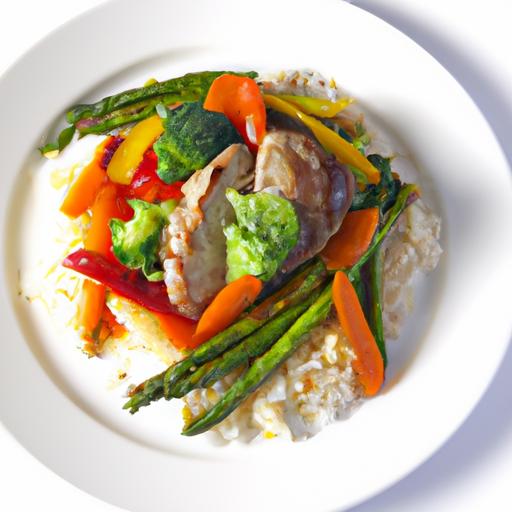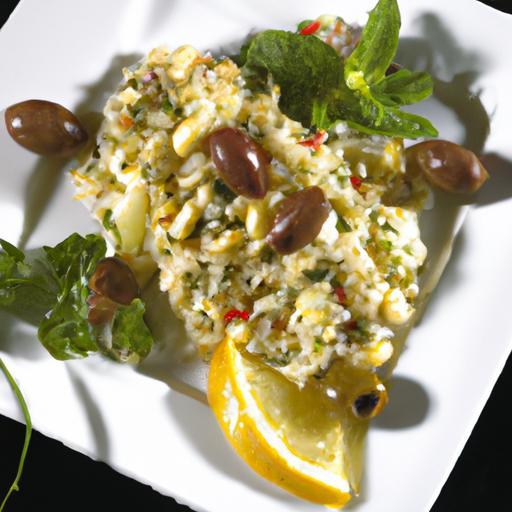

In the vibrant tapestry of Mediterranean and Middle Eastern cuisine, few culinary traditions captivate the senses quite like meze. More than just an assortment of small plates, meze is a flavorful journey-a convivial ritual where culture, history, and community come together on a single table. From tangy dips to spiced bites, these bite-sized treasures tell stories that stretch back centuries, revealing the rich heritage of the regions that have perfected this artful feast. Join us as we unveil the delicious history behind meze, tracing its roots through time and across borders, to understand how this timeless tradition has become a beloved symbol of hospitality and shared joy around the world.
Meze Unveiled: Tracing the Delicious History Behind the Tradition
Meze unveils a vibrant celebration of flavors that have woven through Mediterranean cultures for centuries. Rooted in the social fabric of countries like Greece, Turkey, Lebanon, and beyond, these delightful small plates offer a mosaic of tastes and traditions, designed to be shared and savored among friends and family. Whether it’s the creamy texture of hummus, the smoky char of grilled halloumi, or the tangy punch of tzatziki, each dish tells a story steeped in history and regional nuance. As a culinary enthusiast, exploring meze has always been my gateway to understanding diverse cultures through food, inspiring me to recreate an authentic spread that embodies this rich heritage in my own kitchen.
Prep and Cook Time
Preparation: 30 minutes | Cooking: 20 minutes | Total Time: 50 minutes
Yield
Serves 4-6 as a shared appetizer
Difficulty Level
Medium – Ideal for those familiar with Mediterranean ingredients, but approachable for adventurous home cooks
Ingredients
- 1 cup cooked chickpeas (canned or fresh, drained)
- 3 tablespoons tahini
- 2 cloves garlic, minced
- Juice of 1 lemon
- 1/4 cup extra virgin olive oil, plus extra for drizzling
- 1/2 teaspoon ground cumin
- Salt to taste
- Fresh parsley, finely chopped for garnish
- 200g halloumi cheese, sliced into 1cm thick pieces
- 1 medium cucumber, grated and drained for tzatziki
- 1 cup Greek yogurt
- 1 tablespoon fresh dill, chopped
- 1 tablespoon white vinegar
- Pita bread, warmed and sliced into wedges
- Sumac and za’atar spices for dusting (optional)
Instructions
- Prepare the hummus: In a food processor, combine cooked chickpeas, tahini, garlic, lemon juice, cumin, and salt. Blend until smooth, adding olive oil gradually to reach a creamy consistency. Pause occasionally to scrape down the sides.
- Grill the halloumi: Heat a non-stick skillet over medium heat. Place the halloumi slices in the pan and cook until golden brown on both sides, about 2-3 minutes per side. Set aside on a warm plate.
- Make tzatziki: In a bowl, mix grated cucumber, Greek yogurt, garlic (optional), dill, vinegar, and a pinch of salt. Stir well and refrigerate for at least 15 minutes to allow flavors to meld.
- Prepare garnish and bread: Warm pita bread in the oven or on a skillet. Cut into triangles for easy dipping. Chop parsley finely and prepare spices for dusting.
- Assemble the meze platter: Arrange the hummus in a shallow bowl and drizzle with olive oil and a sprinkle of sumac or paprika. Place grilled halloumi alongside tzatziki in small bowls. Garnish with fresh parsley and serve with warm pita bread.
Tips for Success
- Use high-quality olive oil: A fruity, robust olive oil makes a significant difference in flavor and authenticity.
- Drain cucumbers thoroughly: For tzatziki, excess moisture can dilute the creaminess-use a cheesecloth or paper towel to press out water.
- Customize your meze: Feel free to include olives, stuffed grape leaves (dolma), or spicy Muhammara to diversify the plate.
- Make ahead: Hummus and tzatziki can be prepared a day in advance and stored covered in the fridge for optimal flavor development.
- Halloumi alternatives: If unavailable, try grilling firm white cheese like kefalotyri or even paneer.
Serving Suggestions
Present your meze on a large rustic wooden board or colorful ceramic platter to capture the Mediterranean spirit visually. Layer pita wedges around each dip, and garnish with fresh herbs, lemon wedges, and a dusting of spice blends such as za’atar or sumac. A drizzle of pomegranate molasses over halloumi adds a delightful sweet-tart contrast. To complement the experience, pair with traditional drinks such as a chilled glass of ouzo, raki, or a fruity rosé. Encouraging guests to share the dishes fosters convivial conversation, true to the meze tradition.
| Nutrient | Per Serving |
|---|---|
| Calories | 320 kcal |
| Protein | 15 g |
| Carbohydrates | 22 g |
| Fat | 18 g |

Explore more about the fascinating variety of Mediterranean appetizers in our article on Mediterranean Meze Essentials. For further historical insights and an in-depth exploration of meze culture, check out the Britannica entry on Meze.
Q&A
Q&A: Meze Unveiled – Tracing the Delicious History Behind the Tradition
Q1: What exactly is meze, and why is it so much more than just a collection of small dishes?
A1: Meze is a vibrant tapestry of bite-sized dishes, often shared among friends and family, weaving together flavors, stories, and cultures. More than just appetizers, meze is a social ritual-a culinary celebration that invites conversation, connection, and a slow savoring of life’s pleasures. Originating in the Eastern Mediterranean and Middle Eastern regions, meze embodies hospitality and communal joy.
Q2: Where did the tradition of meze begin, and how did it spread across different cultures?
A2: The origins of meze date back centuries to the Ottoman Empire, where it began as small plates meant to stimulate the appetite alongside alcoholic beverages like arak and raki. As the empire expanded, so did the meze tradition, infusing local ingredients and techniques from Greece, Turkey, Levant, and the Balkans. Each region added its unique twist, turning meze into a mosaic of tastes reflecting historical trade routes and cultural exchanges.
Q3: What are some quintessential meze dishes that reveal its diverse history?
A3: Classic meze dishes include silky hummus seasoned with tahini, smoky baba ganoush, zesty tzatziki, and savory dolmas (stuffed grape leaves). Each dish echoes the land it comes from-olive oil from Mediterranean groves, fresh herbs from Levantine gardens, and spices from ancient Silk Road markets. These dishes not only tell tales of flavor but also of migration, adaptation, and tradition.
Q4: How has meze evolved in modern culinary contexts while still respecting its roots?
A4: Today, chefs worldwide celebrate meze by balancing authenticity with innovation. While traditional recipes remain beloved staples, modern takes incorporate novel ingredients, vegan options, and fusion influences. Meze’s essence-sharing and savoring small plates-persists, but it adapts to contemporary dining trends, making it a dynamic bridge between past and present.
Q5: Why is understanding the history behind meze important for food lovers?
A5: Exploring meze’s history enriches the experience beyond taste. It connects diners to centuries of culture, hospitality, and human interaction embedded in every bite. Recognizing meze as a living tradition encourages appreciation for diversity and the power of food to unite across boundaries-a delicious reminder that history is best savored together.
To Wrap It Up
As the final bite of meze lingers on the palate, we are reminded that this vibrant culinary tradition is more than just an assortment of small dishes-it is a flavorful tapestry woven through centuries of culture, connection, and conviviality. From its ancient roots to its modern reinventions, meze continues to invite us to slow down, share stories, and savor the simple joy of togetherness. In unveiling the delicious history behind meze, we not only celebrate the food itself but also the timeless human desire to gather around the table and create memories that endure long after the last dish is cleared. Whether enjoyed under the Mediterranean sun or in a cozy urban nook, meze remains a delicious testament to the enduring power of tradition and taste.