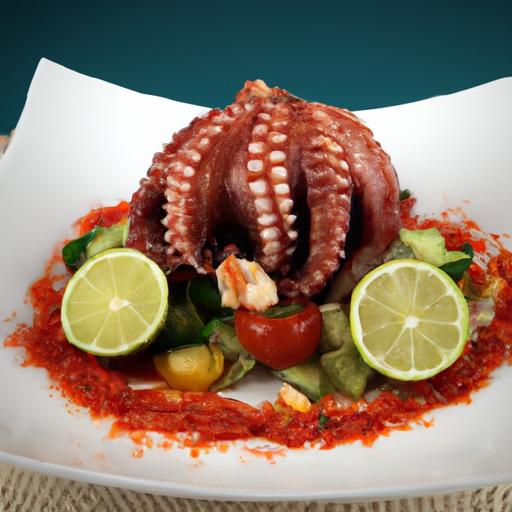

In the vibrant tapestry of Spanish cuisine, few dishes capture the essence of tradition and flavor quite like Pulpo a la Gallega. Hailing from the rugged coasts of Galicia, this iconic octopus delight has long been celebrated for its simplicity, bold seasoning, and tender texture. But what is it that makes this humble seafood creation a beloved staple on tables across Spain-and beyond? Journey with us as we unravel the story behind Pulpo a la Gallega, exploring its rich history, unique preparation methods, and the cultural passion that elevates it from a regional specialty to an emblem of Spanish culinary artistry.
Pulpo a la Gallega, a cherished gem of Spanish cuisine, encapsulates both tradition and simplicity in every tender bite. Originating from Galicia’s rugged Atlantic coast, this dish embodies centuries of maritime heritage and communal celebration. The salty tang of octopus paired with smoky paprika and silky potatoes evokes vivid images of bustling seafood markets and festive gatherings under the northern Spanish sky.
Prep and Cook Time
Preparation: 15 minutes | Cooking: 45 minutes | Total: 1 hour
Yield
Serves 4 – a perfect size for sharing as a tapa or light main course
Difficulty Level
Medium – requires attention to cooking tenderness but uses straightforward ingredients
Ingredients
- 2 lbs (900g) fresh octopus, cleaned
- 4 medium potatoes, peeled and sliced into ½-inch rounds
- 3 tablespoons extra virgin olive oil
- 2 teaspoons smoked Spanish paprika (pimentón de la Vera)
- 1 teaspoon sweet paprika (optional, for balance)
- 1 tablespoon coarse sea salt
- 2 bay leaves
- Water for boiling
- Freshly ground black pepper, to taste
- Fresh flat-leaf parsley, finely chopped (for garnish)
Instructions
- Prepare the octopus: Rinse the octopus under cold water. For tender results, some recommend freezing the octopus overnight then thawing; this breaks down fibers perfectly.
- Boil water: Fill a large pot with water, adding bay leaves and a pinch of salt. Bring to a rolling boil.
- Cook the octopus: Holding the octopus by the head, dip its tentacles into the boiling water three times (“scaring” the octopus), then submerge fully. Reduce heat to medium-low and simmer gently for 40-45 minutes. The octopus is ready when a skewer slides in easily.
- Cook the potatoes: In a separate pot, boil the sliced potatoes with a pinch of salt until tender but firm, about 10 minutes. Drain and keep warm.
- Slice the octopus: Remove octopus from pot, drain, and let cool slightly. Cut tentacles into ½-inch thick rounds.
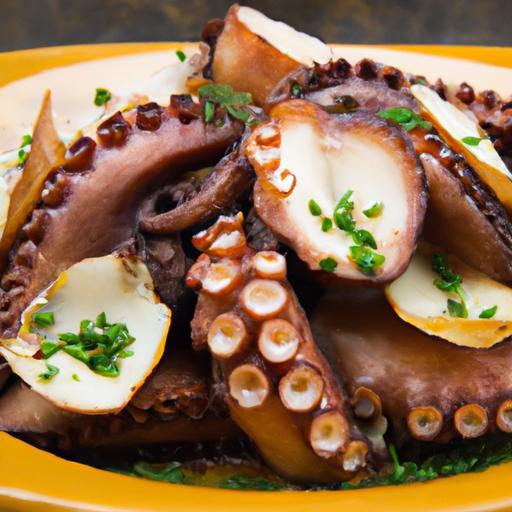
- Assemble the dish: Arrange potato slices on a wooden or ceramic platter. Evenly distribute the octopus slices atop, sprinkle with coarse sea salt and both smoked and sweet paprika for depth.
- Drizzle olive oil: Generously pour extra virgin olive oil over the entire dish, allowing it to soak into the potatoes and octopus.
- Finish and garnish: Add freshly ground pepper and sprinkle chopped parsley for a vivid green contrast. Serve immediately for optimal flavor and texture.
Chef’s Notes
- Octopus alternatives: While fresh octopus is ideal, frozen octopus works equally well, often improving tenderness upon thawing.
- Cooking tip: Avoid a rolling boil after adding the octopus; gentle simmering cooks it evenly without toughening the meat.
- Smoked paprika selection: Use authentic pimentón de la Vera for the signature smoky aroma that defines Pulpo a la Gallega.
- Make-ahead: Prepare octopus a day ahead and refrigerate; olive oil and paprika enhance flavors overnight, served cold or room temperature.
- Substitutions: For a lighter twist, swap potatoes for steamed cauliflower slices or turnips.
Serving Suggestions
Serve Pulpo a la Gallega on a traditional wooden plate for authenticity and rustic charm. Pair with crusty Spanish bread to soak up those luscious olive oil and paprika drizzles. Complement this with a chilled glass of Ribeiro white wine-a crisp, citrusy counterpart from Galicia. Garnish with extra parsley and a wedge of lemon to add brightness at the table. For a full Galician experience, present alongside patatas bravas or a fresh green salad.
| Nutrient | Per Serving (4 servings) |
|---|---|
| Calories | 280 kcal |
| Protein | 35g |
| Carbohydrates | 20g |
| Fat | 7g |
Modern Twists on Pulpo a la Gallega
While honoring its roots, this dish lends itself beautifully to creative updates. Try grilling the octopus after boiling for added char and smoky depth. Introduce a touch of garlic-infused olive oil or finish with a drizzle of rich balsamic glaze for complexity. Swap traditional potatoes with sweet potato rounds or parsnip for earthier sweetness. Even playful plating-such as small individual tapas glasses layered with octopus, crushed potatoes, and paprika mousse-can bring this classic into contemporary kitchens. Each variation, whether subtle or bold, pays homage to Spain’s iconic dish while inviting personal expression in your culinary journey.

Q&A
Q&A: Pulpo a la Gallega – Spain’s Iconic Octopus Delight Explained
Q1: What exactly is Pulpo a la Gallega?
A1: Pulpo a la Gallega, also known as Pulpo a la Feira, is a traditional Spanish dish hailing from Galicia, the verdant region in northwest Spain. At its heart lies tender octopus-boiled to perfection, then sliced and typically seasoned with smoky paprika, coarse sea salt, and a generous drizzle of rich olive oil, often resting atop a bed of rustic boiled potatoes.
Q2: Why is octopus the star ingredient in this dish?
A2: Octopus has been a dietary staple along the rugged, seafood-rich coasts of Galicia for centuries. Its firm yet delicate texture, coupled with its ability to absorb flavors beautifully, makes it perfect for this simple yet vibrant preparation. The dish celebrates the ocean’s bounty and the region’s deep connection to the sea.
Q3: How is the octopus prepared to achieve that legendary tenderness?
A3: The secret lies in the boiling technique! Traditionally, the octopus is dipped three times into boiling water before being fully submerged-a trick believed to tighten the skin. Then, it simmers gently until tender, sometimes for up to an hour, depending on the size. This patient cooking transforms the octopus from rubbery to melt-in-your-mouth delicious.
Q4: What role do the potatoes play in Pulpo a la Gallega?
A4: The potatoes, usually boiled with their skins on and sliced, serve as the perfect canvas for the octopus and seasonings. They soak up the olive oil and paprika, creating a harmonious blend of hearty, earthy, and smoky flavors that elevate the dish beyond just seafood.
Q5: How is Pulpo a la Gallega traditionally served and enjoyed?
A5: Traditionally, Pulpo a la Gallega is served on a wooden platter or board, imparting a rustic charm. It’s often enjoyed as a tapa or shared among friends, paired wonderfully with a glass of crisp Albariño wine or a refreshing cerveza. Eating it is a convivial experience, savored slowly to appreciate each layer of flavor.
Q6: Can Pulpo a la Gallega be found outside of Galicia?
A6: Absolutely! This iconic dish has transcended regional borders and is beloved throughout Spain-and increasingly around the world-found in tapas bars and fine dining alike. Each chef may add a personal twist, but the essence of tender octopus with smoky paprika and olive oil remains the soul of the dish.
Q7: Is this dish suitable for adventurous eaters only, or can anyone enjoy it?
A7: While the idea of octopus might seem intimidating to some, Pulpo a la Gallega’s simple, clean flavors and welcoming texture make it accessible even to those new to seafood delicacies. It’s a perfect culinary gateway to exploring Spain’s rich coastal gastronomy.
Q8: Any tips for making Pulpo a la Gallega at home?
A8: Patience is your best friend! Don’t rush the octopus’s cooking time, and always season generously but thoughtfully. Using good-quality Spanish smoked paprika and extra virgin olive oil can make a world of difference. And if you can find fresh octopus, all the better-but frozen works too when handled right.
Pulpo a la Gallega is more than a dish; it’s a celebration of Galician heritage, the sea’s generosity, and the artistry of simplicity. Whether you’re indulging in it at a lively Spanish feria or crafting it in your own kitchen, this octopus masterpiece invites you to savor tradition one tender bite at a time.
Wrapping Up
Whether enjoyed at a bustling Galician market or recreated in your own kitchen, Pulpo a la Gallega remains a testament to Spain’s rich culinary heritage. This humble dish, with its tender octopus, smoky paprika, and drizzle of golden olive oil, tells a story of tradition, community, and the timeless love for simple, exceptional flavors. As you savor each bite, you’re not just tasting seafood-you’re experiencing a vibrant slice of Spain’s cultural tapestry, one delicious tentacle at a time.