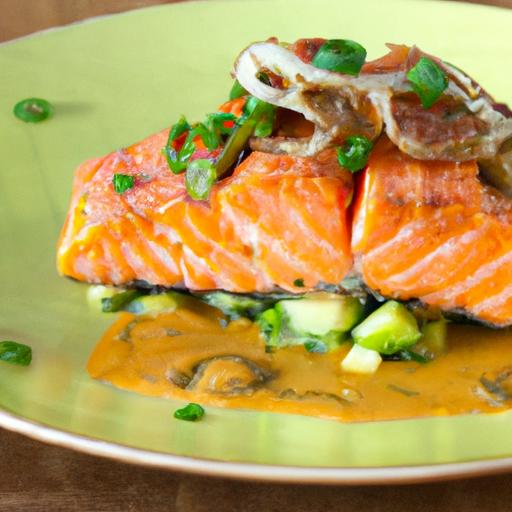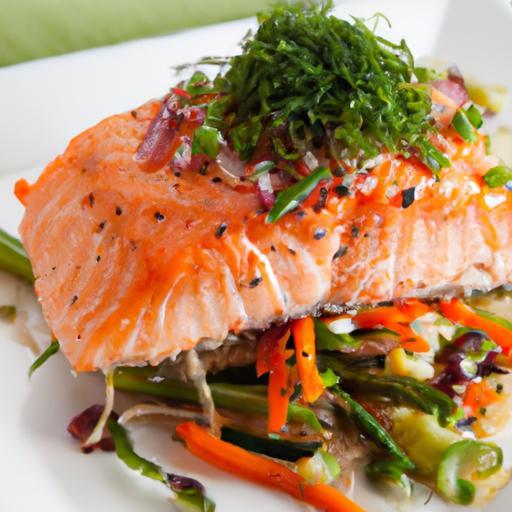

Beneath the shimmering surface of rivers and oceans swims a vibrant marvel of nature-salmon, a fish revered not only for its rich, succulent flavor but also for its extraordinary health benefits. Often hailed as a heart-healthy powerhouse, salmon holds a treasure trove of secrets that science and tradition alike have celebrated for centuries. In this article, we dive deep into the mysteries of salmon, uncovering the nutritional gems and natural wonders that make it a champion for cardiovascular wellness. Join us as we unlock the secrets behind salmon’s reputation, exploring how this remarkable fish can power your health from the inside out.
Salmon Secrets: Unlocking Nature’s Heart-Healthy Powerhouse begins with understanding the incredible benefits of omega-3 fatty acids found in this vibrant, glistening fish. From the moment it graces your kitchen counter, salmon’s rich hues and silky texture promise a culinary experience that nourishes both body and soul. Its ancestral ties to coastal communities and its modern-day superfood status make it a timeless staple worth celebrating in every heart-conscious kitchen.
Prep and Cook Time
Preparation: 10 minutes | Cooking: 15 minutes | Total Time: 25 minutes
Yield
Serves 4 hearty portions
Difficulty Level
Easy – Perfect for weekday dinners or weekend gatherings
Ingredients
- 4 salmon fillets (6 oz each, skin-on for maximum flavor and crispiness)
- 2 tbsp extra virgin olive oil
- 2 cloves garlic, finely minced
- 1 lemon, zested and juiced
- 1 tsp smoked paprika
- 1/2 tsp sea salt
- 1/4 tsp freshly ground black pepper
- Fresh dill sprigs for garnish
- 2 tbsp chopped fresh parsley (optional)
- Mixed greens or steamed vegetables for serving
Instructions
- Start by patting the salmon fillets dry with a paper towel. This step is essential to achieve that prized crisp skin and to lock in the omega-3 rich oils during cooking.
- In a small bowl, mix olive oil, minced garlic, lemon zest, smoked paprika, salt, and black pepper. Brush this vibrant marinade generously over each fillet, coating both sides.
- Allow the salmon to rest at room temperature for 10 minutes; this brief wait lets the flavors meld and prevents shock from the heat, preserving texture and nutrients.
- Heat a non-stick skillet over medium-high heat. Once hot, place salmon skin-side down, cooking without moving for 6-7 minutes until the skin crisps to a golden brown.
- Carefully flip and cook the salmon for an additional 4-5 minutes, or until it reaches a perfect medium inside – tender, flaky, and bursting with that characteristic pink glow.
- Remove from heat and immediately drizzle with fresh lemon juice for a zesty brightness that enhances the omega-3 impact.
- Garnish with freshly chopped parsley and dill sprigs before plating over a bed of mixed greens or your favorite steamed vegetables.
Tips for Success
- For the best health benefits, choose wild-caught salmon whenever possible – it boasts higher omega-3 levels and a better sustainability profile.
- Don’t overcook your salmon; this can degrade valuable fatty acids and result in a dry texture. Use a thermometer aiming for 125°F (52°C) for optimal doneness.
- If you prefer baking, preheat your oven to 400°F (204°C) and roast salmon for 12-15 minutes on a parchment-lined tray. Finish with a quick broil to crisp the top.
- Make ahead: Marinate salmon up to 2 hours in advance and store covered in the fridge. Bring to room temperature before cooking for even results.
- Experiment with fresh herbs like thyme or chives for a subtle flavor twist that complements salmon’s rich oils.
Serving Suggestions
Present your salmon fillets nestled atop a vibrant quinoa salad or alongside roasted seasonal vegetables such as asparagus or baby carrots. A dollop of lemon-infused Greek yogurt or a drizzle of dill-cucumber sauce adds a refreshing, creamy layer that contrasts beautifully with the crisp skin and tender flesh. Garnish with thin lemon slices and a sprinkle of toasted pine nuts for added texture and visual appeal, turning every bite into a celebration of health and flavor.

| Nutrient | Per Serving |
|---|---|
| Calories | 350 kcal |
| Protein | 34 g |
| Carbohydrates | 3 g |
| Fat (Omega-3) | 20 g (Rich source) |
For diving deeper into the science of omega-3 fats in salmon and their heart-healthy impacts, consider visiting the American Heart Association’s official resource. To expand your culinary repertoire, check out our detailed guide on seafood cooking techniques to make every meal a nutrition-packed delight.
Q&A
Q&A: Salmon Secrets – Unlocking Nature’s Heart-Healthy Powerhouse
Q1: Why is salmon often hailed as a heart-healthy superstar?
A1: Salmon is packed with omega-3 fatty acids-those magical fats that help reduce inflammation, lower blood pressure, and keep your arteries flexing like seasoned yogis. These healthy fats work tirelessly to protect your heart, making salmon a delicious way to love your ticker.
Q2: What makes omega-3s in salmon so special compared to other sources?
A2: The omega-3s in salmon come predominantly as EPA and DHA, long-chain fatty acids that your body can readily use to support heart and brain health. Unlike plant-based omega-3s, which require conversion, salmon delivers these heart helpers straight to where they’re needed most.
Q3: Beyond omega-3s, what other nutrients does salmon offer?
A3: Salmon is a treasure chest of vitamin D, essential for heart and bone health; high-quality protein, which fuels body repair and muscle; and powerful antioxidants like astaxanthin-a natural pigment that not only gives salmon its pink hue but also fights oxidative stress in your cells.
Q4: How should I prepare salmon to maximize its heart-healthy benefits?
A4: Keep it simple and gentle: grilling, baking, or steaming are your best bets to preserve salmon’s nutrient goodness. Avoid heavy breading or deep-frying, which can add unhealthy fats. A squeeze of lemon and a sprinkle of herbs create a heart-smart flavor fiesta.
Q5: How often should salmon make an appearance on my plate?
A5: The American Heart Association suggests enjoying fatty fish like salmon at least twice a week. Regular servings help maintain steady omega-3 levels in your body, turning your heart health from a wish into a well-fed reality.
Q6: Can salmon really lower the risk of heart disease?
A6: Absolutely! Studies show that people who regularly eat salmon have lower triglycerides, reduced blood clotting, and more stable heart rhythms. Think of salmon as a natural bodyguard, patrolling your bloodstream to keep your heart safe and sound.
Q7: Is wild-caught salmon better than farmed salmon for heart health?
A7: Wild-caught salmon generally boasts higher omega-3 levels and fewer contaminants, making it a top choice. However, responsibly farmed salmon can also offer heart benefits. The key is sourcing quality fish and enjoying it as part of a balanced diet.
Q8: Any fun ways to incorporate salmon into meals beyond the ordinary?
A8: Absolutely! Think salmon poke bowls bursting with fresh veggies, zesty salmon tacos with avocado cream, or even smoky salmon salads topped with crunchy nuts. With salmon’s versatile flavor, your heart-healthy meals can be as exciting as they are nutritious.
Q9: Any caveats or people who should be cautious about consuming salmon?
A9: While salmon is generally safe and beneficial, people with seafood allergies or certain medical conditions should consult a healthcare provider. Also, watch out for mercury levels-though salmon is typically low in mercury, moderation is always wise.
Q10: What’s the bottom line on salmon’s role in heart health?
A10: Salmon isn’t just a meal-it’s a heart-healthy ally swimming straight from nature’s pantry to your plate. Regularly enjoying this pink powerhouse nourishes your cardiovascular system, helping you live a vibrant life with a happy, strong heart. So dive in and savor those salmon secrets!
Insights and Conclusions
As we close the chapter on the remarkable journey of salmon, one truth swims clearly to the surface: this vibrant fish is more than a culinary delight-it’s a natural guardian of heart health. From its omega-3 rich flesh to its treasure trove of vitamins and antioxidants, salmon offers a powerful ally in the quest for wellness. Embracing salmon on your plate isn’t just a taste choice; it’s a heartbeat decision, unlocking nature’s secrets to a stronger, healthier you. So next time you savor those pink flakes, remember-you’re diving into a reservoir of vitality, one bite at a time.