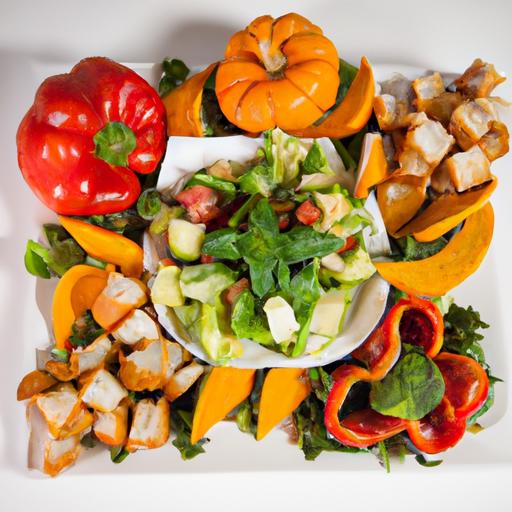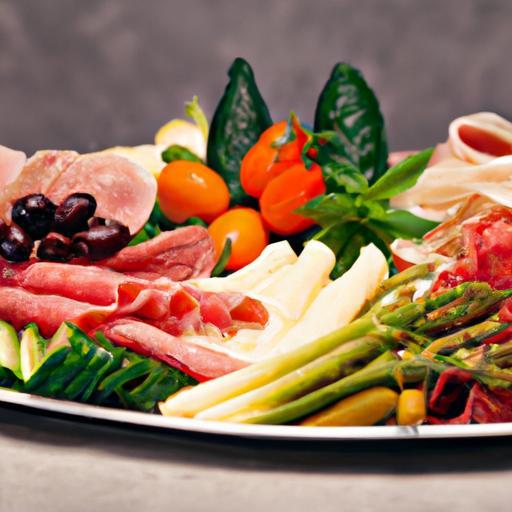

Italy’s culinary tapestry is a vibrant mosaic of flavors, textures, and traditions-each region boasting its own unique story told through food. At the heart of these stories lie antipasti: the tantalizing appetizers that awaken the palate and invite you on a sensory journey across Italy’s diverse landscapes. From the sun-kissed shores of Sicily to the rolling hills of Tuscany, regional antipasti offer more than just a taste-they reveal centuries of culture, local ingredients, and artisanal craftsmanship. Join us as we savor Italy’s best-kept secrets, unveiling the irresistible antipasti delights that make every bite a celebration of heritage and flavor.
Exploring Authentic Italian Antipasti Delights: Regional Ingredients & Pairings
Savor Italy: Discover Regional Antipasti Delights Unveiled invites you on a culinary journey to experience the essence of Italy through its beloved starters. These antipasti encapsulate centuries of tradition, unique regional ingredients, and vibrant local flavors-from the sun-kissed coasts to the rugged mountain villages. Each bite tells a story, offering a gateway to authentic Italian hospitality and culture.
Prep and Cook Time
Total Time: 35 minutes
Yield
Serves 4-6 as an appetizer spread
Difficulty Level
Medium – approachable for home cooks with some experience in layering flavors
Ingredients
- 200g aged Pecorino Toscano, sliced thin
- 150g fresh mozzarella di bufala, torn generously
- 100g sun-dried Tomatoes packed in oil, drained
- 50g cured Soppressata, sliced paper-thin
- 1 cup marinated artichokes, quartered
- ½ cup Castelvetrano olives (meaty, buttery)
- 1 small jar of anchovy fillets in olive oil (optional)
- Fresh basil leaves for garnish, a handful
- Extra virgin olive oil for drizzling
- Crusty Italian bread or grilled focaccia to serve
- Fresh cracked black pepper and sea salt flakes to taste
Instructions
- Prepare your board: Arrange a large wooden serving platter or marble slab for an elegant, rustic presentation.
- Layer the cheese: Fan the thin slices of Pecorino Toscano across one section of the board. Place torn mozzarella di bufala nearby to maintain creaminess contrast.
- Place cured meats: Neatly arrange slices of Soppressata next to the cheese, folding each slice slightly to create texture and height.
- Add marinated vegetables: Distribute sun-dried tomatoes and artichoke quarters around the board. These briny bursts evoke the coastal sun and earthy mountain tones.
- Scatter olives: Nestle Castelvetrano olives in small bowls or directly onto the board for easy picking.
- Optional seafood touch: For an authentic coastal flair, place anchovy fillets delicately atop the tomatoes or alongside the mozzarella, providing umami excellence.
- Garnish thoughtfully: Fresh basil leaves scattered across the board bring aromatic vibrancy and visual appeal.
- Final flourish: Drizzle high-quality extra virgin olive oil generously around the antipasti. Season with cracked black pepper and a pinch of sea salt flakes.
- Serve alongside: Toasted slices of crusty Italian bread or grilled focaccia to scoop up all the delicious components.
Chef’s Notes & Tips for Success
- Ingredient swaps: If Pecorino Toscano is unavailable, try a well-aged Parmigiano-Reggiano for a similar sharpness.
- Make it vegetarian: Omit anchovies and substitute Soppressata with roasted red peppers or grilled seasonal vegetables.
- Advance prep: Marinate artichokes and sun-dried tomatoes a day ahead for intensified flavor.
- Serving: Chill cheeses slightly before serving, but bring to room temperature for optimal texture and taste.
- Wine pairing tip: Pair these antipasti with a crisp Vermentino from Liguria or a robust Chianti Classico to highlight regional harmony.
Serving Suggestions
Present your antipasti board as the centerpiece of your aperitivo or dinner table. Enhance the ambiance with a sprinkle of crushed chili flakes for heat seekers, or fresh lemon zest for brightness. Complement this spread with a glass of Italian white wine-perhaps a minerally Verdicchio-or a light red Sangiovese to marry coastal salinity and mountainous depth. Encourage guests to mix and match flavors, savoring the delightful contrasts of creamy cheeses, savory meats, and tangy marinated vegetables.

Nutritional Information per Serving
| Calories | Protein | Carbs | Fat |
|---|---|---|---|
| 320 kcal | 18g | 7g | 25g |
For an expanded guide to Italian wine pairings perfect for antipasti, check our Italian Wine Pairings for Appetizers article. Enhance your culinary journey with knowledge from Vinitaly, Italy’s premier wine authority, to select the finest bottles for an unforgettable experience.
Q&A
Q&A: Savor Italy – Discover Regional Antipasti Delights Unveiled
Q1: What exactly are antipasti, and why are they so important in Italian cuisine?
A1: Antipasti are the quintessential Italian appetizers-literally meaning “before the meal.” They serve as a flavorful prelude that awakens the palate and sets the tone for the courses to come. More than just bites to nibble on, antipasti embody the rich, diverse terroir of Italy, showcasing local ingredients and culinary traditions in a single, artful spread.
Q2: How do antipasti differ across Italy’s regions?
A2: Italy’s regions boast vastly different landscapes and histories, and this diversity is deliciously reflected in their antipasti. In the north, you might find delicate smoked fish and creamy cheeses, while southern Italy offers robust, sun-drenched flavors like olives, cured meats, and spicy caponata. Each antipasto plate is a story told through unique textures, colors, and tastes that mirror the local culture.
Q3: Can you name some iconic regional antipasti and what makes them special?
A3: Absolutely! From Liguria comes the fragrant Pesto Crostini, where basil and pine nuts meet crispy bread. Tuscany’s Crostini Toscani highlights chicken liver pâté-a rustic, earthy delight. In Calabria, fiery Nduja sausage brings a smoky, spicy kick, while Sicily’s Panelle-chickpea fritters-offer a golden, crispy treat with deep Mediterranean roots. Each dish is a bite-sized window into the soul of its birthplace.
Q4: How can travelers savor authentic regional antipasti when visiting Italy?
A4: The best way is to explore local markets, family-run trattorias, and coastal osterias where recipes have been refined over generations. Engage with vendors and chefs-they’re treasure troves of knowledge and passion. Don’t hesitate to order a mixed antipasti platter; it’s a culinary passport to the region’s flavors. Sampling street food and seasonal specialties during festivals adds an extra layer of authenticity.
Q5: Are there any tips for recreating Italian antipasti at home?
A5: Start with fresh, high-quality ingredients-think artisanal cheeses, cured meats, olives, and homemade bread. Keep it simple and let each component shine. Balance flavors by combining salty, sweet, bitter, and tangy elements. Experiment with marinating vegetables or whipping up classic dips like bagna càuda from Piedmont. And remember, antipasti is as much about conviviality as it is about taste-serve with good company and a glass of wine.
Q6: Why should food lovers explore antipasti beyond the standard prosciutto and mozzarella?
A6: Venturing beyond the familiar opens a portal to Italy’s culinary tapestry woven with centuries-old recipes and bold local ingredients. It reveals hidden gems that evoke a true sense of place, offering an immersive sensory experience. Exploring regional antipasti enriches your appreciation not only of Italian food but of its culture, history, and heart.
Q7: What role do seasonal and local ingredients play in creating memorable antipasti?
A7: Seasonal and local ingredients are the lifeblood of antipasti, ensuring peak freshness, vibrant flavors, and ecological harmony. Using what’s ripe and abundant at a given moment honors tradition and supports local producers. This connection to the land makes each antipasto plate a celebration of the natural rhythms and unique yield of the region’s terroir.
By unlocking the secrets of Italy’s antipasti, you invite a symphony of tastes into your culinary journey-a celebration of heritage, creativity, and the simple joy of sharing great food. Buon appetito!
To Conclude
As our journey through Italy’s regional antipasti comes to a close, one truth stands clear: these small bites are much more than mere starters-they are edible stories, rich with history, culture, and local flavor. From the sun-kissed coasts of Sicily to the rolling hills of Tuscany, each dish invites you to savor the essence of place and tradition. So, whether you’re a seasoned traveler or a curious foodie, let these antipasti delights inspire your next culinary adventure, reminding you that sometimes, the most memorable tastes come in the smallest, most authentic portions. Buon appetito!