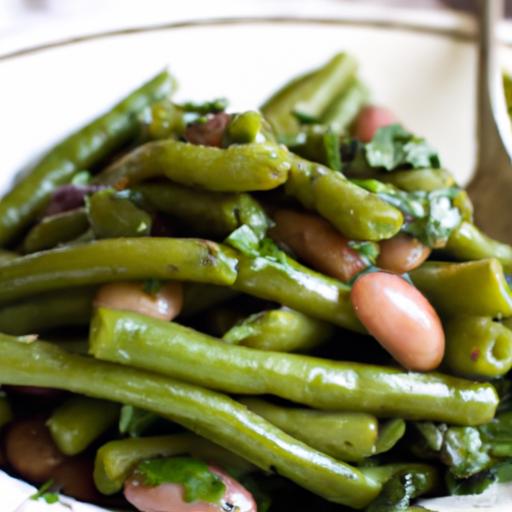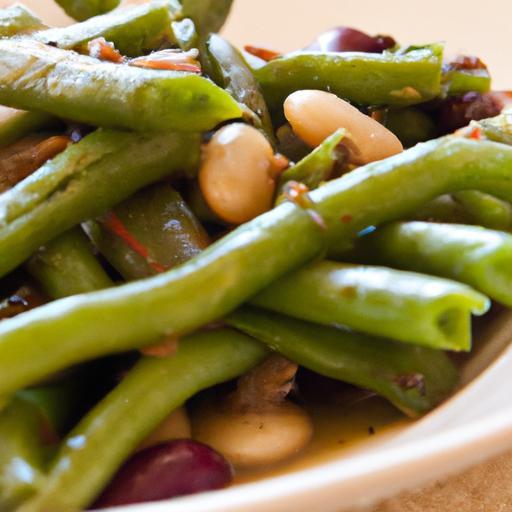

In the heart of Lebanese cuisine lies a treasure that has been lovingly passed down through generations: the classic green bean stew. More than just a simple dish, it is a vibrant celebration of tradition, weaving together fresh, tender green beans, luscious tomatoes, and fragrant spices into a comforting symphony of flavors. This humble stew, known as “Loubieh bi Zeit” in Lebanon, is a testament to the country’s rich agricultural heritage and communal spirit, offering a taste of home with every bite. Join us as we savor the tradition and uncover the story behind this timeless Lebanese favorite, where every spoonful brings history, culture, and warmth to the table.
Savor the tradition behind Lebanese green bean stew is a journey through the fragrant kitchens of Lebanon, where simple ingredients are transformed into a comforting dish rich in history and flavor. Known locally as “*Loubieh bil Zeit*,” this stew showcases tender green beans simmered in a luscious tomato and olive oil base, embodying centuries of family recipes passed down with love. Whether recalling sun-drenched village markets or warm family gatherings, this dish invites you to experience the heart of Lebanese hospitality.
Prep and Cook Time
- Preparation: 15 minutes
- Cooking: 45 minutes
- Total: 1 hour
Yield
- Serves 4 to 6 comfortably
Difficulty Level
- Easy to Medium – perfect for home cooks eager to explore Lebanese cuisine
Ingredients
- 500g fresh green beans, trimmed and halved
- 3 tablespoons extra virgin olive oil
- 1 large onion, finely chopped
- 4 garlic cloves, minced
- 400g canned crushed tomatoes or fresh ripe tomatoes, peeled and diced
- 1 teaspoon ground allspice
- ½ teaspoon ground cinnamon
- Salt and freshly ground black pepper, to taste
- 1 tablespoon tomato paste (optional, for richer tomato flavor)
- Juice of 1 lemon
- 500ml vegetable broth or water
- Fresh parsley, chopped, for garnish
Instructions
- Prepare the green beans: Wash and trim the ends, then cut each bean into bite-sized pieces. Set aside.
- Heat the olive oil: In a large, heavy-bottomed pot over medium heat, add the extra virgin olive oil. Once shimmering, stir in the chopped onion. Sauté until translucent and tender, about 5-7 minutes, stirring occasionally to avoid browning too quickly.
- Add the garlic and spices: Mix in the minced garlic, allspice, and cinnamon. Sauté for 1-2 minutes until fragrant, careful not to burn the garlic.
- Incorporate tomatoes: Pour in the crushed tomatoes and tomato paste if using. Stir thoroughly, allowing the mixture to simmer gently for about 10 minutes, stirring occasionally until slightly reduced and thickened.
- Add green beans and broth: Fold in the prepared green beans and pour in the vegetable broth. Season with salt and pepper to taste. Bring the stew to a gentle boil.
- Simmer until tender: Reduce heat to low, cover the pot, and let it simmer for about 30 minutes, or until green beans are tender but still hold their shape. Stir occasionally to prevent sticking to the bottom.
- Finish with lemon juice: Once the beans are perfectly tender, stir in the freshly squeezed lemon juice to brighten and balance the rich flavors.
- Garnish and serve: Transfer the stew to a serving dish and garnish generously with chopped fresh parsley. Serve warm alongside your favorite Lebanese sides.
Tips for Success
- Green Bean Selection: Opt for fresh, crisp green beans for the best texture. If fresh are unavailable, frozen green beans can be thawed, but drain thoroughly to avoid excess water.
- Olive Oil: Using high-quality extra virgin olive oil is crucial as it complements the dish with a fruity, peppery undertone essential to authentic flavor.
- Tomatoes: For an extra layer of taste, try slow-roasting fresh tomatoes before crushing. Canned tomatoes are great for convenience but choose a brand with no added preservatives.
- Adjusting Acidity: If you prefer a tangier stew, add a little more lemon juice after cooking, but add sparingly to maintain balance.
- Make-Ahead: This stew improves after resting overnight. Simply reheat gently and add a splash of broth if it thickens too much.
- Protein Boost: For a heartier meal, add cooked chickpeas or diced lamb towards the final simmering stage.
Serving Suggestions and Complementary Pairings for a Memorable Meal
To create a well-rounded Lebanese dining experience featuring this green bean stew, serve it with steamed jasmine rice or fluffy Lebanese bulgur. The soft grains soak up the rich tomato sauce, balancing the dish’s rustic flavors. Offer a side of fresh fattoush salad for a refreshing crunch and vibrant herbal notes. For authenticity, warm pita bread on the side encourages dipping, adding textural delight.
A drizzle of good quality extra virgin olive oil and a sprinkle of toasted pine nuts on top lend a luxurious finish that will impress your guests visually and gastronomically. Pair the meal with a cold glass of Lebanese rosé or sparkling mint lemonade to refresh the palate.
| Nutrient | Per Serving |
|---|---|
| Calories | 180 kcal |
| Protein | 4g |
| Carbohydrates | 20g |
| Fat | 9g |

Discover more about the regional flavors of Lebanese cuisine in our comprehensive spice guide to Lebanese cooking.
Q&A
Q&A: Savor the Tradition: Classic Lebanese Green Bean Stew
Q1: What makes Lebanese Green Bean Stew a beloved traditional dish?
A1: Lebanese Green Bean Stew, or Loubieh bi Zeit, is cherished for its simplicity and heartwarming flavors. This humble stew highlights fresh green beans simmered slowly in a rich tomato sauce, often with garlic and olive oil, embodying the Mediterranean love for fresh, wholesome ingredients. Its popularity spans generations, evoking a sense of home and family gatherings across Lebanon.
Q2: What are the key ingredients that define this stew’s authentic flavor?
A2: The magic lies in the harmony of fresh green beans, ripe tomatoes (or tomato paste), garlic, onions, and premium Lebanese olive oil. Sometimes a squeeze of lemon juice or a sprinkle of dried mint adds a subtle zing. The quality of each ingredient shines through, making the stew vibrant yet comforting.
Q3: How is Lebanese Green Bean Stew traditionally prepared?
A3: The traditional method involves sautéing garlic and onions in olive oil until fragrant, then adding chopped green beans and tomatoes to the pot. The stew simmers gently, allowing the flavors to meld and the beans to become tender but retain a slight bite. It’s often cooked slowly on low heat, inviting patience and a love of ritual in the kitchen.
Q4: Can this stew accommodate dietary preferences or restrictions?
A4: Absolutely! Lebanese Green Bean Stew is naturally vegan and gluten-free, making it a perfect choice for many dietary lifestyles. It’s also light and nutritious, emphasizing vegetables and healthy fats, ideal for anyone seeking a wholesome, plant-based meal.
Q5: What are some traditional or creative ways to enjoy this dish?
A5: Traditionally, this stew is served with warm pita bread or over fragrant Lebanese rice, allowing you to soak up the luscious tomato sauce. For a creative twist, it can accompany grilled meats or be a filling for savory pies. Its versatility means you can savor it as a cozy solo dish or part of a lavish mezze spread.
Q6: What cultural significance does this stew hold in Lebanese cuisine?
A6: Beyond its delightful taste, Lebanese Green Bean Stew reflects the Lebanese ethos of family, simplicity, and respect for ingredients. It’s a dish passed down through generations, symbolizing the comfort of home cooking and the joy of gathering around shared food. Its enduring presence in Lebanese homes speaks to a deep-rooted tradition of celebrating seasonal vegetables with care and love.
Q7: Where can one source authentic Lebanese green beans for this stew?
A7: For the freshest experience, local farmers’ markets or specialty Middle Eastern grocery stores often carry Lebanese or Mediterranean-style green beans. When fresh green beans aren’t available, quality frozen beans can be a convenient alternative without compromising on taste.
Q8: How can someone new to Lebanese cooking start experimenting with this dish?
A8: Start simple: gather fresh ingredients, use pure olive oil, and don’t rush the simmering process. Follow a traditional recipe to grasp the foundational flavors, then experiment with herbs like mint or optional additions like potatoes for variety. This stew is forgiving and encourages culinary exploration-perfect for anyone eager to savor a piece of Lebanon’s rich food heritage.
The Conclusion
As the vibrant aromas of simmering tomatoes, garlic, and tender green beans fade from your kitchen, the warmth of Lebanese tradition lingers on your palate and in your heart. This classic green bean stew is more than just a dish-it’s a flavorful journey into a rich cultural heritage, a celebration of simplicity and soulfulness in every bite. Whether served family-style at a bustling dinner table or savored quietly on a casual weekday evening, this recipe invites you to connect with generations of home cooks who have perfected the art of turning humble ingredients into a comforting feast. So next time you seek a taste of Lebanon’s culinary legacy, remember: sometimes the most enduring traditions come wrapped in a humble green bean stew.