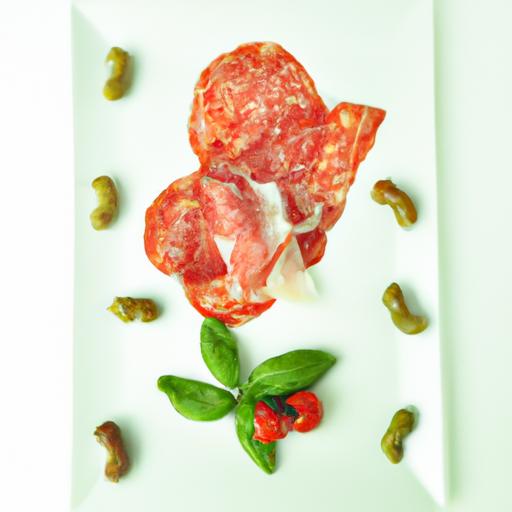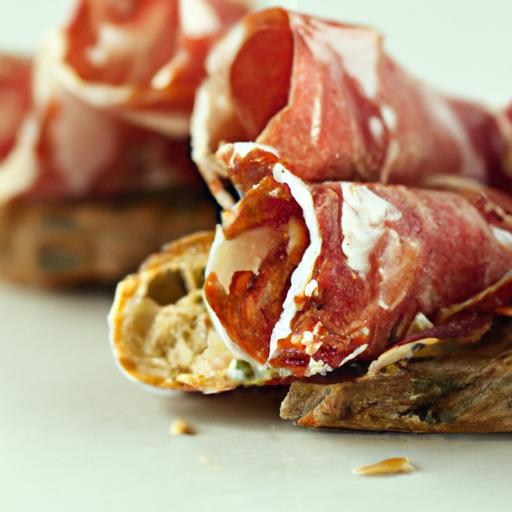

There is something undeniably captivating about the simple pleasure of savoring a few slices of finely cured meat. Among the most beloved and timeless delicacies in this realm are prosciutto and salami-each with its own rich history, unique crafting methods, and distinctive flavors that have enchanted palates around the world. In this article, we embark on a flavorful journey to unveil the secrets behind these iconic Italian charcuterie stars, exploring how tradition, terroir, and technique come together to create slices of pure indulgence. Whether you’re a seasoned connoisseur or a curious newcomer, prepare to discover what makes prosciutto and salami not just food, but art on the palate.
Savoring a Few Slices: Prosciutto and Salami Unveiled invites you into the timeless world of artisanal curing, where patience and precision transform simple pork cuts into celebrated delicacies. The age-old process of curing prosciutto and salami not only locks in flavors but also creates nuanced textures and aromatic profiles that distinguish these meats from one another. Whether you are a dedicated charcuterie enthusiast or a curious culinary adventurer, understanding the craft behind these treasures will deepen your appreciation and elevate your tasting experience.
Prep and Cook Time
- Preparation: 30 minutes active + up to 12 months curing time for authentic results
- Cook Time: None (dry curing process)
Yield
- Approximately 8-10 servings per whole leg of prosciutto or batch of salami
Difficulty Level
- Advanced – requires careful attention to hygiene, temperature, and humidity during curing
Ingredients for Traditional Prosciutto Curing
- 1 whole pork hind leg (about 18-20 lbs), preferably from heritage breed for superior quality
- 1 cup kosher salt
- Freshly ground black pepper, to taste
- Optional: juniper berries, bay leaves, or rosemary for aromatic layering
Ingredients for Homemade Salami
- 4 lbs pork shoulder, finely ground
- 1 lb pork fatback, diced small
- 30 g kosher salt
- 3 g Prague Powder #2 (curing salt)
- 2 tbsp garlic, minced
- 15 g ground black pepper
- 10 g fennel seeds
- 5 g crushed red pepper flakes (optional for heat)
- Natural hog casings, soaked and rinsed
Instructions: Crafting the Perfect Prosciutto
- Prepare the leg: Inspect the fresh pork leg; trim excess fat while retaining a protective fat layer.
- Salt application: Rub kosher salt liberally over the entire surface, including under folds, ensuring thorough coverage.
- Initial curing: Place the leg in a cool environment (34°F/1°C), resting on a non-metal rack. Turn and re-salt every 7 days for 3-4 weeks to draw out moisture evenly.
- Rest period: After salting, hang the leg in a well-ventilated curing chamber at 55-60°F (13-16°C) with 60-70% humidity for 6 to 12 months. This slow aging develops signature tender and buttery textures.
- Final preparation: Before slicing, remove any hardened exterior and gently trim mold with a dry cloth; this is a natural byproduct of curing.
Instructions: Perfecting Salami at Home
- Meat and fat preparation: Coarsely grind pork shoulder and fatback separately, then gently fold together with spices and curing salt.
- Stuffing: Load mixture into soaked hog casings, ensuring there are no air pockets by massaging carefully.
- Fermentation: Hang sausages in a cool environment at 70°F (21°C) with 85-90% humidity to ferment for 24-72 hours, depending on temperature.
- Drying: Transfer salami to a curing chamber at 55°F (13°C) and 70-75% humidity; dry for 3-6 weeks until the sausage reaches 30-35% weight loss.
- Storage: Once dried, keep wrapped in breathable paper in a cool place to maintain texture and flavor.
Tips for Success
- Maintain strict hygiene: Clean surfaces and tools eliminate unwanted bacteria, vital for safe curing.
- Climate control is key: Use a dedicated curing fridge or chamber to regulate temperature and humidity precisely.
- Patience pays off: Resist early slicing; the magic of flavor and texture lies in extended curing.
- Experiment mindfully: Add herbs or spices gradually and keep a curing diary to track results and adjustments.
Serving Suggestions: Pairing Perfection
To emphasize the delicate sweetness of prosciutto and the robust spice of salami, serve thin slices alongside crusty artisan bread, creamy burrata, or lightly dressed arugula. Drizzle with a touch of aged balsamic vinegar or pure extra virgin olive oil. Complement your charcuterie board with fresh figs, marcona almonds, and olives for contrasting textures and flavors.
Ideal drink pairings include a dry Prosecco or a bold, peppery red like Barbera or Chianti to harmonize with the salty depth of cured meats. For a non-alcoholic option, chilled sparkling water with a twist of lemon provides palate refreshment.
| Nutrition per 30g Serving (Prosciutto) | Calories | Protein | Carbs | Fat |
|---|---|---|---|---|
| Prosciutto | 90 | 10g | 0g | 6g |
| Salami | 130 | 7g | 1g | 12g |
Discover more curated charcuterie techniques in our Mastering Cured Meats guide and deepen your expertise. For a scientific foundation of meat curing and safety standards, visit the USDA Food Safety and Inspection Service.

Q&A
Q&A: Savoring a Few Slices: Prosciutto and Salami Unveiled
Q1: What makes prosciutto and salami such beloved companions on a charcuterie board?
A1: Prosciutto and salami bring a harmonious contrast of flavors and textures. Prosciutto’s silky, melt-in-your-mouth sweetness pairs beautifully with salami’s robust, spiced punch, creating a sophisticated duet that dances on your palate.
Q2: How do the curing processes of prosciutto and salami differ?
A2: Prosciutto is dry-cured using just salt and time, hung to age slowly for months, developing delicate sweetness and a buttery texture. Salami, on the other hand, blends ground meat with spices and often garlic, then is cured and sometimes fermented, resulting in a firmer, tangier bite with a complex flavor bouquet.
Q3: Can I pair prosciutto and salami with anything beyond cheese?
A3: Absolutely! Prosciutto’s subtle sweetness complements fresh melon, figs, or a drizzle of honey. Salami’s savory richness shines alongside crusty bread, pickles, olives, or even a splash of bold mustard. Fresh herbs, nuts, and a glass of wine round out the experience perfectly.
Q4: Is there a best way to enjoy these slices to maximize flavor?
A4: Serve prosciutto thin enough to almost dissolve on your tongue, ideally at room temperature to release its aroma. Salami fares best sliced thin to reveal its marbled fat and spice, inviting slow savoring. Let your senses guide you-sometimes pairing a sliver with a simple cracker uncovers hidden layers of flavor.
Q5: How do cultural traditions influence the taste and presentation of prosciutto and salami?
A5: Regional classics like Italy’s Prosciutto di Parma or Napoli’s spicy salami showcase local climates, heritage, and artisanal skill. These traditions dictate seasoning, curing duration, and even serving rituals, turning each slice into a story of place and people. Exploring these nuances is like travel for your taste buds.
Q6: Are prosciutto and salami healthy indulgences?
A6: Moderation is key! Both are rich in protein and beneficial fats but can be high in sodium and preservatives depending on the brand. Choosing artisanal or minimally processed varieties and enjoying them as part of a balanced diet lets you savor the indulgence without guilt.
Q7: Can prosciutto and salami inspire culinary creativity beyond the platter?
A7: Definitely! Wrap prosciutto around asparagus for an elegant appetizer, or fold it into pasta for a burst of umami. Dice salami into salads, pizzas, or omelets for a smoky, spicy kick. These cured gems add instant depth, transforming everyday dishes into memorable bites.
With every slice, prosciutto and salami invite us to appreciate the artistry of time, tradition, and taste-one savory moment at a time.
In Conclusion
As we peel back the layers of flavor and tradition wrapped within each delicate slice of prosciutto and salami, it becomes clear that these cured meats are more than just accompaniments-they are edible stories of heritage, craftsmanship, and patience. Whether savored on their own, paired with a fine wine, or incorporated into a culinary creation, prosciutto and salami invite us to slow down, appreciate the artistry behind every bite, and celebrate the timeless joy of savoring a few slices. So next time you unwrap that thinly sliced treasure, remember: you’re tasting centuries of passion, patience, and a little piece of gastronomic poetry.