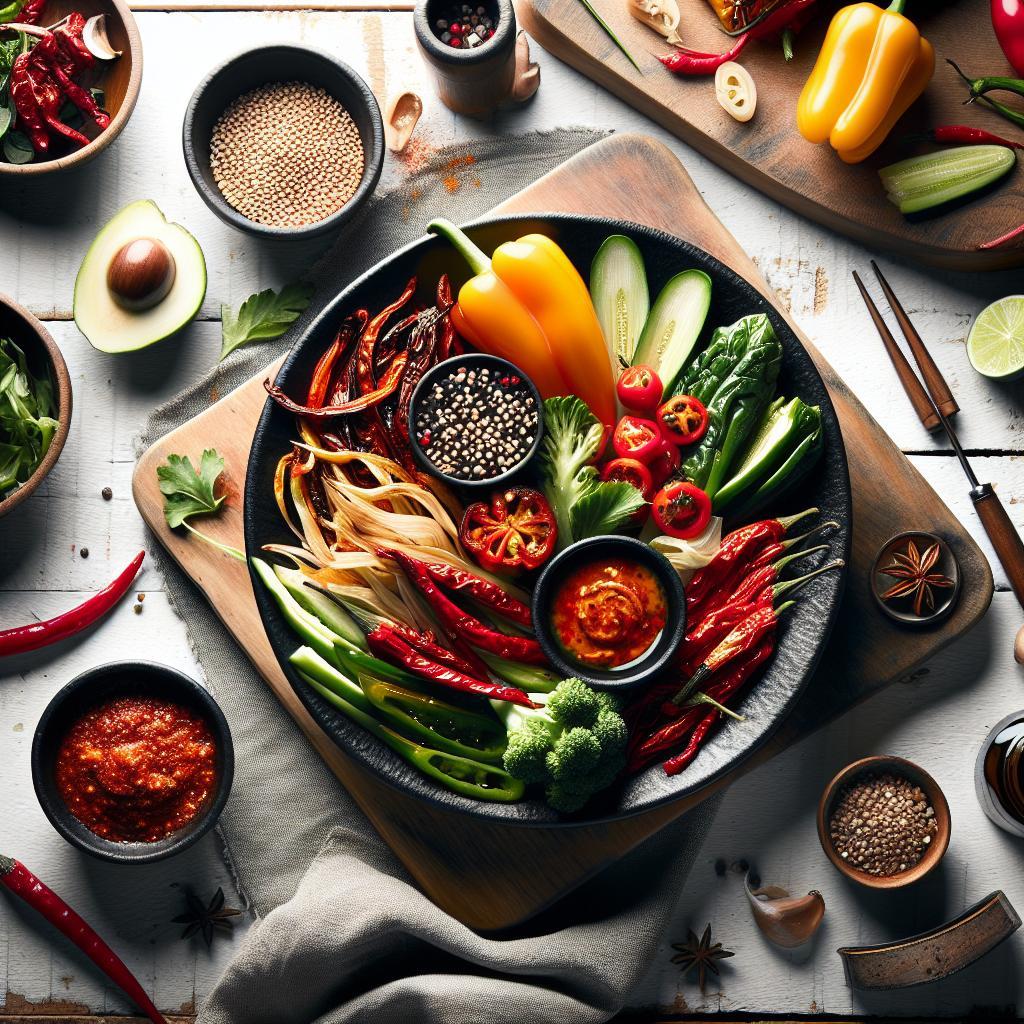

When your favorite red pepper paste runs dry just as you’re about to elevate a dish, culinary creativity is your secret weapon. That vibrant, smoky, and fiery flavor is often the star of many recipes, but luckily, it’s never truly out of reach. Whether you’re looking to replicate the heat, the depth, or the subtle sweetness it brings, there are plenty of surprising substitutes ready to transform your meal from bland to bold. In this article, we’ll explore inventive alternatives that keep the spice alive and your taste buds dancing-because every dish deserves a little kick, even when the pantry falls short.
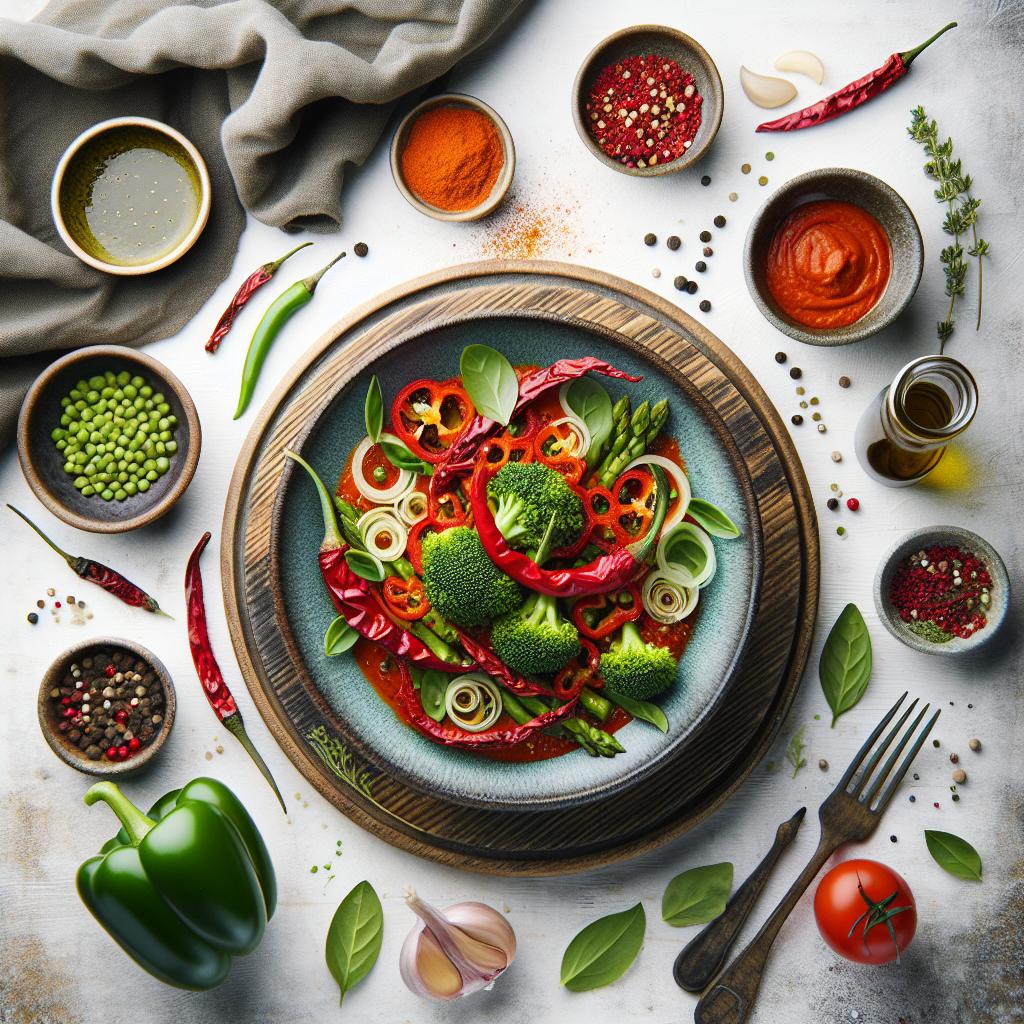
Spicing up your dish when red pepper paste is gone doesn’t mean sacrificing bold, vibrant flavors. This exploration offers you a treasure trove of creative substitutes designed to capture the essence of that familiar smoky heat, rich umami, and fiery depth. Whether you’re out of the staple red pepper paste or craving a fresh twist, the power of spices and chili blends combined with homemade pastes and fresh ingredients can transform your meals into sensory adventures.
Prep and Cook Time
Prep Time: 15 minutes
Cook Time: 10 minutes
Yield
Approximately 1 cup of versatile chili paste substitute
Difficulty Level
Easy
Ingredients
- 3 tbsp smoked paprika (for that subtly sweet, smoky profile)
- 2 tbsp chili powder (adjust to heat preference)
- 1 tbsp tomato paste (for body and umami)
- 2 cloves garlic, finely minced
- 1 small shallot, minced
- 1 tbsp apple cider vinegar (adds a bright tang)
- 2 tbsp olive oil (smooths and melds flavors)
- 1 tsp ground cumin (earthy depth)
- 1 tsp honey (balances heat with subtle sweetness)
- 1 fresh chili, finely chopped (such as Fresno or serrano, optional for extra heat)
- Salt to taste
Instructions
- Heat olive oil in a small saucepan over medium heat. Add minced garlic and shallot, sautéing until golden brown, about 3-4 minutes, stirring frequently to prevent burning.
- Stir in smoked paprika, chili powder, and ground cumin. Cook gently for 2 minutes, allowing the spices to bloom and release their aromas.
- Add the tomato paste, apple cider vinegar, honey, and fresh chili. Mix well, cooking for another 3 minutes. This step builds the paste’s complexity and melds acidity with sweetness.
- Remove from heat and let sit for 5 minutes to cool slightly. Adjust salt to taste, balancing the flavor profile.
- Transfer the mixture to a small bowl or jar. Use immediately or refrigerate for up to one week, shaking or stirring before use to redistribute flavors.
Tips for Success
- Experiment with smoked vs. sweet paprika to control smokiness-sweet lends mild warmth while smoked adds depth.
- For a richer paste, stir in a teaspoon of melted butter or ghee after cooking.
- If you don’t have fresh chilies, a pinch of cayenne or chipotle powder can mimic fresh heat well.
- Make this paste in larger batches and freeze in ice cube trays for easy portioning whenever you need a burst of flavor.
- Adjust the vinegar depending on your preference; rice vinegar can be a lighter alternative with less tang.
Serving Suggestions
This luscious homemade chili paste substitute is your new secret weapon across cuisines. Swirl it into stews, marinades, or roasted vegetables for a vibrant kick. Dollop it atop grilled meats or seafood, or stir into your favorite dips for smoky heat. Garnish dishes with a sprinkle of toasted sesame seeds or fresh chopped cilantro to enhance visual appeal and add fresh contrast. Pair alongside crusty bread or naan to scoop and savor every concentrated bite.

| Nutrient | Per 1 tbsp |
|---|---|
| Calories | 45 |
| Protein | 0.5g |
| Carbohydrates | 3g |
| Fat | 3.8g |
For more creative ways to enhance your kitchen pantry with vibrant spice blends, check out our Ultimate Guide to Chili Powders. To deepen your understanding of spice science, this ScienceDaily article on chili pepper compounds is a fascinating read.
Q&A
Q: I just ran out of red pepper paste! What can I use to keep that spicy, vibrant kick in my dish?
A: Don’t worry, spice adventurer! You can summon that heat with alternatives like harissa, gochujang, or even a dash of smoked paprika mixed with chili flakes. Each brings its own personality-harissa adds a smoky, garlicky warmth, gochujang offers a sweet chili depth, and paprika with chili flakes keeps it straightforward but fiery.
Q: How do the flavor profiles differ between red pepper paste and these substitutes?
A: Red pepper paste is often bright, tangy, and deeply savory with a smooth texture. Harissa leans toward smoky and slightly herbal, thanks to cumin and coriander. Gochujang delivers sweetness and umami alongside heat, while smoked paprika plus chili flakes provides a smoky, dry spice rather than a saucy heat. Choose based on whether you want sweet, smoky, or pure chili punch.
Q: Can I simply swap these alternatives one-to-one in my recipe?
A: Almost! Because paste intensity and salt levels vary, start with about half the amount and adjust to taste. For example, gochujang tends to be sweeter and thicker, so you might need slightly less or add a splash of vinegar for tang. Smoked paprika with chili flakes will need a bit of oil or tomato paste to mimic the paste’s moisture.
Q: What if I want to maintain the color and texture that red pepper paste gives my dish?
A: To keep that vibrant red hue, harissa and gochujang are your best bets-they both have deep red tones and saucy textures. Mixing smoked paprika with a touch of tomato paste can trick the eye and palate, creating a visually similar effect.
Q: Are there any pantry staples that can help in a pinch if I don’t have these exotic options?
A: Absolutely! A blend of chili powder, garlic powder, and a bit of tomato paste can stand in temporarily. Add a splash of vinegar or lemon juice to brighten the flavor. Even crushed red pepper flakes mixed into olive oil can bring lively heat and aroma.
Q: How does using these alternatives affect the overall authenticity of traditional dishes?
A: Every alternative is a creative twist, so while it might stray from the classic flavor, it can open new taste doors. If you’re after tradition, try to match ingredients from the cuisine’s region. But if you’re experimenting? Consider it an opportunity to “spice up” your culinary story.
Q: Any tips for experimenting with these substitutes without overpowering my dish?
A: Start small, tasting as you go. Layer your flavors-build heat gradually rather than dumping in a bunch at once. Remember, spice is a journey, not a sprint. And don’t forget balancing elements like acidity, sweetness, and salt to create harmony on your plate.
Feel free to experiment beyond red pepper paste-sometimes the best flavors come from happy accidents and bold substitutions!
Concluding Remarks
No red pepper paste? No problem. Culinary creativity thrives in the absence of the ordinary, transforming a missing ingredient into an opportunity to explore new flavors and textures. From smoky chipotle to vibrant harissa, these alternatives don’t just fill a void-they open doors to unexpected spice journeys. So next time your pantry lets you down, let your taste buds lead the way. After all, the art of spicing up your dish lies not in what’s missing, but in what you dare to try.