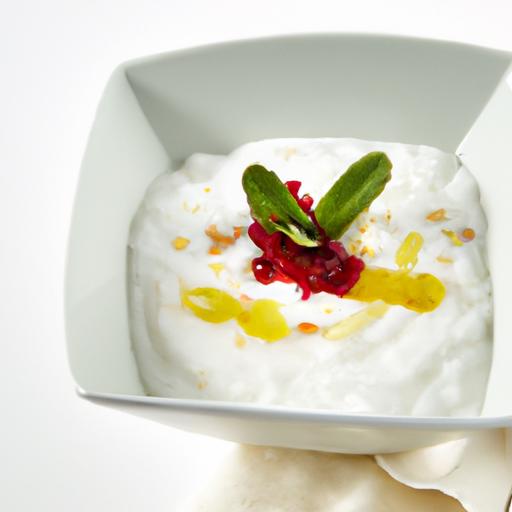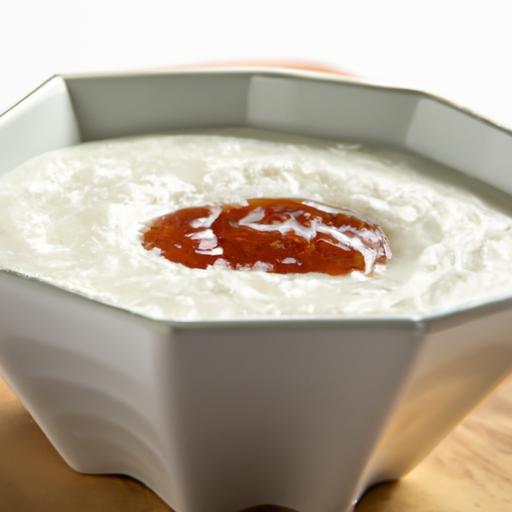

Imagine indulging in your favorite creamy dishes with a twist that not only delights your taste buds but also boosts your health. Swapping sour cream for Greek yogurt is a simple yet transformative culinary move that brings a velvety texture and tangy freshness to everything from dips and dressings to baked goods and savory sauces. In this article, we’ll explore how this nutritious substitute can elevate your meals, offer protein-packed benefits, and help you embrace a lighter, more vibrant lifestyle-one spoonful at a time.
Swap Sour Cream for Greek Yogurt: A Creamy, Healthy Twist
Embracing the delightful versatility of Greek yogurt in the kitchen transforms everyday dishes into nutrient-rich masterpieces. Swapping sour cream for Greek yogurt not only elevates the texture with luscious creaminess but also infuses recipes with a subtle tang that awakens the palate. Whether you’re crafting dips, dressings, or baking, Greek yogurt offers a powerhouse of nutrition alongside unrivaled culinary benefits.
Prep and Cook Time
- Prep Time: 10 minutes
- Cook Time: Varies by recipe (mostly no-cook or low-heat applications)
Yield
Yields approximately 1 cup of creamy Greek yogurt substitute, perfect for recipes serving 4-6.
Difficulty Level
Easy – no fancy equipment or advanced techniques required.
The Nutritional Powerhouse Behind Greek Yogurt
Greek yogurt stands out as a nutritious superstar. Packed with high-quality protein, it boosts satiety and aids muscle repair. This thick, creamy dairy delight is also abundant in probiotics, which support gut health and digestion. The swap sour cream for Greek yogurt approach dramatically cuts down on fat and calories without compromising creaminess. Plus, it offers essential calcium, potassium, and B vitamins, turning any dish into a wholesome indulgence.
How Greek Yogurt Enhances Flavor and Texture in Recipes
The rich tanginess of Greek yogurt complements savory and sweet creations alike. Its thick consistency lends a luxurious mouthfeel, similar to sour cream, but with a cleaner, fresher finish. When stirred into sauces or dressings, Greek yogurt adds body and brightness without overpowering flavors. Baking with Greek yogurt contributes moisture and tenderness, creating soft textures and golden crusts. This subtle flavor enhancer brightens and balances dishes with an irresistible allure.
Tips for Seamlessly Substituting Greek Yogurt in Your Favorite Dishes
For perfect swaps every time, use these tips:
- Match fat content: Use full-fat Greek yogurt for richer dishes, or non-fat for lighter results.
- Mind the consistency: Greek yogurt is thicker, so thin slightly with milk or water if the recipe requires pourability.
- Adjust acidity: If the recipe calls for sour cream’s tang, Greek yogurt provides a similar punch; reduce added acid accordingly.
- Temperature considerations: Avoid overheating Greek yogurt to prevent curdling-fold it in gently at the end of cooking or bake at moderate temperatures.
Creative Culinary Ideas to Enjoy Greek Yogurt Beyond the Basics
Unlock endless possibilities with Greek yogurt:
- Breakfast bowls: Layer with fresh fruit, nuts, and a drizzle of honey for a wholesome start.
- Dips and spreads: Mix Greek yogurt with herbs, garlic, and lemon zest for a vibrant veggie dip or sandwich spread.
- Baking substitute: Swap out sour cream or butter in muffins and cakes to add moisture and protein.
- Smoothies and shakes: Boost creaminess and nutrition with a dollop of Greek yogurt blended alongside fruit.
- Cold soups: Use Greek yogurt for chilled cucumber or beet soups, lending refreshing texture and tang.
Ingredients
- 1 cup full-fat Greek yogurt (for creamy texture and rich flavor)
- Optional: 1-2 tablespoons milk or water (to thin, if necessary)
Instructions
- Measure Greek yogurt. Use it directly to replace sour cream one-to-one in dressings, dips, or as a topping.
- Adjust consistency. If the recipe demands a pourable texture, stir in milk or water gradually until desired consistency is reached.
- Incorporate gently. When adding Greek yogurt to hot dishes, temper by mixing a small amount of the hot food into the yogurt first, then stir the mixture back into the pot to prevent curdling.
- For baking. Replace sour cream with an equal amount of Greek yogurt to retain moistness and create tender crumb structures.
- Serve immediately or chill as required by the recipe, enjoying the fresh tang and creamy boost.
Chef’s Notes
- Substitutions: For dairy-free needs, experiment with coconut or almond milk Greek-style yogurts, though flavor and texture will vary.
- Make ahead: Prepare Greek yogurt-based dips a day in advance to let flavors meld beautifully.
- Troubleshooting: If your Greek yogurt mixture breaks or curdles, whisk in a splash of cream or milk to smooth it out.
- Storage tips: Keep Greek yogurt refrigerated in an airtight container; use within 5 days for freshness.
Serving Suggestions
Serve Greek yogurt in place of sour cream atop baked potatoes, chili, or tacos, garnished with chopped fresh herbs like chives or cilantro for color and brightness. Use as a cooling complement to spicy dishes or dollop on warm vegetable curries. For a visual pop, drizzle chili oil or sprinkle smoked paprika over your creamy dollop. Pair with crudités or pita chips for an inviting appetizer.
| Nutrient | Per 100g Greek Yogurt |
|---|---|
| Calories | 59 kcal |
| Protein | 10 g |
| Carbohydrates | 3.6 g |
| Fat | 0.4 g |
Learn more about Greek yogurt’s health benefits at Healthline
Discover more recipes that celebrate Greek yogurt

Q&A
Q&A: Swap Sour Cream for Greek Yogurt – A Creamy, Healthy Twist
Q: Why should I consider swapping sour cream for Greek yogurt in my recipes?
A: Greek yogurt offers a tangy, creamy texture much like sour cream but with a nutritional edge. It’s lower in fat, higher in protein, and packed with probiotics, making it a gut-friendly superstar that keeps your dishes delicious and your body happy.
Q: Will Greek yogurt change the taste of my dishes?
A: Greek yogurt has a milder, slightly tangier flavor compared to sour cream’s rich, buttery profile. It adds a fresh zing without overwhelming your recipe-think of it as a zestful, healthful alternative that enhances rather than hijacks your flavors.
Q: Can I use Greek yogurt in both cold and hot recipes?
A: Absolutely! Greek yogurt shines in cold dishes like dips, dressings, and parfaits. When heating, add it gently and avoid boiling to prevent curdling. Swirling it in soups or baked goods near the end preserves its creamy goodness while boosting nutrition.
Q: How do I substitute sour cream with Greek yogurt? Is it a 1:1 swap?
A: In most recipes, a 1:1 substitution works beautifully. However, if you want a less tangy outcome, consider mixing Greek yogurt with a small splash of cream or milk to soften its boldness. For baking, Greek yogurt’s moisture and protein may slightly change texture, so tweak accordingly.
Q: Are there different types of Greek yogurt I should choose?
A: For the creamiest swap, opt for full-fat or whole-milk Greek yogurt. Non-fat versions work too but may be thinner and less rich. Look for plain, unsweetened varieties to keep your dishes on the savory or neutral side unless the recipe calls for a hint of sweetness.
Q: Besides health benefits, what other perks come with using Greek yogurt over sour cream?
A: Greek yogurt is incredibly versatile-besides replacing sour cream, you can whip it into smoothies, use it as a marinade base, or dollop it on top of spicy dishes to cool things down. Plus, it often lasts longer in the fridge, reducing food waste in your kitchen.
Q: Will Greek yogurt affect the presentation or texture of my meal?
A: Expect a slightly thicker, creamier finish that holds up well to mixing and layering. It may not be as glossy as sour cream but provides a pleasant, velvety mouthfeel. This subtle shift often makes the dish look rustic and inviting-a perfect canvas for vibrant herbs and spices.
Q: Any cooking tips for working with Greek yogurt as a sour cream substitute?
A: To avoid curdling, bring the yogurt to room temperature before adding it to hot dishes and stir gently. When baking, mix yogurt with other wet ingredients to integrate smoothly. Experiment with small batches to discover your favorite balance of tang, creaminess, and texture.
Q: Is swapping sour cream for Greek yogurt a good option for dietary restrictions?
A: Definitely! Greek yogurt is often easier to digest for those sensitive to lactose (especially brands labeled lactose-free), and it fits well into low-carb, high-protein, and weight-conscious diets. Just check ingredient labels if you have other allergies or dietary concerns.
Switching sour cream for Greek yogurt is a simple swap that brings a wave of creamy delight along with healthful perks. Give it a whirl and enjoy your favorite dishes with a nutritious twist!
Future Outlook
In the quest for a creamier, healthier kitchen, swapping sour cream for Greek yogurt isn’t just a simple substitution-it’s a delicious revolution. With every spoonful, you’re inviting a boost of protein, a tangy zest, and a lighter touch that elevates your favorite dishes from everyday to extraordinary. So next time a recipe calls for sour cream, consider the creamy, cultured charm of Greek yogurt. Your taste buds-and your body-will thank you for the flavorful, wholesome twist. Embrace the swap, and let your meals tell a story of health without compromise.