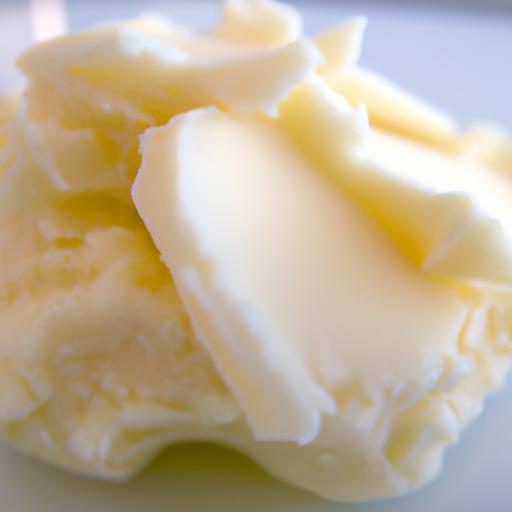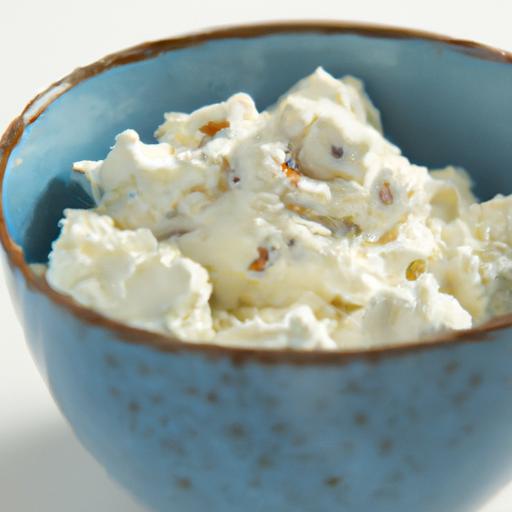

In the heart of every kitchen lies a timeless alchemy-the transformation of simple, wholesome ingredients into creamy, luscious delights that dance on the palate. The art of crafting homemade cheese and yogurt is more than a culinary process; it is a celebration of tradition, patience, and creativity. From the silky tang of freshly cultured yogurt to the rich, velvety textures of hand-crafted cheese, this journey invites you to rediscover the joys of making dairy delicacies with your own hands. Join us as we delve into the secrets, techniques, and magic that turn milk into moments of pure, creamy bliss-elevating your homemade creations from everyday sustenance to gourmet indulgence.
Crafting creamy homemade cheese & yogurt delight unveils a world where texture and flavor dance in perfect harmony. Understanding the science behind creating those luscious, silky consistencies elevates every spoonful into a decadent experience. By selecting the right ingredients and mastering gentle, purposeful techniques, you transform simple milk into rich, velvety treasures.
Prep and Cook Time
Preparation: 15 minutes | Fermentation/Rest: 6 to 12 hours | Total Time: Approx. 12 hours (mostly hands-off)
Yield
About 4 cups of creamy homemade cheese and 4 cups of fresh yogurt
Difficulty Level
Medium – Requires patience and careful attention, but approachable for confident beginners
Ingredients
- 1 gallon whole milk (preferably organic and raw or pasteurized, not ultra-pasteurized)
- 1/4 cup plain live-culture yogurt (for starter; ensure it contains active bacterial cultures)
- 1/4 teaspoon liquid rennet (optional for firmer cheese, available at natural food stores or online)
- 1 teaspoon kosher salt (more to taste)
- 1 tablespoon white vinegar or fresh lemon juice (for cheese curdling)
- Warm filtered water (for diluting rennet and adjusting temperature)
Step-by-Step Techniques for Crafting Smooth Cheese and Yogurt
- Gently heat the milk: Pour the milk into a large stainless steel pot and warm it to 110°F (43°C) over low heat. Stir occasionally with a wooden spoon to prevent scorching. Maintaining steady, gentle heat is key to encouraging smooth curd formation and starter culture activity.
- Prepare the starter: In a small bowl, combine the plain live-culture yogurt with 1/2 cup of the warm milk. Stir until fully blended. Return this mixture to the pot and stir gently but thoroughly to incorporate the cultures throughout the milk.
- Incubate the milk: Cover the pot with a clean kitchen towel and leave it in a warm environment (around 110°F) for 6 to 8 hours, or until the milk thickens to a soft custard-like consistency. For best results, place it inside an oven with the light on or a yogurt maker. This incubation period develops creamy, rich yogurt textures.
- Curdling for cheese: When ready to make cheese, gently reheat the milk-yogurt mixture to 105°F (40°C). Dilute the liquid rennet in 1/4 cup of warm filtered water, then pour it evenly into the pot. Stir slowly for 30 seconds and stop. Cover and let sit undisturbed for about 45 minutes until the curd sets and passes the clean break test (a knife inserted into the curd comes out clean).
- Cut and cook the curds: Using a long knife, cut the curd vertically and horizontally into 1-inch cubes. Slowly heat the curds to 115°F while gently stirring. This encourages whey release while keeping curds tender and preventing them from matting together.
- Separate the whey: Line a large colander with cheesecloth and carefully ladle the curds into it. Allow whey to drain naturally for 30-60 minutes. Gently fold the curds to promote even drainage and prevent clumping, ensuring a smooth final texture.
- Salt and finish the cheese: Transfer drained curds to a bowl. Incorporate the kosher salt evenly, folding gently to avoid breaking the delicate curds. For creamier results, you can add a tablespoon of heavy cream or whole milk at this stage and mix well.
- Storing and enhancing freshness: Store your homemade cheese and yogurt in airtight glass containers in the refrigerator. To maintain optimal creaminess, avoid overcrowding and consume within 5-7 days. You can sprinkle a tiny pinch of salt or a few drops of lemon juice atop upon serving for freshness revitalization.
Expert Tips for Storage and Enhancing Freshness
- Choose quality milk: The journey to creamy homemade cheese & yogurt delight begins with fresh, high-fat milk. Avoid ultra-pasteurized varieties as they inhibit curd formation.
- Maintain precise temperatures: Use a trusted digital thermometer to keep milk within exact ranges, vital for bacterial activity and curd texture.
- Patience is a virtue: The incubation and resting phases develop the silky mouthfeel and complex flavors-resist shortcuts.
- Use proper tools: Stainless steel pots, clean cheesecloth, and glass jars help preserve delicate flavors without contamination.
- Experiment with cultures: Try different yogurt starters or add probiotic capsules to customize tanginess and creaminess.
- Keep it chilled: Store dairy delights at 38°F for maximum freshness; avoid fluctuation to extend shelf life.
Serving Suggestions
Enjoy your creamy homemade cheese & yogurt delight fresh to truly savor its silky texture. Serve thick yogurt with a drizzle of honey, fresh berries, and toasted nuts for breakfast bowls that burst with contrasting textures. For cheese, plate it alongside crusty artisan bread, ripe figs, a sprinkle of cracked black pepper, and a glug of extra virgin olive oil for an elegant appetizer. Fresh herbs like chives or dill brighten the flavor, while a pinch of smoked paprika creates visual appeal and depth.
| Nutrient | Per 1/2 cup Serving |
|---|---|
| Calories | 120 kcal |
| Protein | 8 g |
| Carbohydrates | 6 g |
| Fat | 7 g |
Learn more about yogurt culture science here.
For further inspiration, check our detailed soft cheese recipe guide to expand your creamy cheese repertoire and perfect technique mastery.

Q&A
Q&A: The Art of Crafting Creamy Homemade Cheese & Yogurt Delight
Q1: Why make cheese and yogurt at home instead of buying them?
A1: Crafting your own cheese and yogurt at home transforms a simple kitchen ritual into an artistic adventure. Not only do you gain full control over ingredients-free from preservatives and artificial additives-but you also unlock the freshest, creamiest textures and flavors tailor-made to your palate. Homemade delights carry the warmth of your own hands, making every bite a personal masterpiece.
Q2: What’s the secret to achieving that perfect creamy texture?
A2: The secret lies in patience, quality ingredients, and gentle handling. Starting with whole milk or cream-rich varieties sets a luscious foundation. Slow, controlled fermentation allows friendly cultures to work their magic, developing rich textures and tangy complexity. Stirring too vigorously or rushing the process can break the curds, so embrace the art of gentle coaxing rather than force.
Q3: Which kitchen tools are essential for a successful homemade cheese and yogurt session?
A3: Your toolkit doesn’t need to be fancy, but a few essentials make a delightful difference: a heavy-bottomed pot to gently heat milk, a fine cheesecloth or muslin for straining whey, a thermometer to monitor precise temperatures, and a clean container to culture your dairy treasures. A sturdy spoon and a cozy incubator (or warm spot) complete the ensemble.
Q4: How do fermentation cultures influence flavor and health benefits?
A4: Cultures are living artisans shaping every swirl and tang. Different strains of bacteria not only bring distinct flavor profiles-from mild sweetness to bold tartness-but also nurture your gut flora thanks to their probiotic powers. Choosing your cultures thoughtfully is akin to selecting your paint palette; each creates a unique sensory and healthful experience.
Q5: Can I experiment with flavors and add-ins?
A5: Absolutely! Homemade cheese and yogurt are blank canvases craving your creativity. Mix in fresh herbs, dried fruits, honey, or subtle spices post-fermentation for a burst of flavor. Infuse your cultures with vanilla beans or lemon zest for a fresh twist. Remember, the best creations come from playful exploration-let your taste buds be the guide.
Q6: What common mistakes should I avoid as a beginner?
A6: Beginners often rush temperature checks or skip sterilization, leading to inconsistent textures or unwanted bacteria. Don’t be tempted to hasten incubation times-slow and steady wins the creamy race. Also, be mindful of milk quality; ultra-pasteurized varieties tend to resist curdling nicely. Embrace cleanliness and patience, and your efforts will be richly rewarded.
Q7: How long can homemade cheese and yogurt be stored?
A7: When kept refrigerated in airtight containers, fresh homemade yogurt usually stays delicious for up to two weeks, while soft cheeses can last about one week. Always trust your senses-if you detect off smells or unusual textures, it’s time to savor a new batch. Freshness is part of the charm, encouraging regular indulgence in your creamy creations.
Q8: Is homemade cheese and yogurt more sustainable?
A8: Indeed! Making your own cheese and yogurt reduces packaging waste and often encourages sourcing milk locally, decreasing your carbon hoofprint. It’s a mindful practice connecting you to seasonality and the origins of your food, turning everyday dairy into a sustainable celebration of taste and tradition.
Explore the creamy art at home and turn your kitchen into a gallery of delectable, handcrafted delights. Each batch is more than food-it’s a crafted story filled with passion, flavor, and a touch of magic.
Closing Remarks
In the timeless dance of milk and culture, crafting creamy homemade cheese and yogurt emerges as both an art and a joyful science. Each batch tells a story-of patience, of transformation, and of simple ingredients elevated to something extraordinary. As you embark on your own dairy adventures, remember that the true delight lies not just in the final creamy swirl or rich slice, but in the hands-on journey of creation itself. So gather your tools, embrace the process, and let your kitchen become a canvas where tradition meets innovation, one luscious spoonful at a time.