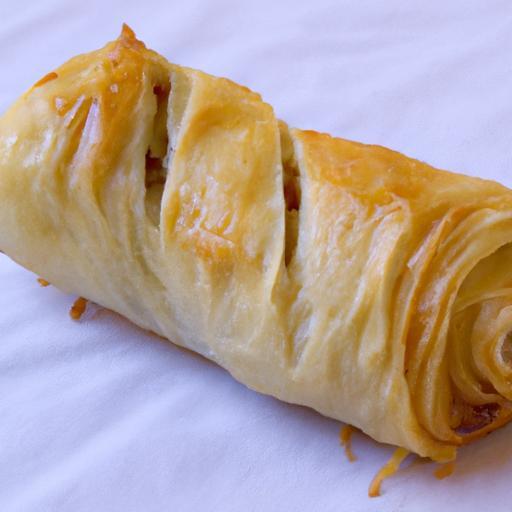

In the vibrant world of Turkish cuisine, where every dish tells a story steeped in history and tradition, one pastry stands out as a delicate masterpiece: Rose Borek. Like a garden in full bloom, this elegant pastry captures the imagination with its intricate folds and fragrant fillings, transforming simple ingredients into a visual and culinary delight. The Art of Rose Borek is more than just a recipe; it is a celebration of creativity, patience, and cultural heritage, unfolding petal by petal to reveal the timeless charm of Turkey’s beloved rose-shaped pastry bloom. Join us as we explore the origins, craftsmanship, and irresistible allure of this edible flower that continues to enchant taste buds around the world.
History and Cultural Significance Behind Rose Borek
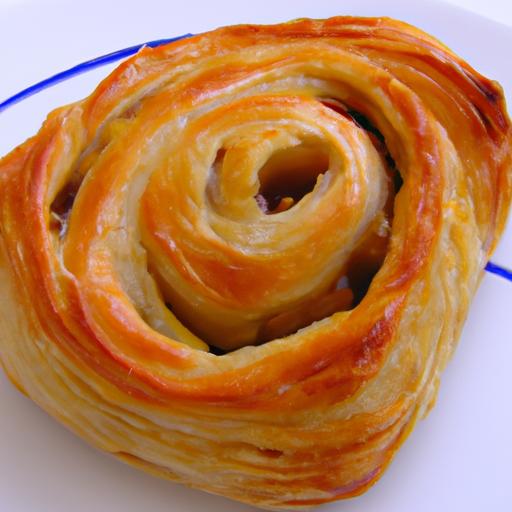
The Art of Rose Borek is a radiant expression of Turkey’s rich culinary heritage, embodying a fusion of artistry and flavor that transcends ordinary pastries. Originating from Ottoman palace kitchens, rose borek has long been admired for its delicate, rose-shaped form that symbolizes hospitality, celebration, and the poetic beauty of nature. This elegant pastry, often prepared during special occasions and family gatherings, reflects centuries of tradition where meticulous craftsmanship meets warm conviviality. Each rose-shaped coil tells a story of regional spice blends and seasonal fresh herbs, uniting communities around a shared table and a love for exquisite taste.
Prep and Cook Time
- Prep Time: 45 minutes
- Cook Time: 25 minutes
- Total Time: 1 hour 10 minutes
Yield
About 12 individual rose borek pastries
Difficulty Level
Medium – ideal for home cooks ready to embrace elegant shaping techniques
Ingredients
- 1 package of phyllo dough (approx. 16 sheets), thawed
- 1 cup feta cheese, crumbled
- 1/2 cup ricotta cheese
- 1/4 cup finely chopped fresh parsley
- 1/4 cup finely chopped fresh dill
- 1 medium onion, finely diced
- 2 tablespoons olive oil
- 1/2 teaspoon black pepper
- 1/4 teaspoon red pepper flakes (optional)
- 100g unsalted butter, melted
- 1 large egg, beaten (for egg wash)
Instructions
- Prepare the filling: Heat olive oil in a pan over medium heat. Sauté finely diced onions until translucent and golden, about 5 minutes, stirring occasionally to prevent sticking. Remove from heat and let cool.
- Mix cheeses and herbs: In a mixing bowl, combine crumbled feta, ricotta, sautéed onions, parsley, dill, black pepper, and red pepper flakes. Stir gently until blended but not overmixed to maintain texture.
- Prepare phyllo sheets: Place one sheet of phyllo on a clean, dry surface and brush evenly with melted butter. Layer a second sheet on top and brush again. Cut the layered sheets lengthwise into 3-4 inch wide strips.
- Shape the roses: Spoon about a tablespoon of filling along one edge of a phyllo strip. Gently roll the strip lengthwise, then coil the roll into a rose shape, tucking the end underneath to secure.
- Place on baking tray: Arrange each rose-shaped borek on a parchment-lined baking sheet, spacing them evenly. Brush tops lightly with the beaten egg to encourage browning.
- Bake: Preheat your oven to 350°F (175°C). Bake the rose borek for 20-25 minutes or until golden brown and crisp, rotating the tray halfway through to ensure even baking.
- Cool and serve: Allow to cool slightly on a wire rack before serving, highlighting the intricate petals and savory filling.
Expert Tips for Presenting Rose Borek as an Elegant Centerpiece
The Art of Rose Borek is not just about taste but also visual charm. Present these pastries on a dark wooden or slate platter to emphasize their golden hue and intricate shape. Garnish with fresh herb sprigs like dill or parsley for a pop of green. Serve alongside tangy yogurt dips infused with mint or garlic to balance the richness. For an elevated centerpiece, arrange rose borek in concentric circles, replicating a blooming garden, enhancing both the elegance and thematic appeal.
Flavor Pairings and Fillings That Elevate Rose Borek to Gourmet Status
Traditional feta and herbs offer a classic base, but experimenting with luxurious fillings such as goat cheese with sun-dried tomatoes, caramelized leek with gruyère, or spiced lamb with pine nuts can transform rose borek into a gourmet delight. Sweet versions with ricotta and orange zest or pistachio and honey also invite intriguing dessert options. Pair these bites with Turkish black tea or light-bodied wines for an authentic sensory journey.
Chef’s Notes
- For crispier borek, ensure phyllo layers are well buttered but not overly soaked to prevent sogginess.
- Fresh herbs are key – substitute with mint, oregano, or chives based on seasonal availability or preference.
- Make-ahead tip: Shape the rose borek and refrigerate before baking; allow about 10 extra minutes baking time if baking straight from fridge.
- Handle phyllo with care to avoid tearing; cover unused sheets with a damp towel to keep moist during assembly.
Serving Suggestions
Serve rose borek warm or at room temperature alongside a simple green salad, pickled vegetables, or a lightly dressed cucumber yogurt salad (cacık) to balance richness. A sprinkle of sumac or a drizzle of pomegranate molasses over the top adds brightness and visual intrigue. Perfect as an appetizer, brunch highlight, or elegant party finger food.
| Nutritional Info (per serving) | Calories | Protein | Carbs | Fat |
|---|---|---|---|---|
| Rose Borek | 210 kcal | 7 g | 18 g | 12 g |
Discover more authentic Turkish pastries to expand your culinary repertoire.
For a deeper dive into Turkey’s culinary history, visit Encyclopaedia Britannica on Turkish Cuisine.

Q&A
Q&A: The Art of Rose Borek – Turkey’s Elegant Pastry Bloom
Q1: What exactly is Rose Borek?
A1: Rose Borek is a visually stunning Turkish pastry that blossoms like a delicate flower on your plate. Crafted from layers of thin, flaky phyllo dough, it is meticulously shaped into rose-like spirals and stuffed with a variety of sweet or savory fillings. This pastry is a true marriage of artistry and flavor, embodying Turkey’s rich culinary heritage.
Q2: How did Rose Borek get its name?
A2: The name “Rose Borek” comes from its signature appearance-the pastry resembles a blooming rose. “Borek” is a traditional Turkish term for filled pastries, and “rose” highlights the elegant spiral shape that mimics the soft petals of the flower, making it as much a feast for the eyes as for the palate.
Q3: What are the typical fillings used in Rose Borek?
A3: Rose Borek fillings range from savory cheeses and spinach to spiced ground meats like lamb or beef. Sweet versions often contain nuts such as pistachios or walnuts, combined with fragrant honey or rosewater-infused sugar syrup, adding layers of complexity to each bite.
Q4: What makes the preparation of Rose Borek so special?
A4: The art of Rose Borek lies in its delicate folding and rolling technique, where each thin sheet of phyllo dough is brushed with butter and then carefully rolled around the filling to form petal-like spirals. The process demands patience and precision, transforming simple ingredients into a culinary masterpiece.
Q5: How is Rose Borek traditionally served?
A5: Traditionally, Rose Borek is served warm as part of a breakfast spread, alongside Turkish tea, or as an appetizer at festive gatherings. Its captivating shape and irresistible aroma make it a centerpiece that invites sharing and celebration.
Q6: Can Rose Borek be adapted for modern tastes?
A6: Absolutely! Contemporary chefs experiment with diverse fillings like roasted vegetables, feta and herbs, or even sweet fruit preserves, infusing Rose Borek with international flavors while respecting its traditional elegance. Vegan and gluten-free versions are also on the rise, making this flower of Turkish cuisine accessible to all.
Q7: Why has Rose Borek gained popularity beyond Turkey?
A7: Rose Borek’s universal appeal lies in its enchanting presentation and versatile taste profiles. In today’s global food culture, its blend of craftsmanship, cultural story, and mouthwatering textures has captivated food lovers and home cooks alike, making it a beloved treat well beyond Turkish borders.
Q8: What cultural significance does Rose Borek hold in Turkish cuisine?
A8: Beyond its deliciousness, Rose Borek symbolizes hospitality, artistry, and tradition. It represents the importance of gatherings, sharing food, and the pride taken in kitchen craftsmanship. Each rose-shaped pastry tells a story of heritage passed down through generations, blooming anew every time it’s made.
Whether savored in a bustling Istanbul market or recreated in a home kitchen, Rose Borek remains a timeless pastry bloom-an edible rose that celebrates Turkey’s elegant culinary artistry.
The Conclusion
As the delicate layers of rose borek reveal their buttery petals, we glimpse more than just a pastry-we encounter a timeless tradition woven into Turkey’s rich culinary tapestry. This elegant bloom, with its harmonious blend of textures and flavors, transcends mere sustenance to become an edible work of art. Whether shared among family or savored in quiet moments, rose borek invites us to appreciate the beauty found in craftsmanship, culture, and celebration. In every fold lies a story, and in every bite, a connection to Turkey’s enduring love for both flavor and artistry.