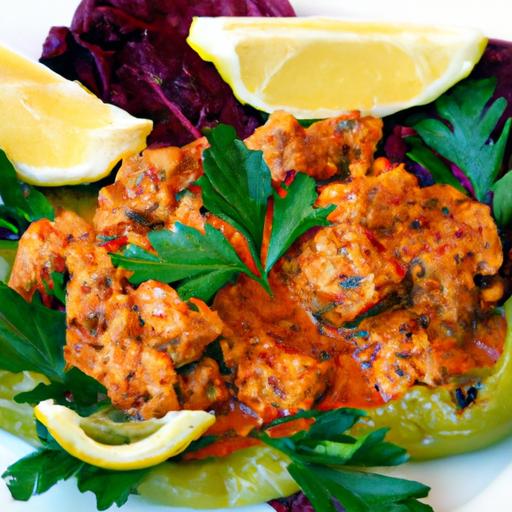

Imagine a culinary adventure where every bite tells a captivating story-one seasoned with history, culture, and an abundance of fresh, vibrant ingredients. Welcome to Turkish cuisine, a delicious tapestry woven from the Mediterranean, Middle Eastern, and Central Asian flavors. Beyond its irresistible taste, Turkish food offers a holistic approach to nourishment that has been cherished for centuries. In this article, we embark on a tasty journey to discover how traditional Turkish dishes not only tantalize the palate but also promote healthy eating habits, blending time-honored recipes with nature’s finest gifts. Join us as we explore the secrets behind Turkey’s vibrant flavors and uncover why this ancient cuisine continues to inspire both food lovers and wellness enthusiasts around the world.
Turkish Food offers an extraordinary opportunity to immerse yourself in a tapestry of vibrant flavors, fresh ingredients, and centuries-old culinary traditions that celebrate health and indulgence in perfect harmony. One dish that beautifully embodies this spirit is the iconic Imam Bayildi, a luscious stuffed eggplant simmered in rich tomato sauce and fragrant herbs. Originating from the Ottoman era, this vegetarian delight not only captures the essence of Turkish Food but also offers a wholesome nutritional profile that’s deeply satisfying and nourishing.
Prep and Cook Time
Prep Time: 20 minutes
Cook Time: 40 minutes
Total Time: 1 hour
Yield
Serves 4 generously
Difficulty Level
Medium – Ideal for cooks comfortable with sautéing and oven-baking
Ingredients
- 2 medium eggplants, halved lengthwise
- 4 tablespoons olive oil, divided
- 1 large onion, thinly sliced
- 4 garlic cloves, minced
- 3 ripe tomatoes, diced
- 1 tablespoon tomato paste
- 1 teaspoon sugar
- 1 teaspoon ground cumin
- Salt and black pepper to taste
- 1/2 cup chopped fresh parsley
- Juice of half a lemon
- Water as needed
- Optional garnish: chopped fresh mint and pomegranate seeds
Instructions
- Prepare the eggplants: Score the flesh of each eggplant half in a diamond pattern, being careful not to pierce the skin. Sprinkle with salt and set aside for 15 minutes to draw out bitterness. Rinse and pat dry.
- Sauté eggplants: Heat 2 tablespoons of olive oil in a large skillet over medium heat. Add eggplant halves, cut side down, and cook until golden brown and tender, about 7 minutes per side. Transfer to a baking dish, cut side up.
- Cook the filling: In the same skillet, add the remaining olive oil. Sauté onions until translucent and soft, about 5-7 minutes. Stir in garlic and cook for 1 minute until fragrant. Add diced tomatoes, tomato paste, sugar, cumin, salt, and pepper. Cook for 10 minutes, stirring often until the sauce thickens. If the mixture becomes too dry, add a splash of water.
- Fill the eggplants: Spoon the tomato-onion mixture generously into the cavities of the eggplants. Drizzle lemon juice over the top.
- Bake: Cover the baking dish tightly with foil and bake in a preheated 180°C (350°F) oven for 25 minutes. Remove foil and bake another 5 minutes to allow the top to caramelize slightly.
- Garnish and serve: Once baked, sprinkle with fresh parsley, optional mint, and pomegranate seeds for a festive touch. Serve warm or at room temperature.
Chef’s Notes and Tips for Success
- Eggplants: Choose firm, medium-sized eggplants for best texture. Salting and rinsing is crucial to avoid bitterness and ensure a silky final mouthfeel.
- Cooking method alternative: For a lighter version, try roasting the eggplants instead of pan-frying.
- Make-ahead: Imam Bayildi tastes even better the next day as flavors meld. Reheat gently in the oven or serve cold as a mezze.
- Flavor boost: Add a pinch of smoked paprika or a few thin slices of chili for a subtle heat variation.
Serving Suggestions
Imam Bayildi pairs beautifully with a side of crusty Turkish bread or bulgur pilaf to soak up the rich sauce. Accompany with a fresh shepherd’s salad of cucumber, tomato, onion, and mint, dressed simply with lemon and olive oil. For a complete Turkish-inspired table, serve alongside Cacik (Turkish Yogurt Cucumber Salad) to provide a refreshing counterbalance. Garnish the dish with fresh herbs and a sprinkle of pomegranate seeds for vibrant color and a juicy burst in every bite.

| Nutrient | Amount per serving |
|---|---|
| Calories | 210 kcal |
| Protein | 4 g |
| Carbohydrates | 18 g |
| Fat | 14 g (primarily from olive oil) |
Explore the depth of flavors and healthful benefits in this classic that perfectly epitomizes Turkish Food – a culinary journey that is as nourishing as it is unforgettable.
For further insights into wholesome Mediterranean diets, Healthline’s guide to Mediterranean eating is an excellent resource.
Q&A
Q&A: Turkish Food – A Tasty Journey to Healthy Eating?
Q1: What makes Turkish cuisine unique compared to other Mediterranean diets?
A1: Turkish cuisine boasts a rich tapestry of flavors influenced by centuries of cultural fusion-from Ottoman royal kitchens to local village recipes. Unlike many Mediterranean diets that focus heavily on seafood and olive oil, Turkish food offers a unique blend of fresh vegetables, aromatic spices, legumes, and lean meats, all harmonized in dishes like mezes, kebabs, and hearty stews. Its uniqueness lies in balancing indulgence and nutrition, often using seasonal, locally sourced ingredients.
Q2: Is Turkish food really healthy?
A2: Absolutely! Turkish cuisine emphasizes fresh produce, whole grains, yogurt, nuts, and olive oil-ingredients known for their health benefits. Traditional dishes like lentil soup, eggplant-based recipes, and grilled fish are nutrient-packed and low in unhealthy fats. The use of spices such as cumin, sumac, and mint not only enhances flavor but also contributes antioxidant properties. Portion sizes tend to be moderate, and communal dining encourages mindful eating.
Q3: Are there common misconceptions about Turkish food’s healthiness?
A3: Yes, some people mistakenly associate Turkish food only with heavy, meat-laden kebabs or deep-fried snacks. While these exist, they are just a fraction of the vast culinary landscape. Many dishes focus on vegetables, legumes, and fermented foods, which promote gut health and balanced nutrition. The trick lies in choosing seasonal and traditional dishes over fast-food versions.
Q4: How does Turkish breakfast contribute to a balanced diet?
A4: Turkish breakfast, or ‘kahvaltı,’ is often a colorful, hearty affair featuring fresh tomatoes, cucumbers, olives, cheeses, honey, and eggs. It’s accompanied by whole-grain bread and herbal teas. This diverse spread offers a perfect combination of protein, fiber, and antioxidants, fueling the body for the day ahead without excess calories.
Q5: Can Turkish desserts be part of a healthy diet?
A5: Yes, if enjoyed mindfully! Turkish desserts like fresh fruit, tahini-based sweets, or small servings of baklava incorporate natural ingredients such as nuts, honey, and tahini. While some desserts are rich in sugar, the traditional approach favors moderation and sharing, which helps keep indulgence balanced within a healthy lifestyle.
Q6: How can someone new to Turkish cuisine start their healthy eating journey?
A6: Begin with fresh, simple dishes-try a bowl of mercimek çorbası (red lentil soup), a meze platter with hummus, stuffed grape leaves, and grilled vegetables, followed by grilled fish or chicken kebabs with a side of bulgur pilaf. Incorporate Turkish yogurt with a drizzle of honey or nuts for snacks. Experimenting with different herbs and spices will also enliven meals without added salt or fat.
Q7: What cultural values around food contribute to the healthfulness of Turkish cuisine?
A7: Turkish culture places great importance on sharing meals and savoring flavors slowly with family and friends. This social aspect encourages smaller portions and attentive eating. Seasonal eating and traditional cooking methods preserve nutrients and natural tastes, fostering a deep connection between food, health, and community.
Q8: Why is exploring Turkish cuisine a journey worth taking for health-conscious food lovers?
A8: Because it’s a delicious invitation to nourish your body while delighting your senses. Turkish food offers a vibrant, diverse palette that celebrates natural ingredients and time-honored recipes-perfect for anyone seeking a balanced diet without sacrificing taste or enjoyment. It’s not just about eating well; it’s about experiencing a culture through every bite.
In Summary
As we conclude this flavorful exploration of Turkish cuisine, it becomes clear that Turkey’s culinary heritage offers more than just a feast for the senses-it presents a vibrant, wholesome approach to eating that honors both tradition and health. From the hearty grains and fresh vegetables to the expertly balanced spices and lean proteins, Turkish food invites us on a journey where taste and wellness coexist harmoniously. Whether you’re drawn by the sizzle of kebabs or the aromatic swirl of herb-infused teas, embracing Turkish food is an invitation to savor life’s richness while nourishing your body. So next time you sit down to a Turkish meal, remember you’re not just enjoying a dish-you’re partaking in a centuries-old story of health, culture, and culinary artistry.