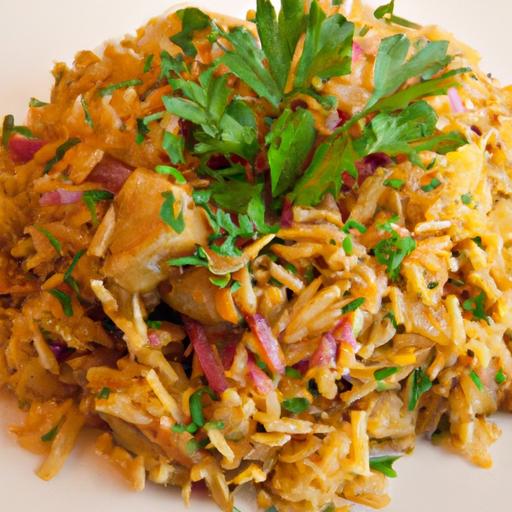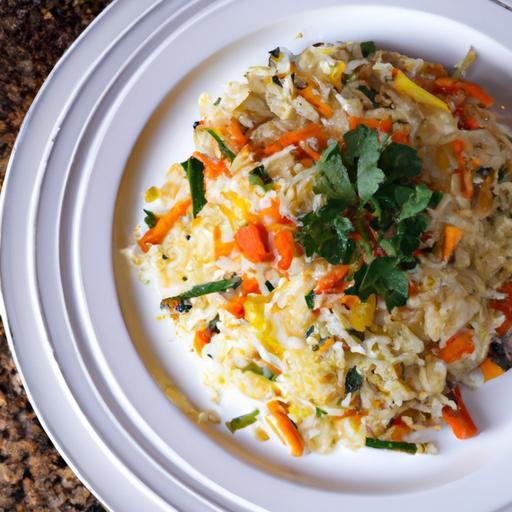

Imagine a dish where each grain is a tiny vessel, carrying a symphony of aromas and textures that dance on your palate. Pilaf, a timeless culinary treasure cherished across cultures, transforms humble rice into an extraordinary experience – but the secret to its perfection lies in selecting the right variety of rice. In this exploration, we unlock the flavors hidden within the grains, guiding you through the best rice varieties that elevate your pilaf from simple to sensational. Whether you crave a fluffy, fragrant masterpiece or a rich, nutty creation, understanding these rice choices will empower you to craft pilaf that’s nothing short of perfection.
Unlocking flavor begins with understanding the delicate balance of texture and aroma that makes a pilaf truly exceptional. Selecting the right grain texture transforms your rice from a simple side dish into a fragrant, fluffy masterpiece that captivates every sense. Whether you favor the nutty resilience of ancient grains or the tender fluffiness of modern rice varieties, the journey to perfect pilaf is as rewarding as it is flavorful.
Prep and Cook Time
Preparation: 10 minutes
Cooking: 25 minutes
Total Time: 35 minutes
Yield
Serves 4-6
Difficulty Level
Medium
Ingredients
- 1 ½ cups basmati rice, rinsed and drained
- 3 tablespoons olive oil or unsalted butter
- 1 medium onion, finely chopped
- 2 cloves garlic, minced
- 3 ¼ cups low-sodium chicken or vegetable broth
- 1 teaspoon ground cumin
- ½ teaspoon turmeric (optional for color and warmth)
- Salt and pepper to taste
- 1 bay leaf
- ¼ cup chopped fresh cilantro or parsley for garnish
Instructions
- Rinse the rice under cold water until the water runs clear. This removes excess starch, ensuring each grain stays separate and fluffy.
- Heat the olive oil or butter in a heavy-bottomed saucepan over medium heat. Add the chopped onion and sauté until translucent and just beginning to caramelize, about 5 minutes, stirring occasionally to prevent burning.
- Add the minced garlic and spices (cumin and turmeric) to the pan, stirring for 30 seconds until fragrant.
- Stir in the rinsed rice and cook gently for 2-3 minutes, coating each grain with the buttery, aromatic mixture. This step toasts the rice, deepening its flavor and preventing clumping during cooking.
- Pour in the broth carefully, then add the bay leaf, and season with salt and pepper. Bring the mixture to a gentle boil.
- Reduce heat to low, cover the saucepan tightly with a lid, and simmer for 15-18 minutes without stirring. Avoid lifting the lid to maintain steam.
- Turn off the heat and let the rice rest for 10 minutes. This allows each grain to firm up and absorb residual moisture evenly.
- Fluff the pilaf gently with a fork, removing the bay leaf, and garnish with freshly chopped cilantro or parsley before serving.
Tips for Success
- Choosing aromatic rice varieties: Basmati’s long grains deliver fluffy, fragrant pilaf. For nuttier textures, try ancient grains like black forbidden rice or brown basmati.
- Grain texture matters: Rinsing and toasting are crucial steps that create the ideal fluffy texture by reducing surface starch and enhancing flavor complexity.
- Liquid ratio: Use a slightly less than 2:1 broth-to-rice ratio for perfect absorption without sogginess.
- Make-ahead: Cool leftover pilaf and store in the fridge. Reheat with a sprinkle of water to refresh its fluffiness.
- Substitutions: Use vegetable broth to keep it vegetarian or swap butter for coconut oil for a subtle tropical hint.
- Troubleshooting: If your pilaf is sticky, reduce liquid slightly next time and avoid stirring during cooking to maintain fluffy separation.
Serving Suggestions
This pilaf pairs exquisitely with grilled meats, roasted vegetables, or as a hearty base for stir-fried greens and legumes. Elevate presentation by topping with toasted nuts like slivered almonds or pine nuts for crunch. A light squeeze of fresh lemon or a sprinkle of pomegranate seeds adds bursts of brightness that contrast beautifully with the warm, aromatic grains.

| Nutrient | Amount (per serving) |
|---|---|
| Calories | 220 kcal |
| Protein | 5 g |
| Carbohydrates | 45 g |
| Fat | 7 g |
Discover more about selecting perfect grains in our complete guide to fluffy pilaf. For further nutritional insights into ancient rice varieties, explore this expert analysis from the National Institutes of Health.
Q&A
Q&A: Unlocking Flavor – Best Rice Varieties for Perfect Pilaf
Q1: What makes pilaf rice different from regular steamed rice?
A1: Pilaf rice is all about texture and flavor harmony. Unlike plain steamed rice, pilaf involves sautéing the grains in fat before cooking them in a seasoned broth. This technique keeps the grains separate, tender, and infused with rich, aromatic notes-turning simple rice into a flavor-packed masterpiece.
Q2: Which rice varieties are best suited for crafting the perfect pilaf?
A2: The magic lies in medium- to long-grain rice varieties that hold their shape and absorb flavors without turning mushy. Favorites include Basmati, Jasmine, and Arborio. Basmati offers a nutty fragrance and fluffy texture, Jasmine brings a delicate floral aroma, while Arborio lends a creamy bite often ideal for risotto-style pilafs.
Q3: Can I use short-grain rice for pilaf?
A3: Short-grain rice isn’t the best choice for traditional pilaf because it tends to stick together and become creamy when cooked. Pilaf thrives on distinct, fluffy grains that don’t clump, so medium- or long-grain varieties are preferred to unlock that perfect, fluffy texture.
Q4: How does the cooking method affect the choice of rice for pilaf?
A4: Since pilaf involves first toasting the rice and then simmering it in broth, you need varieties that won’t break down easily. Noble grains like Basmati or Jasmine withstand this gentle roasting and absorbing process, ensuring each grain remains plump and separate, soaking up flavor without losing its structure.
Q5: Are there any lesser-known rice varieties worth trying for pilaf?
A5: Absolutely! Try Camargue Red rice for a nutty flavor and beautiful color, or Carnaroli for a pilaf that borders on creamy indulgence. Wild rice blends can add a rustic crunch and earthy notes-perfect for adventurous palates seeking texture and flavor twists.
Q6: Can you share a quick tip to elevate pilaf flavor, regardless of rice variety?
A6: Toast your rice grains until they’re golden before adding broth. This little step deepens the flavor and adds a warm, nutty undertone that transforms humble rice into a gourmet experience-like unlocking a secret flavor vault with every bite.
Q7: How important is the broth choice for pilaf?
A7: Broth is the soul of your pilaf. Using rich, homemade chicken, vegetable, or beef broth instead of water infuses every grain with savory goodness. The rice absorbs these flavors, creating a vibrant, aromatic dish that’s anything but ordinary.
Q8: What about gluten-free or special dietary needs when choosing pilaf rice?
A8: The good news is that all rice varieties suitable for pilaf-Basmati, Jasmine, Arborio-are naturally gluten-free. This makes pilaf an excellent versatile choice for those with gluten sensitivities or celiac disease without sacrificing flavor or texture.
Unlocking the perfect pilaf is a delightful journey through rice varieties and cooking techniques. The right grain, paired with flavorful broth and mindful preparation, transforms a humble grain into a captivating culinary treasure. Happy pilaf crafting!
Future Outlook
As the grains settle and your pilaf steams to perfection, it’s clear that choosing the right rice is more than a mere detail-it’s the very heart of unlocking flavor. From the fragrant embrace of Basmati to the tender fluffiness of Jasmine, each variety brings its own personality to the dish, transforming simple ingredients into a symphony of taste and texture. Whether you crave a pilaf that’s light and airy or rich and hearty, the key lies in understanding your rice. So next time you embark on this culinary journey, let your rice choice be your secret ingredient-because in the quest for perfect pilaf, every grain counts.