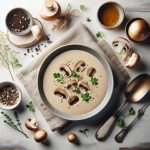

When it comes to fresh herbs, most of us reach for the fragrant leaves, delicately tearing or chopping them to elevate our dishes. But what if the often-overlooked stems hold the secret to unlocking even deeper layers of flavor? These sturdy, vibrant stalks-usually destined for the compost bin-are brimming with aromatic oils and bright notes that can transform your cooking in unexpected ways. In this article, we’ll explore creative, resourceful techniques to harness the full potential of herb stems, turning what many consider scraps into culinary treasures. Get ready to rethink your herb use and discover a new dimension of taste that’s waiting just beneath the surface.
Elevate Your Cooking with the Bold Flavors of Herb Stems
Unlocking Flavor: Creative Ways to Use Herb Stems in Cooking opens a world where nothing goes to waste and every element of your herbs contributes to unforgettable dishes. Often discarded, herb stems harbor intense, fragrant oils that can transform broths, sauces, and condiments with vibrant character and depth. Inspired by generations of resourceful cooks and modern culinary innovators, this approach showcases how to extract maximum aromatic potential, making your kitchen creations sing with freshness and complexity.
Prep and Cook Time
- Preparation: 10 minutes
- Cooking: 20-30 minutes (depending on recipe)
- Total Time: 30-40 minutes
Yield
- Approximately 1 cup pesto or chimichurri (serves 4 as a condiment)
- Broth infusion: serves 4-6 depending on recipe volume
Difficulty Level
- Easy to Medium – Perfect for adventurous cooks eager to explore new herb uses
Ingredients
- 1 cup fresh parsley stems (washed and roughly chopped)
- 1/2 cup fresh cilantro stems (washed and roughly chopped)
- 1/4 cup fresh basil stems (optional for floral notes)
- 2 cloves garlic (minced)
- 1/4 cup toasted pine nuts or walnuts
- 1/2 cup extra virgin olive oil
- 2 tablespoons fresh lemon juice
- 1/4 teaspoon sea salt
- Freshly ground black pepper to taste
- 1 teaspoon red chili flakes (optional for heat)
- 4 cups vegetable or chicken broth (for infusing herb stem broth)
Instructions
- Prepare your herb stems: Before cooking, thoroughly rinse all herb stems to remove dirt and grit. Chop coarsely to release oils and aroma.
- Create the herb stem broth infusion: In a medium saucepan, bring the 4 cups of broth to a gentle simmer. Add the chopped herb stems along with 1 minced garlic clove. Simmer gently for 20 minutes to extract robust herbaceous notes. Strain and reserve broth to use as a flavorful base for soups or risottos.
- Make the stem pesto or chimichurri: In a food processor, combine parsley stems, cilantro stems, basil stems, remaining garlic, pine nuts, lemon juice, salt, pepper, and red chili flakes if using. Pulse until finely chopped but still textured.
- Slowly drizzle olive oil into the mixture while pulsing until a vibrant, emulsified sauce forms. Taste and adjust seasoning according to preference.
- Store or serve: Transfer pesto or chimichurri to a jar. It keeps well refrigerated for up to five days or can be frozen in ice cube trays for convenient, flavorful additions to any meal.
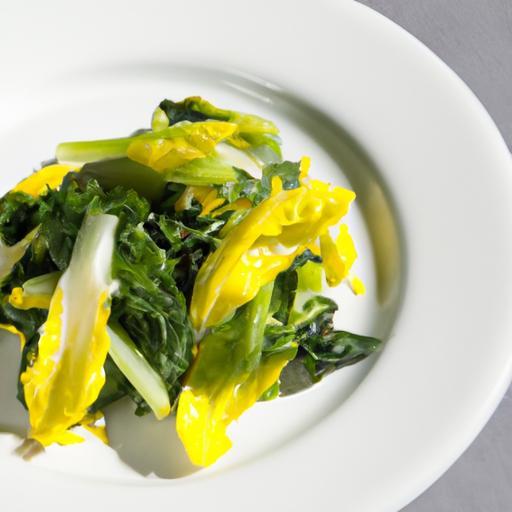
- Optional finishing touch: For a quick sauté, toss stems in olive oil and garlic until tender, then sprinkle with flaky sea salt for a bright side dish celebrating stems in their simplest form.
Chef’s Notes
- Substitutions: Feel free to swap pine nuts with almonds or sunflower seeds for varied texture and flavor.
- Storage tip: Herb stem pesto freezes beautifully; use ice cube trays for portion control and easy defrosting.
- Flavor layering: Add herb stems early in stocks or braises for gradual infusion or fold fresh stem pestos into warm grains, grilled meats, or roasted vegetables.
- Wasting not: Dried herb stems can be ground and used as a seasoning rub-try with citrus zest and sea salt for inspired seasoning blends.
- Greens and stems: Don’t hesitate to blend tender leaves and stems; it amplifies flavor and reduces waste.
Serving Suggestions
The vibrant green herb stem pesto makes a fantastic dollop on grilled fish or roasted chicken, lending brightness and depth. Try swirling the infused broth into creamy soups or vibrant vegetable stews for an aromatic lift. For a rustic platter, serve chimichurri alongside charred meats or roasted root vegetables, garnished with lemon wedges and edible flowers to celebrate the colorful notes unlocked from every leaf and stem. Sprinkle a pinch over avocado toast or warm flatbreads for a vivid appetizer or snack.

| Nutrient | Per 2 Tbsp (Pesto) |
|---|---|
| Calories | 90 |
| Protein | 2g |
| Carbohydrates | 2g |
| Fat | 8g (mostly healthy fats) |
Discover even more innovative ways to reduce waste and maximize flavor by exploring our article on Using Herb Leaves to the Fullest. For a scientific take on herb stem aromatic compounds, visit this detailed study on herb essential oils.
Q&A
Q&A: Unlocking Flavor – Creative Ways to Use Herb Stems in Cooking
Q1: Why should I bother using herb stems when cooking?
A1: Herb stems are often overlooked, but they’re flavor-packed powerhouses! While leaves get most of the glory, the stems contain concentrated oils and savory notes that can infuse your dishes with a deeper, more complex taste. Using stems reduces waste and lets you unlock layers of flavor that might otherwise be missed.
Q2: Which herb stems are best suited for cooking?
A2: Sturdier herbs with woody or fibrous stems work best. Think cilantro, parsley, rosemary, thyme, dill, and basil. Softer stems, like those from mint or chives, can also be used, but they’re more delicate and cook quickly. Avoid stems from tough or bitter herbs that may overwhelm your dish.
Q3: How do I prepare herb stems before cooking?
A3: First, rinse them to wash away any dirt or grit. For thicker, tougher stems (like rosemary), you can strip the leaves off and use the bare stems whole for infusing broths or sauces. Softer stems (like parsley or cilantro) can be chopped finely and added directly to sautés, dressings, or marinades.
Q4: What are some creative ways to incorporate herb stems into recipes?
A4: Here are a few ideas:
- Flavorful Stock Base: Toss bunches of herb stems into your vegetable, chicken, or beef stock to amplify aroma and depth.
- Pesto with a Twist: Blend parsley or basil stems with leaves and other nuts/cheese for a robust, thrift-friendly pesto.
- Herb Stem Skewers: Use sturdy stems, like rosemary, as natural skewers for grilled veggies or meat-imparting subtle herbaceous notes.
- Infused Oils & Vinegars: Steep clean herb stems in olive oil or vinegar for a fragrant, personalized condiment.
- Chopped Addition: Finely chop soft stems and stir them into scrambled eggs, salads, or dressings for a hint of green goodness.
Q5: Can using herb stems affect the texture or appearance of my dish?
A5: Yes! Herb stems can add a pleasant crunch or texture if chopped finely, but larger, tougher stems may be fibrous and less enjoyable to eat. When in doubt, use them for infusions or remove before serving to keep texture smooth while still benefiting from their flavor.
Q6: How do I store herb stems until I’m ready to use them?
A6: Keep them fresh by wrapping in a damp paper towel and placing them inside a plastic bag or airtight container in the fridge. You can also freeze chopped stems in ice cube trays with a little water or oil to preserve them for future use.
Q7: Any tips to avoid bitterness when cooking with herb stems?
A7: Avoid overcooking your herb stems, especially delicate ones, as prolonged heat can release bitterness. Add them early for infusing broths or sauces, then remove stems before serving, or add chopped stems near the end of cooking for fresh, bright flavor.
Q8: Are there any unexpected herb stems that work well in dishes?
A8: Yes! Fennel fronds and stems add a mild anise flavor to soups and salads. Lemon balm stems can brighten summer drinks and desserts. Even the tough outer parts of lemongrass stalks can be bruised and simmered to infuse citrusy aroma in Asian dishes.
Unlocking the flavor potential of herb stems expands your culinary creativity, reduces waste, and brings new dimensions to everyday meals. So next time you cook, don’t toss those stems – let them tell their flavorful story!
Future Outlook
As we’ve uncovered, those often-overlooked herb stems hold a world of flavor waiting to be unleashed. From infusing broths and spicing up sautés to crafting vibrant pestos and aromatic oils, these vibrant little stalks are culinary treasures in their own right. So next time you reach for fresh herbs, remember: tossing the stems is leaving flavor-and creativity-on the cutting board. Embrace the whole herb, unlock new dimensions in your cooking, and let those humble stems elevate your dishes from ordinary to extraordinary. After all, in the kitchen, every scrap tells a story-and every stem has its moment to shine.