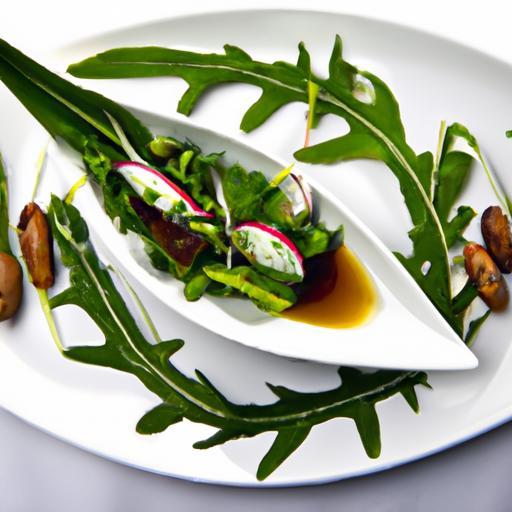

Olive oil is much more than a kitchen staple; it’s an ancient elixir that carries the essence of sun-soaked groves, the whisper of Mediterranean breezes, and centuries of tradition in every drop. Yet, beneath its golden surface lies a world of subtle complexities waiting to be discovered. Unlocking the true flavor of olive oil isn’t just about taste-it’s about understanding its story, its origins, and the delicate craftsmanship that shapes its quality. In this ultimate guide to tasting olive oil, we’ll journey beyond the bottle to teach you how to savor and evaluate this liquid gold like a connoisseur, turning every drizzle into a moment of pure, flavorful revelation.
Unlocking Flavor through olive oil tasting is a journey that awakens the senses and deepens culinary appreciation. Whether you are a seasoned chef or a passionate home cook, understanding the complex aroma and taste profiles of olive oil transforms everyday dishes into extraordinary experiences. This guide will illuminate the art of sensory evaluation, teaching you how to decode labels, master tasting techniques, and select the perfect olive oil to elevate your creations.
Prep and Cook Time
Preparation: 10 minutes
Tasting and Evaluation: 20 minutes
Yield
Serves 4-6 tasting participants
Difficulty Level
Medium – suitable for olive oil enthusiasts looking to refine their palate
Ingredients
- Extra Virgin Olive Oils: 3-5 varieties from different origins (e.g., Italy, Spain, Greece)
- Small clear tasting glasses or cups (one per sample)
- Plain bread or crackers for neutral palate cleansing
- Warm water for rinsing
- Notepad and pen for notes on aroma and taste
Instructions
- Prepare Your Environment: Choose a quiet, well-lit room free from distracting aromas. Set glasses neatly with olive oils poured at room temperature for optimal tasting expression.
- Observe the Oil: Hold the glass to the light and examine color-from golden yellow to rich green. Remember, color is influenced by variety and harvest time, not quality.
- Warm and Swirl: Cup the glass with your hands, warming the oil to release aromas. Gently swirl to aerate and open the bouquet.
- Inhale Deeply: Bring the glass close and take short, gentle sniffs. Identify top notes-perhaps fresh-cut grass, herbs, apple, or banana. Note complexity and intensity.
- Taste Mindfully: Sip a small amount and let it coat your palate. Note initial taste-fruity, bitter, pungent-and any secondary flavors such as artichoke, almond, or pepper.
- Detect Defects: Learn to identify off-flavors like rancidity, mustiness, or fustiness, which indicate lower quality or improper storage.
- Compare and Contrast: Move between samples, refreshing your palate with bread or water. Take detailed notes and rate each oil’s balance, complexity, and appeal.
- Decipher Labels and Certifications: Review origin labels and quality seals (PDO, PGI, organic). These indicators help trace olive oil authenticity and excellence for pairing decisions.
- Pair and Celebrate: Use your new expertise to match oils with dishes-robust peppery oils for grilled meats, delicate fruity varieties for salads and cheeses.
Chef’s Notes
- Use a Clean Palate: Avoid flavored foods or strong spices before tasting to prevent bias.
- Temperature Matters: Olive oil’s aromas blossom fully at about 27°C (80°F); do not taste it cold.
- Experiment: Try oils from different cultivars and harvests to discover your preferred profiles.
- Storage Tips: Keep oils in dark bottles away from heat and light to maintain freshness for your next tasting session.
- Make Notes: Develop your personal flavor vocabulary by journaling each tasting experience.
Serving Suggestions
Present your olive oil tasting flight on a wooden board or marble slab with accompanying artisanal bread, fresh vegetables, and mild cheeses to showcase the oils’ versatility. Garnish with fresh herbs like rosemary or basil to inspire flavor pairing ideas. For a curated experience, pair each oil with a small dish-think bruschetta with fresh tomato for peppery oils or whipped ricotta for buttery varieties-to fully appreciate their culinary potential.
| Olive Oil Characteristic | Flavor Profile | Recommended Pairings |
|---|---|---|
| Fruity and Mild | Fresh apple, almond, sweet grass | Salads, seafood, soft cheeses |
| Herbaceous and Robust | Artichoke, green tomato, fresh herbs | Grilled vegetables, rustic bread, white meats |
| Pungent and Peppery | Black pepper, chili heat, bitter almond | Roasted meats, hearty soups, aged cheeses |
Explore more about pairing olive oils and expand your culinary horizons. For scientific insights into olive oil chemistry, visit the International Olive Council’s Quality Section.

Q&A
Q&A: Unlocking Flavor – The Ultimate Guide to Tasting Olive Oil Quality
Q1: Why does tasting olive oil matter?
A: Tasting olive oil transforms cooking from a routine into a sensory adventure. Beyond just a fat, olive oil is a vibrant elixir packed with nuanced flavors and health benefits. Tasting helps you appreciate its complex aroma, detect freshness, and choose the perfect oil to elevate your dishes.
Q2: What should I look for in high-quality olive oil?
A: Quality olive oil dazzles with a balance of fruity, bitter, and peppery notes. It smells fresh-think green grass, tomato leaves, or ripe olives-and tastes lively on the palate with hints ranging from buttery to grassy, sometimes with a spicy kick at the end. Avoid oils that taste rancid, musty, or flat.
Q3: How do I prepare for a proper olive oil tasting?
A: Start with clean, neutral glass cups or small bowls, and serve the oil at room temperature (around 60-70°F or 15-21°C). Use a dark glass or cover the oil to hide its color so you focus solely on aroma and taste. Warm the oil gently by cupping the glass in your hands, then inhale deeply before tasting.
Q4: What’s the best way to taste olive oil?
A: Take a small sip, letting the oil coat your tongue. Then, gently suck in a bit of air to release its flavors-this “slurping” aerates the oil, unlocking hidden layers. Pay attention to the initial taste, mid-palate flavors, and the peppery or bitter finish that indicates freshness and antioxidants.
Q5: Can olive oil flavors vary widely?
A: Absolutely! Olive oil’s flavor is a living expression of its variety, terroir, and harvest time. Early harvest oils often have intense, green notes and a robust pepperiness, while later harvest oils may be softer, fruitier, and smoother. Each bottle tells a story of its place and moment in the season.
Q6: How do I store olive oil to keep it tasting fresh?
A: Keep olive oil away from light, heat, and air. Store it in a cool, dark cupboard in a tightly sealed, dark glass bottle. Avoid plastic containers or exposure to sunlight, which can degrade flavor and cause rancidity. Freshness is fleeting-try to consume olive oil within 6 months of opening.
Q7: Is there a difference between “extra virgin” and other olive oils when tasting?
A: Yes. Extra virgin olive oil (EVOO) is the highest grade, made by cold pressing without chemicals. It retains the olive’s natural flavors, aromas, and healthful properties. Refined or lampante oils lack these vibrant qualities and taste bland or off. When tasting, EVOO shines brightest with clarity and complexity.
Q8: How can I use tasting knowledge in cooking?
A: Understanding flavor profiles helps you match olive oil to recipes-peppery oils complement grilled meats and bold salads; fruity, mellow oils enhance delicate fish and vegetables. Use tasting as a culinary compass to layer flavors, elevate dishes, and create unforgettable meals.
Unlock the secrets of olive oil with each sip. Your palate will thank you, and your meals will never be the same!
Final Thoughts
As you embark on your journey to truly savor olive oil, remember that quality is more than just a label-it’s a symphony of flavors waiting to be discovered with each careful sip and swirl. By honing your palate and understanding the nuances of aroma, bitterness, and peppery finish, you unlock a world where olive oil transcends its role as a simple ingredient and becomes a vibrant expression of terroir, tradition, and craftsmanship. Let this guide be your compass in a flavorful adventure, inviting you to taste olive oil not just as a condiment, but as an experience-one drop at a time. Your palate is ready; the treasure is in your glass. Cheers to unlocking true flavor!