
Silky smooth, luxuriously creamy, and bursting with vibrant flavors-hummus is more than just a dip; it’s an experience. Yet, achieving that perfect, velvety texture can feel like an elusive culinary art. Fear not! In this ultimate guide, we’re unlocking the secrets behind creamy hummus that glides effortlessly on your palate. From ingredient secrets to blending techniques, we’ll explore how to transform humble chickpeas into a luscious masterpiece that elevates every meal, snack, and gathering. Prepare to dip, spread, and savor your way to hummus heaven-your taste buds will thank you.
Unlocking silkiness in your hummus starts with choosing the right chickpeas – a crucial foundation for achieving that coveted creamy texture. Opt for high-quality, organic dried chickpeas; their firmer skins and richer starch content yield a smoother blend compared to canned varieties. Soaking them overnight softens their fibers, while gentle simmering ensures a tender yet intact pulse ready to transform into luscious hummus.
The Art of Selecting and Preparing Chickpeas for Ultimate Creaminess
Begin by rinsing your chickpeas thoroughly, then soak them in ample water for 12 to 24 hours. This prolonged soaking not only reduces cooking time but also helps unlock a tender crumb that blends elegantly. To achieve that silky smooth finish, add a pinch of baking soda during cooking – it softens the skins and accelerates the breakdown process, making your purée irresistibly velvety.
Prep and Cook Time
- Prep time: 12 hours 10 minutes (including soaking)
- Cook time: 1 hour 10 minutes
- Total time: 13 hours 20 minutes
Yield
- Approximately 2 cups of creamy hummus, serving 4-6 people
Difficulty Level
- Medium – requires some patience with soaking and blending, but no advanced techniques
Ingredients
- 1 cup dried organic chickpeas
- 1 teaspoon baking soda
- 1/2 cup tahini (sesame paste), well stirred
- 1/4 cup fresh lemon juice
- 2 cloves garlic, minced
- 1/2 teaspoon ground cumin
- 1 teaspoon fine sea salt
- 1/3 cup high-quality extra virgin olive oil
- Cold water, as needed for desired consistency
Instructions
- Soak and Cook Chickpeas: Rinse chickpeas and place them in a large bowl with enough water to cover by 3 inches. Soak for 12 to 24 hours, changing the water once if possible. Drain and rinse.
- Prepare for Cooking: Transfer chickpeas to a pot, add 1 teaspoon baking soda, and cover with fresh water. Bring to a boil over medium-high heat, then reduce to a gentle simmer.
- Simmer Until Tender: Cook for 60-70 minutes, skimming any foam or skins that rise to the surface. Chickpeas should be very tender and starting to fall apart.
- Cool and Drain: Drain chickpeas, reserving some cooking liquid. Let cool for 10 minutes.
- Blend Tahini and Lemon: In a food processor, combine the tahini and lemon juice. Blend for 1 minute until creamy and whipped; this step creates a fluffy base.
- Add Garlic and Spices: Add minced garlic, cumin, and salt to the whipped tahini mixture. Pulse to integrate.
- Incorporate Chickpeas: Add the cooled chickpeas in batches, blending on medium speed. Stop to scrape down the sides to ensure even blending.
- Enhance Creaminess: Slowly drizzle in olive oil and reserved cooking liquid or cold water 1 tablespoon at a time while blending. This helps emulsify the mixture, unlocking a silky texture.
- Adjust Seasonings: Taste and add more salt, lemon juice, or garlic as desired. Blend until ultra-smooth and creamy, scraping the bowl as needed.
- Rest for Flavor Development: Transfer hummus to a bowl and let it rest at room temperature for 30 minutes to meld flavors before serving.
Tips for Success
- Use Fresh Ingredients: Fresh lemon juice and high-quality tahini are key for vibrant flavor and ideal consistency.
- Water Wisely: Add reserved cooking water in small amounts to control texture without diluting the rich taste.
- Patience Pays Off: Allow resting time for hummus as flavors harmonize beautifully, improving depth and silkiness.
- Alternative Blending Tools: A high-speed blender yields the best creaminess; however, a strong food processor can also achieve excellent results with extra blending.
- Make-Ahead Storage: Store hummus in an airtight container in the refrigerator for up to 4 days. Bring to room temperature before serving and stir to re-emulsify.
Serving Suggestions
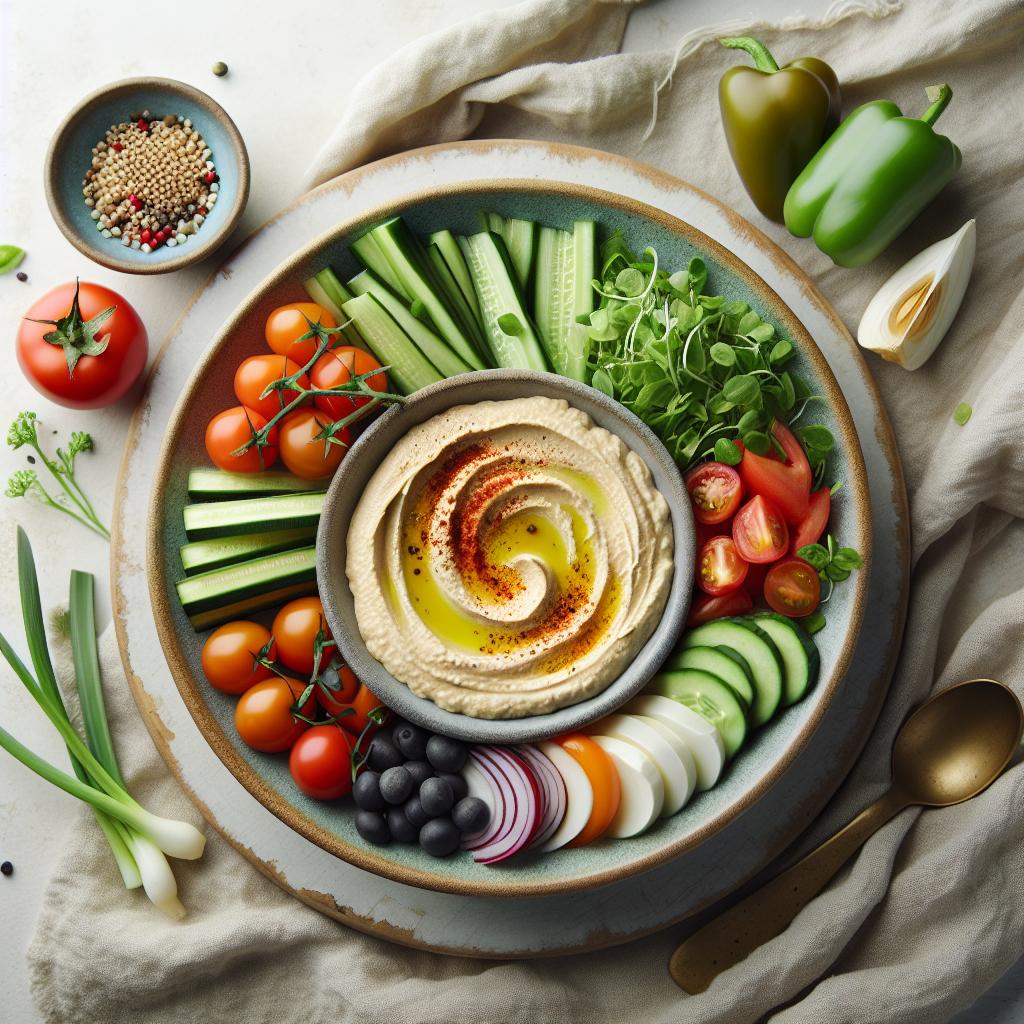
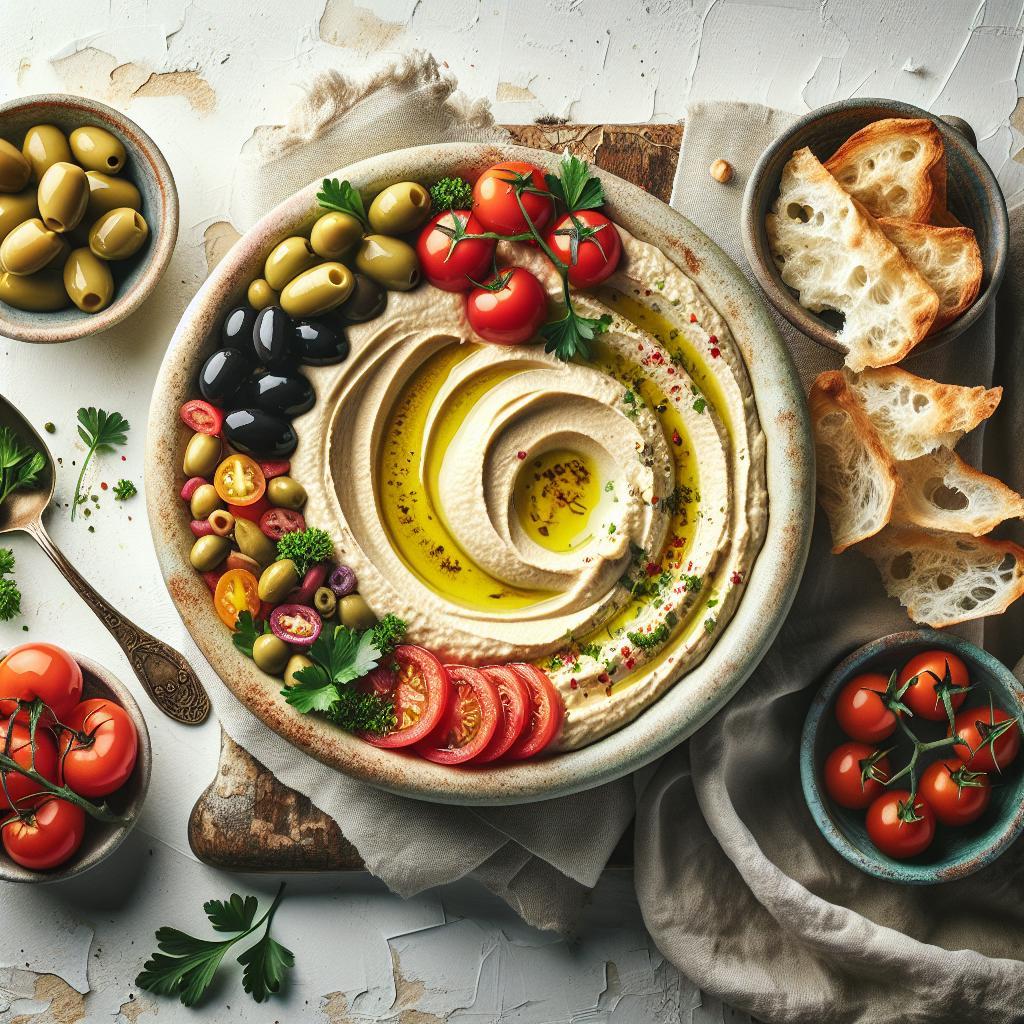
Present your creamy hummus drizzled with a generous swirl of extra virgin olive oil and a sprinkle of smoked paprika or sumac for vibrant color. Garnish with toasted pine nuts or chopped fresh parsley for textural contrast. Pair with warm pita wedges, crisp raw vegetables, or use as a luxurious spread in wraps and sandwiches to elevate everyday meals.
| Nutrient | Per 1/4 cup serving |
|---|---|
| Calories | 180 |
| Protein | 5g |
| Carbohydrates | 15g |
| Fat | 11g |
For further inspiration on crafting vibrant Mediterranean dishes that complement this creamy delicacy, explore our Mediterranean recipes collection. To deepen your understanding of chickpea nutrition and culinary versatility, visit The World’s Healthiest Foods.

Q&A
Q&A: Unlocking Silkiness – The Ultimate Guide to Creamy Hummus
Q1: What makes hummus creamy and silky rather than grainy?
A1: The secret to that luxuriously smooth hummus lies in three key elements: properly cooked chickpeas, the right amount of tahini, and generous blending time. Soft, well-cooked chickpeas break down beautifully, while tahini contributes luscious fat content. Plus, blitzing the mixture long enough develops that silky texture everyone craves.
Q2: Is it better to use canned chickpeas or cook them from scratch?
A2: While canned chickpeas offer convenience, cooking dried chickpeas at home gives you control over softness – a critical factor for creaminess. Slowly simmered chickpeas tend to absorb water better and mash smoothly, whereas canned ones might be firmer and less yielding.
Q3: What’s the role of ice-cold water in making creamy hummus?
A3: Adding ice-cold water during blending is a game changer. It helps emulsify the fats and proteins, creating a fluffier, lighter consistency. It’s like a secret silky whip that turns a dense mixture into something cloud-soft and spreadable.
Q4: How much tahini should I add to achieve creaminess?
A4: Tahini isn’t just a flavor booster; it’s a texture magician. Aim for about 1/4 to 1/3 cup of tahini per 1 1/2 cups of cooked chickpeas. Too little, and your hummus lacks body; too much, and it can overwhelm. Balance is key to that velvety mouthfeel.
Q5: Can I use a food processor instead of a blender?
A5: Absolutely! Both work well, but a food processor is often preferred since its wider blades create more turbulence, helping to break down ingredients finely. Just be patient and stop to scrape the sides regularly – texture is everything.
Q6: Does peeling chickpeas really make a difference?
A6: Yes, although it’s a bit time-consuming, removing the outer skins of chickpeas can drastically improve smoothness. Those tiny skins create a gritty texture, so picking them off results in ultra-clean, silky hummus that melts on your tongue.
Q7: Are there any flavor tricks to enhance creaminess beyond texture?
A7: Absolutely! A pinch of baking soda during chickpea boiling softens beans further, while a splash of good-quality olive oil adds richness. Lemon juice brightens flavors and cuts through the richness for a balanced, decadent dip.
Q8: How can I store homemade hummus to maintain its silkiness?
A8: Store your hummus in an airtight container in the fridge, drizzled with a thin layer of olive oil on top to prevent drying. For best texture, bring it to room temperature and stir gently before serving.
Q9: Can I experiment with alternative beans or additives while keeping it creamy?
A9: Definitely! Butter beans or white beans can substitute chickpeas for a different creaminess profile. Just ensure they’re cooked soft and follow the same blending principles. Experimenting with roasted garlic, roasted red peppers, or herbs can add exciting layers without sacrificing silkiness.
Q10: What’s the biggest mistake people make that kills hummus creaminess?
A10: The cardinal sin is rushing the process-either undercooking chickpeas, skimping on blending time, or adding too much dry seasoning too early. Patience, quality ingredients, and attention to the little details transform simple chickpeas into velvety, dreamy hummus masterpieces.
To Conclude
As you embark on your journey to achieve that perfect creamy hummus, remember that unlocking silkiness is both an art and a science-a delicate balance of technique, quality ingredients, and a touch of patience. With the tips and tricks shared in this ultimate guide, your kitchen will transform into a haven of velvet-smooth blends and irresistible flavors. Whether spread on warm pita, dolloped onto fresh veggies, or layered into your favorite recipes, creamy hummus promises a rich, luscious experience every time. So, grab your food processor, gather your chickpeas, and prepare to indulge in a silky delight that’s as nourishing as it is delicious. Here’s to unlocking the magic of creamy hummus-one silky spoonful at a time!