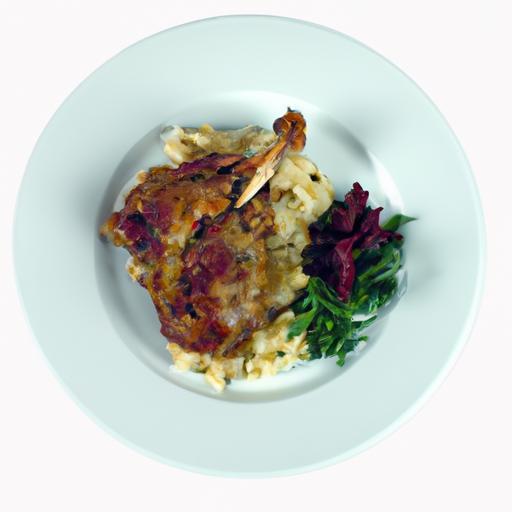

In a world swirling with global cuisines, the rich tapestry of Turkish flavor stands out as a vibrant, sensory journey-inviting food lovers to explore centuries-old traditions wrapped in every bite. But what truly unlocks the secret behind this authenticity? Beyond the aromatic spices and fresh ingredients lies a culinary philosophy deeply rooted in culture, technique, and passion. In this article, we delve into the key elements that transform simple ingredients into an unforgettable Turkish feast, revealing how to capture the genuine essence of this legendary cuisine in your own kitchen. Prepare to embark on a flavorful adventure where history, heritage, and taste converge, unlocking the secret to authentic Turkish flavor.
Unlocking the Secret: The Key to Authentic Turkish Flavor
Unlocking the secret: the key to authentic Turkish flavor begins with mastering the delicate harmony of spices and fresh regional ingredients that breathe life into every dish. Turkish cuisine is a vibrant tapestry woven from centuries of cultural intersections, where each spice and herb tells a story of tradition, warmth, and bold yet balanced flavors.
Prep and Cook Time
- Preparation: 20 minutes
- Cooking: 40 minutes
- Total Time: 1 hour
Yield
Serves 4 hearty portions
Difficulty Level
Medium – Perfect for adventurous home cooks ready to explore authentic techniques
Ingredients
- 500g ground lamb or beef (preferably grass-fed)
- 2 tbsp extra virgin olive oil
- 1 large onion, finely chopped
- 3 cloves garlic, minced
- 1 medium red bell pepper, diced
- 2 tsp ground cumin
- 1 tsp ground coriander
- 1 tsp paprika (preferably smoked)
- 1/2 tsp ground cinnamon
- 1/2 tsp red pepper flakes (adjust to taste)
- 1 tsp dried mint (preferably from Anatolia)
- Salt and black pepper to taste
- 150g cracked bulgur wheat, soaked 10 minutes and drained
- 200ml rich tomato sauce, preferably homemade
- Fresh parsley for garnish
- 1 tbsp fresh lemon juice
Instructions
- Heat the olive oil in a deep skillet over medium heat. Add the finely chopped onion and garlic, sautéing until translucent and aromatic, about 5 minutes.
- Add the diced red bell pepper and cook for 3 more minutes, allowing the natural sweetness to develop while stirring occasionally.
- Introduce the ground lamb or beef to the pan, breaking it apart with a wooden spoon. Sauté until browned evenly, around 8 minutes.
- Sprinkle in the ground cumin, coriander, paprika, cinnamon, and red pepper flakes, stirring constantly to toast the spices and release their essential oils-this step unlocks the secret to authentic Turkish flavor.
- Season generously with salt, black pepper, and the dried mint, mixing well to combine all the robust flavors.
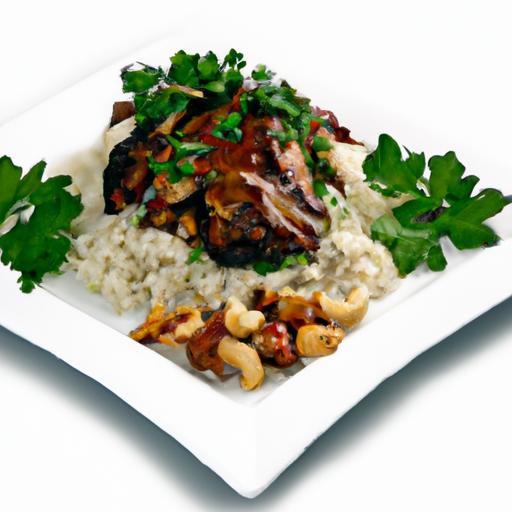
- Fold in the soaked cracked bulgur wheat and pour the tomato sauce over the mixture. Stir to blend, then reduce the heat to low.
- Cover and cook gently for 15-20 minutes, stirring occasionally to prevent sticking, until the bulgur absorbs the sauce and the flavors meld beautifully.
- Finish with a splash of fresh lemon juice to brighten the dish and adjust seasoning if needed.
- Remove from heat and garnish with freshly chopped parsley to add vibrancy and herbaceous notes.
- Serve warm with Turkish flatbread or a side of creamy yogurt for a complete sensory experience.
Tips for Success
- Freshness matters: Use spices that are fresh and whole if possible, grinding them yourself to intensify flavor depth.
- Regional ingredients: Seek out Anatolian dried mint and locally sourced olive oil for authenticity.
- Make ahead: This dish tastes even better the next day as the spices have time to harmonize. Reheat gently with a splash of water or broth.
- Substitutions: For a vegetarian variant, replace meat with hearty cooked lentils or diced eggplant and follow the same spice technique.
- Control heat: Adjust red pepper flakes gradually, ensuring a perfect balance rather than overwhelming spice.
Serving Suggestions
Present this dish with a side of freshly baked simit (Turkish sesame bread) or pide for authentic pairing. A dollop of cool yogurt or a sprinkle of crumbled feta amplifies the rich spices while balancing the warmth. Garnish with thinly sliced radishes and a drizzle of pomegranate molasses for a pop of color and subtle acidity that rounds out the flavors.

| Nutrient | Per Serving |
|---|---|
| Calories | 420 kcal |
| Protein | 28 g |
| Carbohydrates | 30 g |
| Fat | 18 g |
For a deeper dive into Turkish cooking techniques, check out our article on Mastering Turkish Kebabs: Techniques and Tips. To explore the cultural origins of these spices, visit Britannica’s Turkish Cuisine Guide.
Q&A
Q&A: Unlocking the Secret – The Key to Authentic Turkish Flavor
Q1: What makes Turkish cuisine so uniquely flavorful compared to other Mediterranean foods?
A1: Turkish cuisine is a vibrant tapestry woven from the diverse cultural influences of the Ottoman Empire, incorporating fresh herbs, spices, and local ingredients. Its unique blend of sweet, savory, and smoky notes, combined with time-honored cooking methods, creates a flavor profile that’s both rich and balanced, unlike any other Mediterranean fare.
Q2: Is there a single “secret” ingredient that defines authentic Turkish flavor?
A2: While no single ingredient holds the key, a blend of aromatic spices-like sumac, Aleppo pepper, and dried mint-works synergistically to unlock that unmistakable taste. However, the true secret lies in the harmony between these spices and fresh local produce, such as tangy yogurt, vibrant tomatoes, and fragrant olive oil.
Q3: How important is the use of fresh herbs in achieving authentic Turkish taste?
A3: Absolutely essential! Fresh herbs like parsley, dill, and mint are the heartbeat of Turkish dishes. Their bright and lively flavors elevate even the simplest recipes, adding freshness and nuance that dried herbs simply can’t replicate.
Q4: Can home cooks realistically capture the essence of Turkish flavors in their kitchens?
A4: Definitely! With an understanding of the core ingredients and fundamental techniques-like slow roasting, marinating, and grilling-home cooks can bring the soul of Turkey to their plates. Sourcing authentic spices and embracing patience during cooking will transport any meal to Turkish authenticity.
Q5: How does regional diversity within Turkey influence its flavors?
A5: Turkey’s vast geography-from the Aegean coast to the rugged east-means regional variations dramatically shape flavor profiles. Coastal areas favor lighter, herbaceous dishes with olive oil, while eastern regions lean toward richer, meat-centric plates with bold spices. Exploring these regional differences deepens one’s appreciation for Turkish cuisine’s complexity.
Q6: What role do traditional cooking methods play in unlocking Turkish flavors?
A6: Traditional methods like wood-fired grilling, slow baking in tandır ovens, and marinating overnight aren’t just nostalgic-they profoundly enhance flavor depth. These techniques develop smoky undertones, tender textures, and balanced seasoning that define authentic Turkish dishes.
Q7: Is the secret to authentic Turkish flavor more about ingredients, technique, or cultural mindset?
A7: It’s an exquisite trio! Ingredients provide the palette, techniques craft the masterpiece, and the cultural mindset-celebrating communal meals, culinary storytelling, and respect for nature-infuses every bite with heartfelt authenticity. Unlocking Turkish flavor means embracing this complete sensory and cultural experience.
This Q&A aims to inspire curiosity and deepen understanding, guiding readers to unlock the rich, authentic flavors that Turkish cuisine offers.
To Wrap It Up
As the final grains of sumac settle and the aroma of freshly ground spices linger in the air, unlocking the secret to authentic Turkish flavor reveals more than just a recipe-it uncovers a rich tapestry of history, culture, and passion simmering in every dish. By embracing traditional techniques, sourcing genuine ingredients, and understanding the delicate balance of taste, you can transform your culinary journey into an unforgettable exploration of Turkey’s vibrant palate. So next time you cook, remember: the key to authentic Turkish flavor lies not just in what you add to the pot, but in the stories and heritage that infuse every bite. Unlock it, savor it, and let your taste buds wander through the timeless magic of Turkey.