
In a world where wellness trends come and go like fleeting seasons, one dietary tradition continues to stand the test of time, weaving together flavor, culture, and vitality in every bite. The Mediterranean diet, celebrated not just for its colorful plates but for its profound impact on health, offers more than a way to eat-it unlocks a lifestyle rich in nourishment and longevity. From heart health to mental clarity, this ancient yet timeless eating pattern promises benefits that ripple far beyond the dinner table. Join us as we explore the top health advantages of embracing the Mediterranean diet and discover how this vibrant way of living can transform your well-being from the inside out.
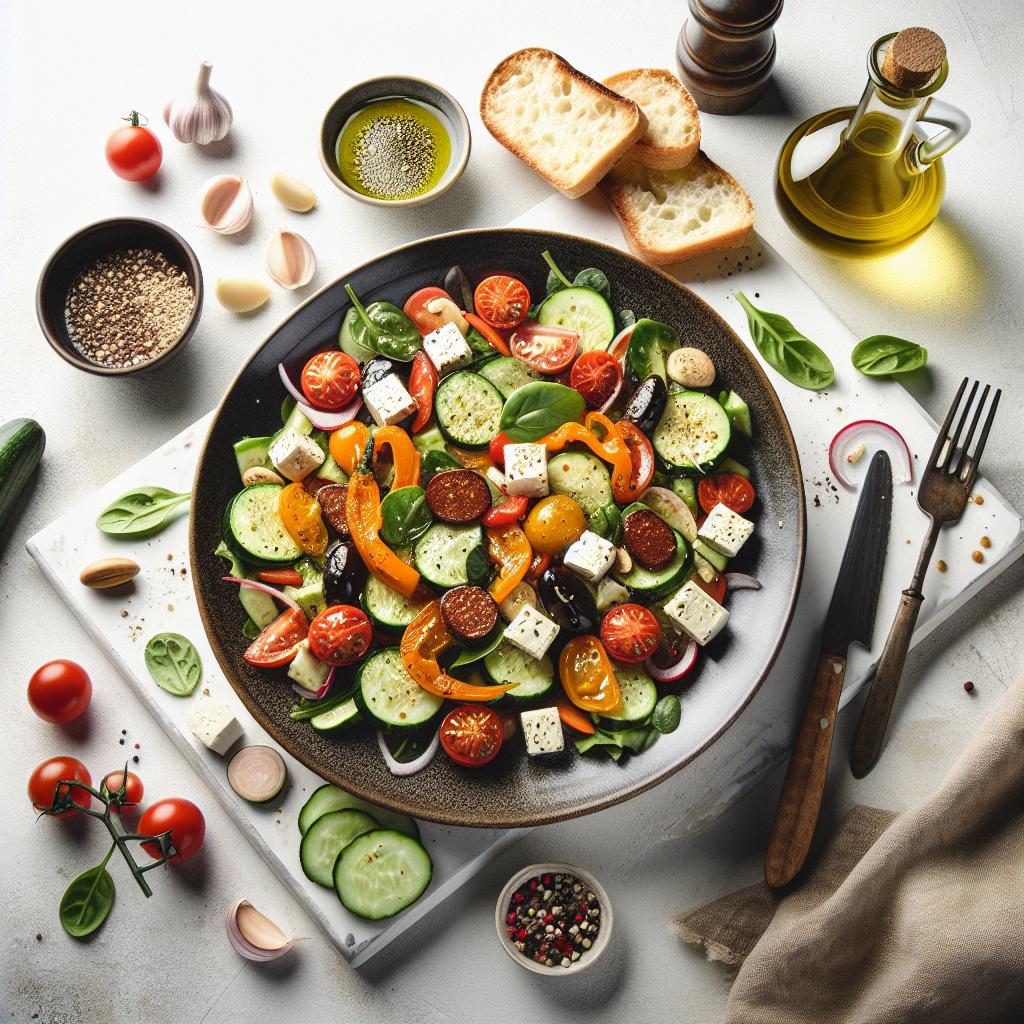
Unlocking Wellness: Top Health Benefits of the Mediterranean Diet begins with embracing dishes infused with vibrant herbs, wholesome olive oil, and sun-ripened produce. A quintessential example is the Grilled Lemon Herb Mediterranean Chicken with Quinoa Salad, a celebration of flavors and nutrition that honors tradition while supporting cardiovascular and mental wellbeing.
Prep and Cook Time
- Preparation: 20 minutes
- Marinating: 1 hour (optional but recommended)
- Cooking: 25 minutes
- Total Time: 1 hour 45 minutes
Yield
Serves 4 generous portions
Difficulty Level
Medium
Ingredients
- For the Chicken:
- 4 boneless, skinless chicken breasts
- 3 tbsp extra virgin olive oil
- 2 cloves garlic, minced
- 1 lemon, zested and juiced
- 2 tsp dried oregano
- 1 tsp smoked paprika
- Salt and freshly ground black pepper, to taste
- For the Quinoa Salad:
- 1 cup quinoa, rinsed and drained
- 2 cups low-sodium vegetable broth or water
- 1 cup cherry tomatoes, halved
- 1/2 cup cucumber, diced
- 1/4 cup Kalamata olives, pitted and sliced
- 1/4 cup red onion, finely chopped
- 1/4 cup fresh parsley, chopped
- 2 tbsp extra virgin olive oil
- 1 tbsp red wine vinegar
- Salt and pepper, to taste
Instructions
- Marinate the Chicken: In a medium bowl, whisk together olive oil, garlic, lemon zest, lemon juice, oregano, smoked paprika, salt, and pepper. Add chicken breasts and coat thoroughly. Cover and refrigerate for at least 1 hour to allow flavors to infuse.
- Prepare the Quinoa: In a medium saucepan, bring vegetable broth to a boil. Add rinsed quinoa, reduce to low heat, cover, and simmer for 15 minutes until liquid is absorbed. Remove from heat and let sit covered for 5 minutes.
- Fluff and Combine: Fluff the quinoa with a fork and transfer to a large bowl. Add cherry tomatoes, cucumber, olives, red onion, and parsley. Drizzle with olive oil and red wine vinegar. Season with salt and pepper, toss gently to combine.
- Cook the Chicken: Preheat grill or grill pan over medium-high heat. Lightly oil the grates. Grill chicken breasts for 6-7 minutes per side or until internal temperature reaches 165°F (74°C) and juices run clear. Let rest for 5 minutes before slicing.
- Plate and Serve: Spoon a hearty portion of quinoa salad onto each plate. Arrange sliced grilled chicken atop or beside the salad. Garnish with a lemon wedge and a sprinkle of fresh parsley to elevate the presentation.
Chef’s Notes
- Variations: Substitute chicken with skinless fish filets such as cod or salmon to further diversify the heart-healthy options.
- Make-Ahead Tip: Marinate chicken up to 8 hours ahead and keep covered in the fridge. Quinoa salad can be prepared a day in advance, improving flavor meld and saving time.
- Ingredient Swaps: Use brown rice or couscous in place of quinoa for a different texture while maintaining Mediterranean authenticity.
- Troubleshooting: If quinoa is bitter, rinse thoroughly under cold water until water runs clear before cooking.
Serving Suggestions
Pair this dish with a light glass of crisp white wine such as Assyrtiko or a refreshing sparkling water with a spritz of fresh lemon. Garnish with edible flowers or microgreens for an elegant finish. Serve alongside grilled seasonal vegetables like zucchini or bell peppers to add more color and nutrients.

| Nutrient | Per Serving |
|---|---|
| Calories | 450 kcal |
| Protein | 38 g |
| Carbs | 32 g |
| Fat | 18 g |
Explore more heart-healthy Mediterranean recipes on our Mediterranean Diet Recipe Collection and deepen your knowledge about lifestyle benefits from Harvard T.H. Chan School of Public Health.
Q&A
Q&A: Unlocking Wellness – Top Health Benefits of the Mediterranean Diet
Q1: What exactly is the Mediterranean diet?
A1: The Mediterranean diet is a vibrant, flavorful way of eating inspired by the traditional cuisines of countries bordering the Mediterranean Sea. It emphasizes fresh fruits and vegetables, whole grains, nuts, legumes, olive oil as the primary fat source, moderate fish and poultry, and limited red meat and sweets. It’s less a restrictive regimen and more a celebration of wholesome, natural foods.
Q2: Why is the Mediterranean diet often hailed as a “superfood lifestyle”?
A2: Because it’s more than just a diet-it’s a lifestyle rooted in balance, variety, and enjoyment. Loaded with antioxidants, healthy fats, and fiber, it supports heart health, fighting inflammation, and stabilizing blood sugar. Scientific studies consistently link it to longer life expectancy and lower rates of chronic diseases.
Q3: How does the Mediterranean diet boost heart health?
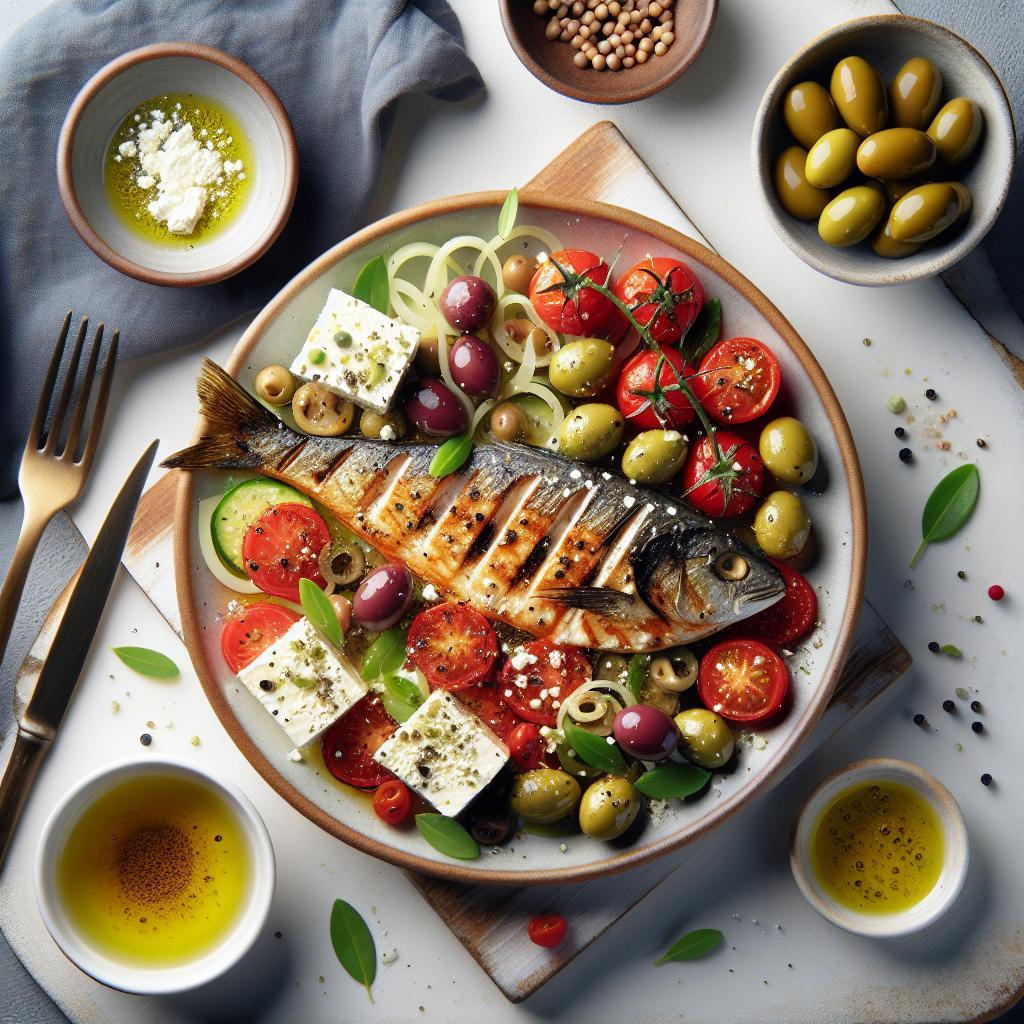
A3: Olive oil, nuts, and fatty fish provide heart-friendly monounsaturated and omega-3 fats that reduce bad cholesterol and inflammation. Combined with antioxidant-rich fruits and vegetables, this diet helps keep arteries clear, reduces blood pressure, and lowers the risk of heart attacks and strokes.
Q4: Can the Mediterranean diet help with weight management?
A4: Absolutely! With its focus on nutrient-dense, whole foods and healthy fats, the Mediterranean diet promotes satiety and reduces unhealthy cravings. Unlike fad diets, it encourages sustainable habits that naturally support a healthy weight without counting calories or feeling deprived.
Q5: What impact does this diet have on brain health?
A5: Research shows that the Mediterranean diet supports cognitive function and may help guard against Alzheimer’s disease and other dementias. Its abundance of antioxidants, vitamins, and omega-3 fatty acids nurtures brain cells, eases inflammation, and promotes neuroplasticity-the brain’s ability to adapt and repair.
Q6: Is the Mediterranean diet suitable for everyone?
A6: Generally, yes! It’s flexible and can be adapted to various dietary preferences and restrictions. Whether you’re vegetarian, gluten-free, or simply looking to eat healthier, the Mediterranean diet’s cornerstone of plant-based, whole foods offers something for everyone.
Q7: How can I start embracing the Mediterranean diet today?
A7: Begin small-swap butter for olive oil, add an extra serving of vegetables to your plate, snack on nuts instead of processed snacks, and favor fresh fish a couple of times a week. Cooking with Mediterranean herbs like basil, oregano, and rosemary adds flavor without extra salt or calories. The key is to enjoy food and savor every bite.
Q8: What makes the Mediterranean diet different from other healthy eating patterns?
A8: It’s a harmonious blend of taste and health, culture and science. Unlike strict diet fads, it’s sustainable and flexible, focusing on whole, unprocessed foods and a joyful approach to meals shared with family and friends. It’s as much about nourishing your soul as it is your body.
Unlocking wellness with the Mediterranean diet is like discovering a delicious pathway to a longer, healthier life-one olive, one grape, and one joyful meal at a time.
Future Outlook
As we’ve uncovered, the Mediterranean diet is far more than a culinary tradition-it’s a vibrant pathway to enhanced well-being. By embracing its rich tapestry of fresh fruits, wholesome grains, heart-healthy fats, and lively herbs, you’re not just nourishing your body; you’re unlocking a lifestyle celebrated for its longevity and vitality. Whether you’re seeking to boost your heart health, sharpen your mind, or simply savor the joy of mindful eating, the Mediterranean diet offers a delicious roadmap to wellness. So why not take a page from the sun-drenched shores of the Mediterranean and let this timeless approach inspire your journey to a healthier, happier you?