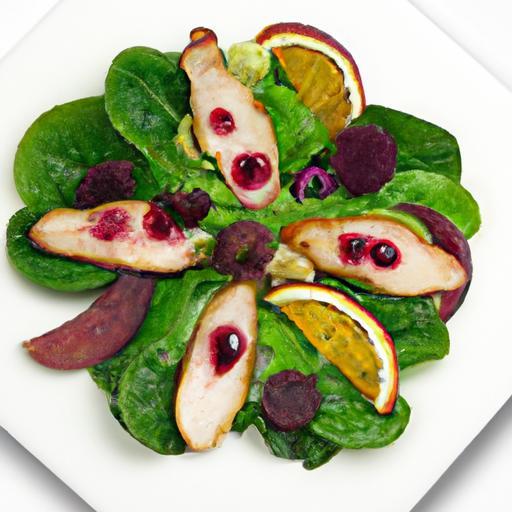

In the colorful tapestry of family meals, where recipes are passed down like treasured heirlooms and the dinner table is often a stage for shared stories and laughter, food is more than just sustenance-it’s a symbol of connection. But what happens when your way of eating diverges from the family norm? When the dishes they cherish clash with your chosen balance of health, ethics, or simply personal preference, mealtime can turn from comforting to contentious. Navigating the delicate dance between honoring family traditions and honoring your own food choices can feel like walking a culinary tightrope. This article delves into the art of finding your food balance when family won’t eat this way, offering insights and strategies to nurture both your well-being and your relationships without sacrificing either.
When Family Won’t Eat This Way: Finding Your Food Balance
Navigating meal planning within a family that holds diverse food preferences can often feel like a balancing act. Yet, when family won’t eat this way, discovering your food balance transforms from a challenge to an opportunity for creativity and connection. This recipe for a Versatile Mediterranean Grain Bowl embodies adaptability and harmony, perfect for honoring individual tastes while maintaining your dietary goals.
Prep and Cook Time
Prep: 20 minutes | Cook: 25 minutes | Total: 45 minutes
Yield
Serves 4 generous bowls
Difficulty Level
Medium (ideal for intermediate cooks looking to creatively customize meals)
Ingredients
- 1 cup quinoa, rinsed thoroughly
- 2 cups vegetable broth or water
- 1 cup cherry tomatoes, halved
- 1 cup cucumber, diced
- 1 avocado, sliced
- 1 cup chickpeas, drained and rinsed (can use canned)
- 1/2 cup Kalamata olives, pitted and halved
- 1/2 cup crumbled feta cheese (optional for non-vegan family members)
- 1/4 cup red onion, finely chopped
- 2 tbsp extra virgin olive oil
- Juice of 1 lemon
- 1 tsp dried oregano
- Salt & pepper, to taste
- Handful fresh parsley, chopped
- Optional toppings: toasted pine nuts, grilled chicken strips, or boiled eggs
Instructions
- Cook the quinoa: Combine the rinsed quinoa and vegetable broth in a medium saucepan. Bring to a boil, then reduce heat to low, cover, and simmer for 15 minutes or until liquid is absorbed. Fluff with a fork and set aside to cool slightly.
- Prepare the veggies: While quinoa cooks, chop the cherry tomatoes, cucumber, avocado, red onion, and olives. Rinse and drain chickpeas thoroughly for a cleaner taste.
- Make the dressing: Whisk together olive oil, lemon juice, oregano, salt, and pepper in a small bowl to marry the Mediterranean flavors.
- Combine ingredients: In a large mixing bowl, gently fold the quinoa, vegetables, chickpeas, and olives together. Drizzle the dressing over and toss to evenly coat all ingredients.
- Add the finishing touches: Sprinkle crumbled feta and chopped parsley on top. For added protein or to accommodate family members who eat meat or eggs, arrange optional toppings on the side for personalized assembly.
- Serve promptly: This bowl shines fresh but can be chilled for 30 minutes if preferred. Stir gently before serving to redistribute dressing and flavors.
Chef’s Notes
- Customization is key: This dish is a gateway to compromise; swap quinoa with couscous, bulgur, or even roasted sweet potatoes depending on what your family prefers.
- Vegan-friendly options: Omit feta or replace with crumbled tofu marinated in lemon and herbs for a satisfying plant-based protein.
- Make-ahead magic: Prepare the grains and dressing a day ahead. Store components separately and assemble right before mealtime to keep textures vibrant.
- Encourage open conversations: Use this dish as a conversation starter during mealtime to explore preferences gently and discover new flavors together.
- Troubleshooting: If flavors feel flat, a sprinkle of sumac or a dash of smoked paprika can intensify the taste without overpowering.
Serving Suggestions
Present this Mediterranean Grain Bowl in wide, shallow dishes to showcase the rainbow of colors and textures. Garnish with bright lemon wedges and a sprig of fresh parsley for visual appeal. Pair with warm pita bread or crunchy veggie sticks to cater to different textures. Accompany with a light tzatziki or tahini sauce on the side to invite family members to customize further.
| Nutrient | Per Serving |
|---|---|
| Calories | 350 kcal |
| Protein | 12 g |
| Carbohydrates | 45 g |
| Fat | 10 g |
Explore more family-friendly meal ideas to keep even the pickiest eaters satisfied. For further insight on nutritional balance, consult eatright.org, a trusted source on dietary planning.

Q&A
Q&A: When Family Won’t Eat This Way – Finding Your Food Balance
Q1: What does it mean when we say, “your family won’t eat this way”?
A: It means you may have chosen a way of eating-whether plant-based, keto, gluten-free, or any special diet-that doesn’t align with your family’s habits or preferences. This can create tension at the dinner table, where differing food philosophies meet.
Q2: Why is it so challenging to eat differently from your family?
A: Food is more than sustenance; it’s tradition, culture, and connection. When your plate looks different, it can feel isolating or even controversial. You might face questions, judgments, or feelings of exclusion, turning meals into battlegrounds rather than bonding times.
Q3: How can I maintain my food choices without alienating my family?
A: Balance is key. Try blending your choices with familiar dishes-like a plant-based twist on a family favorite. Invite open conversations without pressure. Sometimes, sharing why you eat the way you do can turn curiosity into respect rather than resistance.
Q4: What if my family refuses to accommodate or understand my diet?
A: Remember, you’re responsible for your health and happiness, but you can’t control others. Prepare your own meals occasionally to maintain your integrity. Focus on moments beyond food for connection-shared activities, stories, laughter-so food differences don’t overshadow your relationships.
Q5: Can finding my food balance mean compromise?
A: Absolutely. Balance doesn’t mean perfection-it means honoring your needs while respecting theirs. Maybe you’ll share a meal but duel with your sparkling water instead of soda, or enjoy the family recipe with a side you’ve prepared. The goal? Nourishment for body and belonging.
Q6: Are there practical tips to help navigate this balance?
A: Yes! Pack your own lunch for family gatherings, suggest hosting meals where everyone brings a dish, or introduce gradually new recipes into the rotation. Communicate gently but firmly about your needs. And most importantly, cultivate kindness-with yourself and your loved ones.
Q7: How can embracing food balance improve my family relationships?
A: When you respect differences and find common ground, food becomes a bridge rather than a barrier. Sharing meals-even with variations-reinforces love and acceptance. Your integrity sparks curiosity, inspires flexibility, and invites your family to see that health and harmony can coexist.
Key Takeaways
In the dance of family meals, sometimes the rhythm of your plate beats to a different tune. Finding your food balance when your loved ones won’t eat the same way is not just about compromise-it’s about carving out a space where your choices nourish your body and soul without discord. Remember, honoring your needs can coexist with honoring theirs, creating a mosaic of flavors and values around the table. Embrace the journey of culinary individuality as a bridge, not a barrier, and let your food story be one of harmony in diversity. After all, the most satisfying meals are those seasoned with understanding, respect, and a pinch of patience.