
There’s a certain magic in turning simple ingredients-eggs, sugar, and wine-into a creamy, golden elixir that dances on the tongue. Zabaglione, the classic Italian custard, has been enchanting palates for centuries with its airy texture and delicate balance of sweetness and warmth. This isn’t just a dessert; it’s an experience, a moment where kitchen alchemy meets heartfelt tradition. In “Whisking Wonder: Mastering the Classic Zabaglione Recipe,” we invite you to embark on a culinary journey that reveals the secrets behind this timeless treat, guiding you step-by-step to create a luscious masterpiece that’s as elegant as it is effortless. Whether you’re a seasoned chef or a curious beginner, prepare to whisk your way into a world of flavor and finesse.
Whisking Wonder: Mastering the Classic Zabaglione Recipe
Whisking wonder truly unfolds in the delicate dance of turning simple ingredients into an ethereal zabaglione-a luscious Italian custard that whispers of sunlit vineyards and rich culinary heritage. Originating from the Piedmont region, this timeless dessert elevates humble egg yolks, sugar, and sweet wine into a cloud-like marvel that melts on the tongue. With every vigorous yet gentle whisk, you awaken a silky texture that can only be described as pure magic. Let’s embark on a meticulous journey to capture that light, fluffy essence, balancing vibrant sweetness and subtle acidity to craft an irresistibly harmonious finale for any meal.
Prep and Cook Time
Preparation: 10 minutes | Cooking: 10 minutes | Total Time: 20 minutes
Yield
4 generous servings
Difficulty Level
Medium – A blend of patience and technique yields extraordinary results
Ingredients
- 6 large egg yolks at room temperature (essential for smooth emulsification)
- 6 tablespoons granulated sugar (balances and sweetens to perfection)
- 1/2 cup Marsala wine (dry or sweet depending on your taste; key to authentic flavor)
- 1 teaspoon pure vanilla extract (optional, adds warm floral notes)
- Pinch of salt (enhances depth and contrast)
Instructions
- Prepare a double boiler: Fill a medium saucepan with about 2 inches of water and bring it to a gentle simmer. Ensure the bowl you use for whisking fits snugly atop without touching the water.
- Combine yolks and sugar: Place egg yolks and sugar in a heatproof bowl. Using a wire whisk, vigorously blend until pale and creamy, signaling the sugar is almost dissolved.
- Add wine and salt: Gradually whisk in the Marsala wine and a pinch of salt. The liquid will loosen the mixture, preparing it for aeration over the heat.
- Whisk over simmering water: Position the bowl over the simmering water. Start whisking energetically in a circular motion, lifting and folding constantly. The mixture will begin thickening and increase threefold in volume. This process usually takes 7-10 minutes; patience is your ally.
- Monitor texture carefully: Look for a light, velvety custard that leaves a thick ribbon on the whisk when lifted. Avoid overheating – the custard should never boil to prevent curdling.
- Remove and add vanilla: Once perfectly fluffy and glossy, take the bowl off the heat. Stir in the vanilla extract gently to keep the airy texture intact.
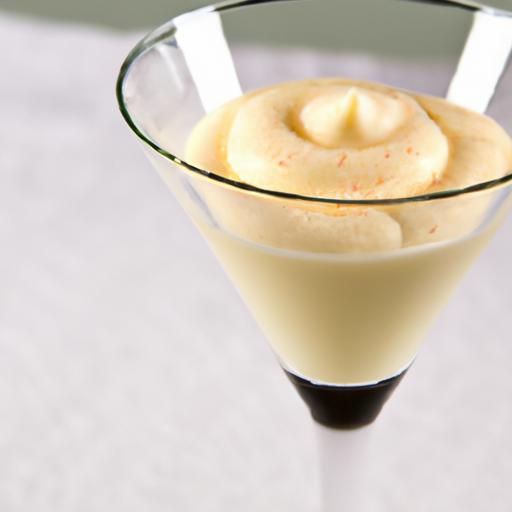
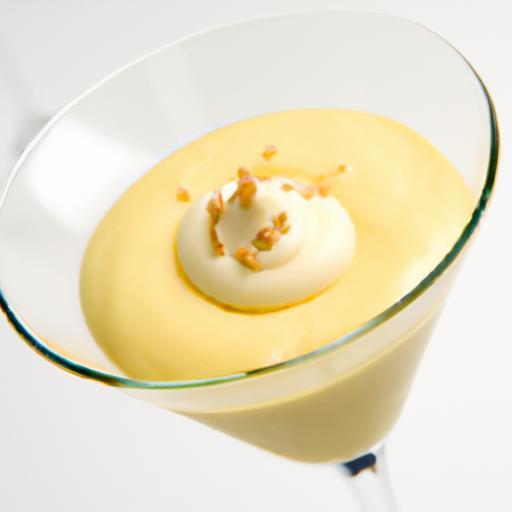
- Serve immediately: Spoon the zabaglione into elegant glass cups or ramekins. Optionally, garnish with fresh berries, a dusting of cocoa powder, or a sprig of mint to create an inviting tableau.
Chef’s Notes: Tips for Success
- Ingredient temperature matters: Room temperature eggs whisk more easily than cold, producing superior volume.
- Choose your wine wisely: Traditional zabaglione shines brightest with aromatic Marsala, but experimentation with sweet Moscato or Sherry can provide delightful new profiles.
- Resistance is key: Don’t rush the whisking-embrace the arm workout; this effort develops airiness, delivering that signature fluffy texture.
- Rescue a curdled custard: If your zabaglione starts to separate, swiftly remove from heat and whisk vigorously off the heat to smooth it out.
- Make-ahead flexibility: Zabaglione is best served fresh. If necessary, prepare up to 1 hour before serving and cover with plastic wrap directly on the surface to prevent skin formation.
- For an egg-free variation, consider exploring this vegan Italian desserts post for inspiration.
Serving Suggestions
Present your whisking wonder in delicate glasses layered with macerated fresh strawberries or ripe peaches for a burst of natural acidity that complements zabaglione’s sweet silkiness. A sprinkle of finely chopped toasted almonds or pistachios introduces an inviting crunch and visual contrast. For an adult twist, drizzle a touch more Marsala or even a zingy citrus zest on top. Pair this divine custard alongside a rich dark chocolate tart or a crisp biscotti to round out an unforgettable Italian meal finale.

| Nutrient | Amount per Serving |
|---|---|
| Calories | 210 kcal |
| Protein | 5 g |
| Carbohydrates | 25 g |
| Fat | 12 g |
To deepen your understanding of classic Italian techniques, visit the Academia Italiana di Cucina for expertly curated culinary resources and authentic recipes.
Q&A
Q&A: Whisking Wonder – Mastering the Classic Zabaglione Recipe
Q1: What is zabaglione, and why is it considered a timeless dessert?
A1: Zabaglione, sometimes spelled zabaione, is a luscious Italian dessert made by whisking egg yolks, sugar, and sweet wine into a light, frothy custard. Its magic lies in its simplicity-just a few ingredients transformed by patient whisking into a creamy cloud of flavor. This centuries-old treat embodies the sweet alchemy of tradition and technique, making it a timeless delight on tables from Venice to your kitchen.
Q2: What type of wine is traditionally used in zabaglione, and can substitutions be made?
A2: The classic choice is a dry, aromatic Marsala wine, prized for its nutty, caramel-like notes that complement the custard’s rich sweetness. However, adventurous cooks sometimes sub white wine like Moscato or even sparkling wine to create unique twists. Just remember: the wine’s flavor sings through the custard, so pick a bottle you love sipping!
Q3: What’s the secret to mastering the perfect zabaglione texture?
A3: The magic happens in the wrist! Constant, vigorous whisking over gentle heat is essential. This slow dance of steam and air whips egg yolks into a silky, voluminous custard that’s neither scrambled nor runny. Patience and rhythm, like a well-conducted symphony, transform humble ingredients into a velvety marvel.
Q4: Can zabaglione be served warm, or is it better chilled?
A4: Both ways are enchanting! Traditionally, zabaglione is enjoyed warm, straight from the double boiler, where its cozy softness shines. But chilling it turns the custard into a creamy, spoonable dessert reminiscent of a mousse. Some even fold in whipped cream for an extra indulgent twist.
Q5: Any creative serving suggestions for zabaglione enthusiasts?
A5: Absolutely! Try spooning zabaglione over fresh berries, stone fruits, or even grilled pound cake. Drizzle it atop a scoop of gelato for a dreamy Italian sundae. For a dramatic finish, dust with cinnamon or cocoa powder or sprinkle with toasted nuts. Zabaglione’s versatile charm invites endless pairing possibilities.
Q6: How can beginners avoid the common pitfalls when making zabaglione?
A6: Avoid haste and high heat-too much heat or whisking missteps can scramble the eggs. Use a wide, heatproof bowl and a sturdy whisk, and set your double boiler over gently simmering water, not a roaring boil. If your custard starts looking grainy, whisk in a teaspoon of warm liquid or remove from heat briefly to smooth it out. Practice makes perfect, and each batch gets you closer to that airy, golden bliss.
Q7: Why is zabaglione considered a celebration of simple ingredients?
A7: Zabaglione’s beauty is rooted in humble elements-egg yolks, sugar, and wine-celebrated through tradition and technique rather than complexity. It shows how simple ingredients, treated with care and a little elbow grease, can create something spectacular. It’s a delicious reminder that magic often lives in simplicity.
Future Outlook
As the delicate clouds of zabaglione gently settle into a silky, golden embrace, you’ve not only mastered a timeless Italian classic-you’ve unlocked a culinary secret that transforms simple ingredients into an ethereal experience. Whether served warm atop fresh berries or chilled as a decadent dessert on its own, this velvety custard carries with it centuries of tradition and a touch of magic. So next time you whisk, remember: with every fold and air bubble, you’re crafting more than a dessert-you’re creating a moment of pure, creamy wonder that lingers long after the last spoonful. Embrace the art, savor the process, and let your zabaglione become a signature delight in your kitchen repertoire.