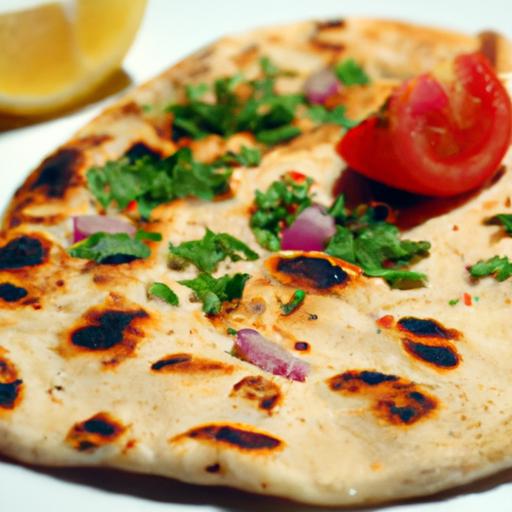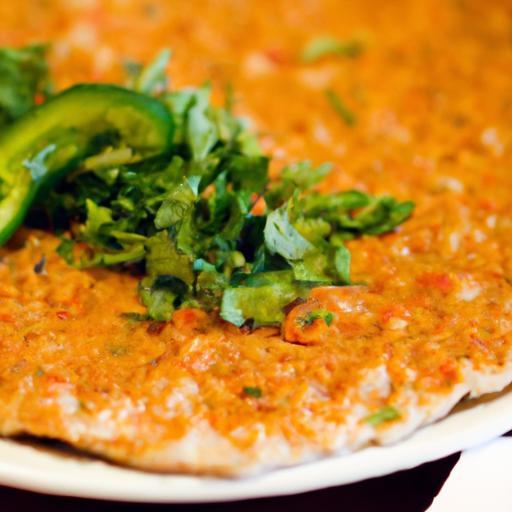

There’s nothing quite like biting into a perfectly crispy lahmacun – that golden, thin crust topped with a fragrant blend of minced meat, herbs, and spices. But all too often, the reality falls short: instead of satisfying crunch, you get a soggy, limp disappointment that leaves you wondering, “Why is my lahmacun soggy?” Fear not! Behind that softened crust lies a handful of culinary secrets waiting to be unveiled. In this article, we’ll dive into the common causes of soggy lahmacun and share expert tips to keep your favorite Turkish flatbread irresistibly crisp, bite after glorious bite. Whether you’re a home cook or a takeout enthusiast, get ready to transform your lahmacun experience from soggy to spectacular.
Why Is My Lahmacun Soggy? Unlocking the secrets to the perfect crispy lahmacun begins with understanding moisture control and mastering dough artistry. This beloved Middle Eastern flatbread topped with a vibrant mixture of minced meat, vegetables, and spices demands precision, from kneading to baking. A crisp lahmacun is more than texture-it’s a symphony of flavors with a satisfying crunch that elevates every bite.
Prep and Cook Time
- Preparation: 30 minutes
- Resting Time: 1 hour (dough rise)
- Cooking: 8-10 minutes per batch
- Total Time: Approximately 1 hour 45 minutes
Yield
Serves 6 thin, crispy lahmacun rounds.
Difficulty Level
Medium – Requires patience and attention to detail for dough and topping balance.
Ingredients
- For the dough:
- 2 ½ cups all-purpose flour, sifted
- 1 tsp instant dry yeast
- 1 tsp sugar
- 1 tsp salt
- 1 tbsp olive oil
- 1 cup lukewarm water (approx.)
- For the topping:
- 10 oz (300g) lean ground lamb or beef
- 1 medium onion, finely chopped
- 2 ripe tomatoes, deseeded and finely chopped
- 1 bunch parsley, finely chopped
- 2 cloves garlic, minced
- 2 tbsp tomato paste
- 1 tsp red pepper flakes
- 1 tsp paprika
- ½ tsp ground cumin
- Salt and freshly ground black pepper, to taste
- 1 tbsp olive oil
Instructions
- Activate the yeast: In a small bowl, combine lukewarm water, sugar, and yeast. Let rest 5-7 minutes until foamy to ensure the yeast is alive.
- Prepare the dough: In a large bowl, whisk together flour and salt. Make a well in the center; add olive oil and the activated yeast mixture. Mix until a shaggy dough forms.
- Knead for strength: Turn dough onto a lightly floured surface. Knead vigorously for 8-10 minutes until the dough is smooth and elastic. This step is crucial for that distinctive crunch since it develops gluten strands.
- Rest and rise: Place the dough in an oiled bowl, cover with a damp cloth or plastic wrap, and let it rise in a warm place for about 1 hour or until doubled in size.
- Prepare the topping: In a mixing bowl, combine ground meat, finely chopped onion, tomatoes, parsley, garlic, tomato paste, and spices. Mix well until the ingredients are evenly incorporated. Avoid excess moisture by squeezing chopped tomatoes before adding if necessary.
- Divide and roll: Punch down the dough and divide it into 6 equal portions. Roll each into a thin circle, about 9 inches in diameter. Aim for even thickness, as thicker edges can trap moisture and soften.
- Top sparingly: Using your hands or a spatula, spread a thin, even layer of the meat mixture over each dough round, leaving a small border free of toppings to prevent sogginess around the edges.
- Preheat baking surface: Preheat a pizza stone or heavy cast-iron skillet in the oven at 475°F (245°C) for at least 30 minutes. Baking on a hot surface creates an immediate crust, locking in crispness.
- Bake swiftly: Transfer lahmacun onto the hot stone or skillet. Bake 7-10 minutes until edges are crunchy and meat topping is cooked but not dried out. Avoid overbaking which can toughen the topping.
- Rest briefly and serve: Remove lahmacun and place on wire racks to cool for a minute. This prevents steam from softening the crust. Garnish as desired and enjoy immediately for best crunch.
Tips for Success
- Choose lean meat: Excess fat leads to moisture dripping, creating soggy spots. Opt for 85-90% lean ground lamb or beef.
- Tomato prep: Always deseed and gently press out liquid from tomatoes to reduce topping moisture significantly.
- Roll thinly and evenly: Irregular thickness traps moisture and disrupts even baking, risking sogginess.
- Hot baking surface: A preheated pizza stone or cast iron is essential to achieve the signature crisp base.
- Minimal toppings: Overloading results in sogginess. Maintain a thin, even spread for the perfect balance.
Serving Suggestions
Traditionally, lahmacun is served rolled up with fresh lemon wedges, chopped parsley, thinly sliced red onions, or a drizzle of tangy yogurt sauce. For a vibrant twist, serve alongside a crisp cucumber and tomato salad with a splash of pomegranate molasses. Each bite offers a crispy texture paired with fresh, zesty accompaniments.

| Nutrition per Serving | Amount |
|---|---|
| Calories | 320 kcal |
| Protein | 22 g |
| Carbohydrates | 30 g |
| Fat | 12 g |
For a deeper dive into yeast dough techniques, check out our detailed guide on how to make perfect pizza dough. Also, explore food science insights on moisture management from Serious Eats for expert nuances on crispy crust perfection.
Q&A
Q: Why does my lahmacun turn soggy after baking?
A: Lahmacun can get soggy when excess moisture from the toppings seeps into the dough. Ingredients like juicy tomatoes, watery onions, or overly wet meat mixtures release moisture during cooking, making the crust lose its crispness.
Q: How can I prevent the lahmacun dough from becoming soggy?
A: To keep your lahmacun crispy, start with a well-rolled, thin dough and bake it at a high temperature. Also, avoid overloading it with wet toppings; drain or pat dry vegetables and use lean meat or pre-cooked fillings that don’t release too much liquid.
Q: Does the baking temperature affect the crispiness?
A: Absolutely! Baking lahmacun at a high temperature (around 450°F / 230°C or higher) helps the dough crisp up quickly, locking in that desirable crunch before the moisture from toppings can soften it.
Q: Are there any tricks to handle the toppings for a crisp lahmacun?
A: Yes! Sautéing onions and tomatoes lightly before adding them to the lahmacun reduces their water content. Also, spreading toppings thinly and evenly prevents sogginess and ensures even cooking.
Q: Can resting time after baking cause sogginess?
A: Yes-if you cover or stack lahmacun right after baking, trapped steam will soften the crust. Serve immediately or keep it open and warm to preserve that crisp texture.
Q: What are the best storage tips to keep leftover lahmacun crispy?
A: Store leftovers uncovered or loosely wrapped to avoid moisture buildup. To re-crisp, warm lahmacun in a hot oven or skillet for a few minutes rather than microwaving, which tends to make it soggy.
Q: Is the type of flour important for a crispy lahmacun?
A: Definitely-using a flour with higher protein content, like bread flour, can give your dough better gluten structure, resulting in a crispier and sturdier base.
Q: Can I add anything to the dough to improve crispness?
A: Adding a small amount of semolina or cornmeal to the dough or as a dusting can help create a slight crunch on the bottom layer, keeping sogginess at bay.
Remember, mastering the perfect crispy lahmacun is all about balancing moisture and heat-get these right, and every bite will be delightfully crisp!
In Conclusion
In the delicate dance of flavors and textures that make lahmacun a beloved treat, crispiness is the unsung hero that brings every bite to life. Understanding why your lahmacun turns soggy-and how to prevent it-unlocks a new level of enjoyment, where the thin, crispy crust perfectly cradles the savory, spiced toppings. With a few mindful tweaks, from the way you handle moisture to the timing of your toppings, you can transform soggy frustration into crispy satisfaction every time. So next time you crave that irresistible snap beneath your teeth, remember these tips and savor lahmacun as it was meant to be: delightfully crisp, irresistibly flavorful, and utterly unforgettable.