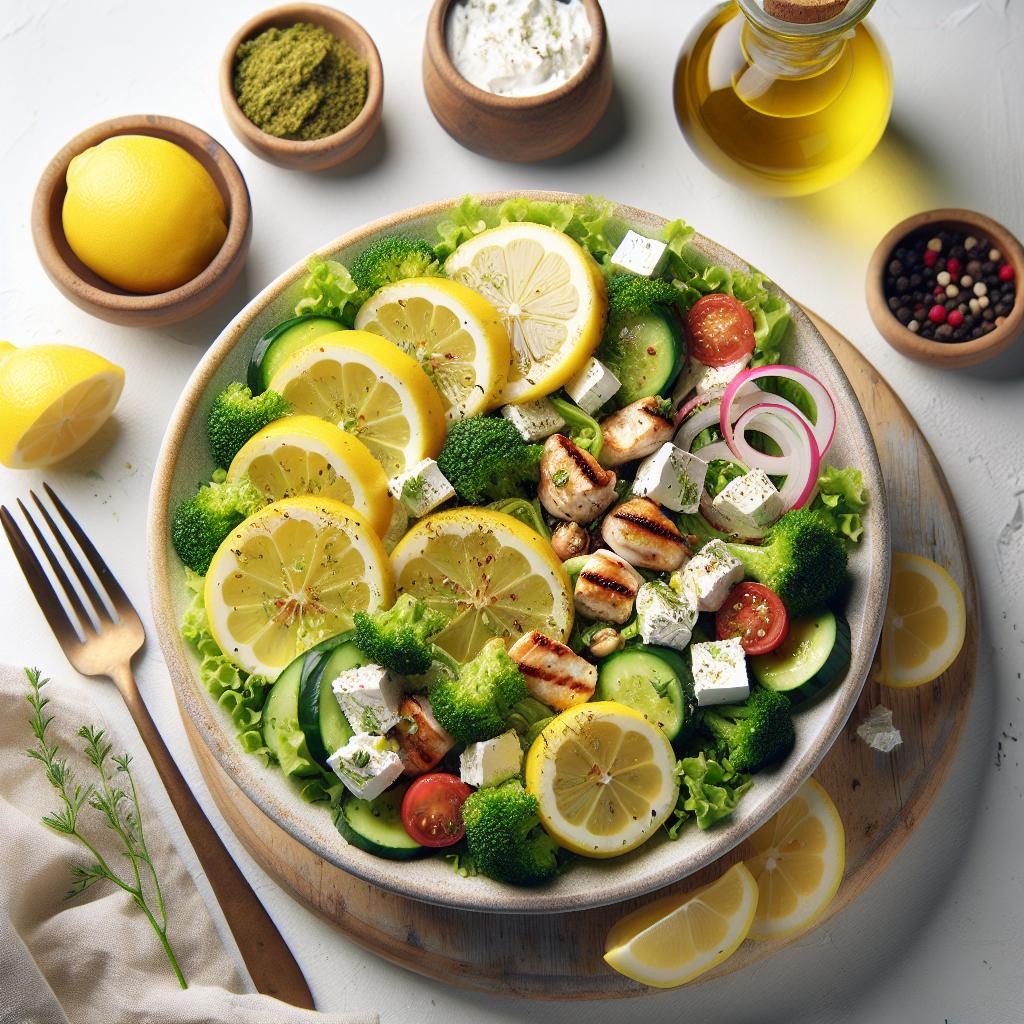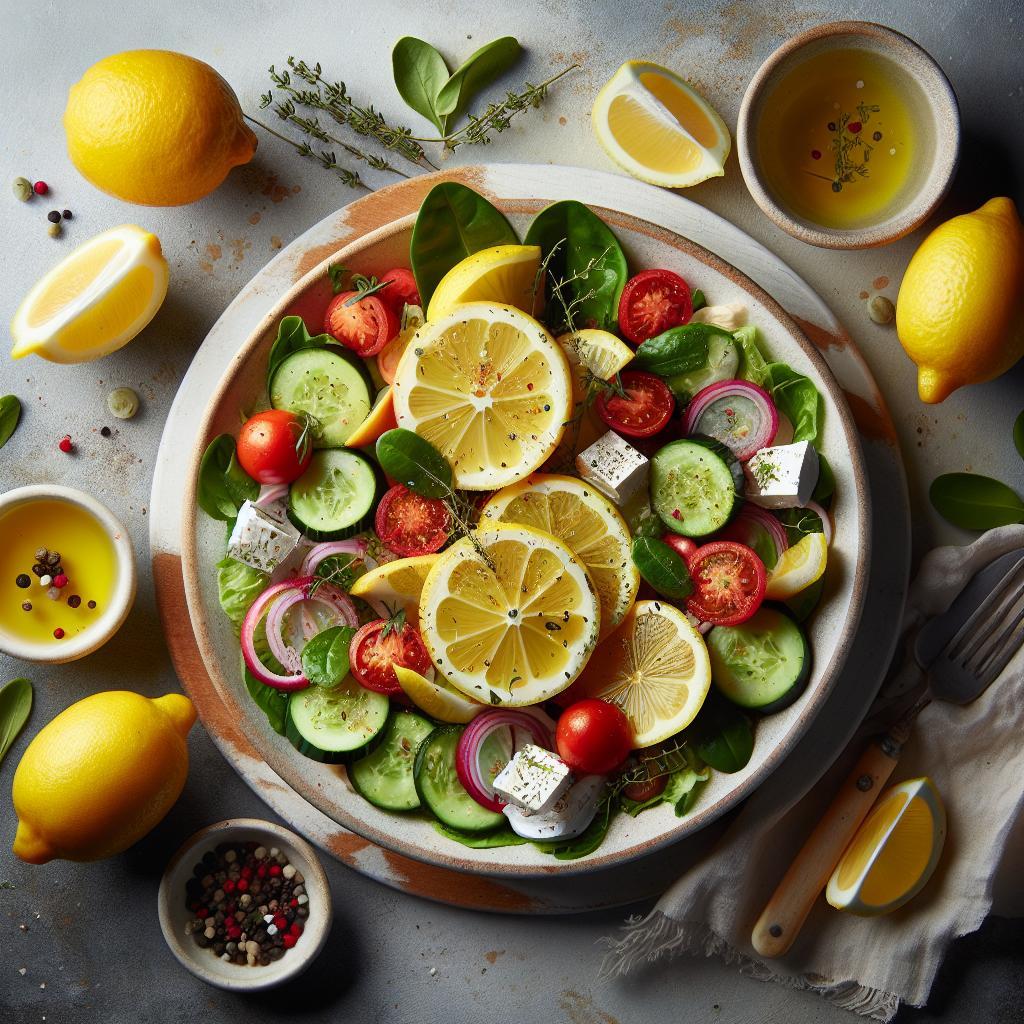

In the vibrant tapestry of Greek cuisine, where sun-kissed olives, fresh herbs, and savory cheeses dance on the palate, one humble hero quietly steals the spotlight: the lemon. More than just a tangy garnish, this zesty fruit is woven into the very heart of Greek cooking, infusing dishes with a bright, lively essence that awakens the senses and elevates traditional flavors. From the rustic kitchens of island tavernas to elegant city feasts, lemon plays a starring role-balancing richness, enhancing freshness, and adding that unmistakable Mediterranean flair. Join us as we peel back the layers of “Zesty Secrets: The Role of Lemon in Greek Cooking Flair,” exploring how this citrus treasure has shaped the soul of Greece’s culinary heritage, one squeeze at a time.
Unlocking the Zesty Secrets of Lemon in Greek Cooking: A Citrus-Laden Delight
Zesty Secrets: The Role of Lemon in Greek Cooking Flair begins with the vibrant essence of lemon, a cornerstone of traditional Greek cuisine that breathes life into every dish. Celebrated for its perfect balance of refreshing acidity and aromatic zest, lemon elevates classic recipes like Avgolemono soup and Greek lemon chicken to unforgettable heights. My own journey with lemon-infused dishes started during a sun-drenched visit to Santorini, where the bright, tangy flavors awakened my palate and transformed my cooking philosophy.
Prep and Cook Time
- Preparation: 20 minutes
- Cooking: 40 minutes
- Total: 1 hour
Yield
- Serves 4 people
Difficulty Level
- Medium
Ingredients
- 1 whole lemon, zested and juiced
- 4 bone-in, skin-on chicken thighs
- 3 cloves garlic, finely minced
- 1/4 cup extra virgin olive oil
- 1/2 cup dry white wine
- 1 cup low-sodium chicken broth
- 1 teaspoon dried oregano
- Salt and freshly cracked black pepper, to taste
- Fresh parsley, chopped, for garnish
Instructions
- Prepare the lemon: Using a microplane, zest the lemon carefully to avoid the bitter white pith. Juice half the lemon and set both zest and juice aside.
- Sear the chicken: Heat olive oil in a large skillet over medium-high heat. Season chicken thighs generously with salt, pepper, and dried oregano. Place skin-side down and sauté until golden brown and crispy, about 6-7 minutes. Flip and cook the other side for 4 minutes. Remove chicken and set aside.
- Sauté the garlic: In the same skillet, reduce heat to medium and add minced garlic. Stir continuously for about 1 minute until fragrant, ensuring it doesn’t brown to avoid bitterness.
- Deglaze and simmer: Pour in the white wine to deglaze the pan, scraping up browned bits at the bottom for depth of flavor. Allow wine to reduce by half, approximately 3 minutes.
- Combine liquids and chicken: Add chicken broth, lemon juice, and reserved lemon zest. Stir gently, then nestle the chicken thighs back into the pan skin-side up.
- Cook through: Lower heat to medium-low, cover, and simmer for 25 minutes, basting occasionally with pan juices to keep the chicken luscious and tender.
- Final touch: Remove the lid, increase heat slightly, and simmer for another 5 minutes uncovered to thicken the sauce.
- Serve and garnish: Plate the chicken with a spoonful of the glossy lemon sauce. Garnish with freshly chopped parsley and additional lemon wedges if desired.
Tips for Success
- For a deeper lemon flavor, marinate the chicken in lemon juice, olive oil, garlic, and oregano for up to 2 hours before cooking.
- Balance acidity by tasting the sauce before serving; if too tart, whisk in a tiny pinch of sugar or a pat of butter to mellow sharp edges.
- Use fresh lemons-bottled juice lacks the vibrant zest that makes this dish sing.
- Pair this recipe with fluffy Greek lemon potatoes or a simple orzo salad to stay authentic.
- If you prefer a less oily dish, remove the chicken skin after searing for a lighter finish.
Serving Suggestions
Present this zesty chicken over a bed of traditional Greek lemon potatoes for a complete meal that highlights the citrus symphony. Complement with a crisp Greek salad featuring tomatoes, cucumbers, Kalamata olives, and creamy feta crumbled on top. A drizzle of extra virgin olive oil and a sprinkle of fresh oregano on your plate will seal the authenticity. Serve chilled ouzo or a dry white wine like Assyrtiko to elevate the culinary experience with refreshing wines true to the Aegean region.

| Nutrient | Amount per Serving |
|---|---|
| Calories | 350 kcal |
| Protein | 38 g |
| Carbohydrates | 4 g |
| Fat | 20 g |
Explore the remarkable health perks of lemon, which is rich in vitamin C and antioxidants, shining as a foundational ingredient for vibrant Greek cooking. To deepen your mastery, visit the Medical News Today overview of lemon’s health benefits.
Q&A
Q&A: Zesty Secrets – The Role of Lemon in Greek Cooking Flair
Q1: Why is lemon such an iconic ingredient in Greek cuisine?
A1: Lemon is more than just a garnish in Greek cooking-it’s a symbol of brightness and balance. Its sharp, tangy flavor cuts through rich and oily dishes, breathing life into traditional recipes and adding that quintessential Mediterranean sunshine. It’s like the culinary equivalent of a Greek breeze, refreshing and essential.
Q2: How does lemon enhance the flavors of classic Greek dishes?
A2: Lemon’s acidity acts as a natural flavor amplifier. In dishes like avgolemono soup, its juice melds with egg to create a silky, tangy broth that’s both comforting and vibrant. It wakes up grilled meats and seafood, sharpens the earthy qualities of vegetables, and even elevates simple olive oil and herb dressings into something sublime.
Q3: Is lemon used differently in Greek cooking compared to other Mediterranean cuisines?
A3: While lemon features prominently across Mediterranean kitchens, Greeks wield it with a distinctive flair-often pairing it with herbs like oregano, dill, and mint to create complex layers of zest and freshness. In Greek cuisine, lemon isn’t shy; it’s used generously, providing an unmistakable zing that defines many traditional recipes.
Q4: Can lemon replace vinegar or other acidic ingredients in Greek recipes?
A4: Absolutely! Lemon often steps in as the preferred acidulant because it imparts both tang and brightness without overpowering. Unlike vinegar, lemon juice adds a subtle sweetness alongside its acidity, creating a balanced, harmonious taste that vinegar alone can’t replicate.
Q5: Are there any lesser-known uses of lemon in Greek cooking that surprise even some enthusiasts?
A5: Yes! Beyond flavor, lemon juice is used as a natural tenderizer in marinades, softening meat fibers while infusing them with zest. Additionally, lemon peel is sometimes added to desserts and preserves, contributing aromatic oils that deepen the sensory experience-proof that lemon’s role extends far beyond just its juice.
Q6: How does lemon tie into the broader cultural significance of Greek food?
A6: Lemon embodies the Greek culinary spirit-simple ingredients transformed with care to celebrate freshness and life. It reflects the coastal, sun-drenched landscape and the Greeks’ appreciation for bold yet balanced tastes. Each squeeze tells a story of tradition, health, and the joyous gathering around the table.
Q7: What’s a quick tip for home cooks wanting to infuse Greek flair using lemon?
A7: When grilling or roasting proteins, add a generous splash of fresh lemon juice at the end of cooking to brighten flavors instantly. For salads, a dressing combining lemon, olive oil, garlic, and herbs can transform even humble greens into a vibrant Greek-inspired feast. Remember-don’t hold back; lemon is meant to sing in Greek dishes!
The Way Forward
As the sun-drenched landscapes of Greece inspire each lemon’s tart burst, so too does this humble fruit infuse Greek cuisine with its vibrant soul. From the tangy zest that dances in marinades to the bright juice that lifts sauces and salads, lemon is far more than a simple garnish – it is the secret spark that awakens flavors and bridges tradition with innovation. Embracing lemon’s role in Greek cooking is to taste the Mediterranean itself: fresh, bold, and endlessly refreshing. Next time you savor a Greek dish, remember that behind its unforgettable flair lies the zesty magic of lemon, quietly reigning as the crown jewel of culinary artistry.