In the vibrant tapestry of Mediterranean cuisine, whole grains stand as the humble heroes, weaving nutrition and flavor into every bite. From the sun-drenched fields of Sicily to the bustling markets of Athens, these ancient grains have fueled generations with their hearty textures and wholesome goodness. Welcome to “Grain Gains: Top Whole Grains to Power Your Mediterranean Plate,” where we embark on a delicious journey through the grains that bring vitality, tradition, and a touch of rustic charm to the Mediterranean table. Whether you’re a seasoned foodie or a curious newcomer, discover how these nutrient-packed staples can elevate your meals and nourish your body, one grain at a time.
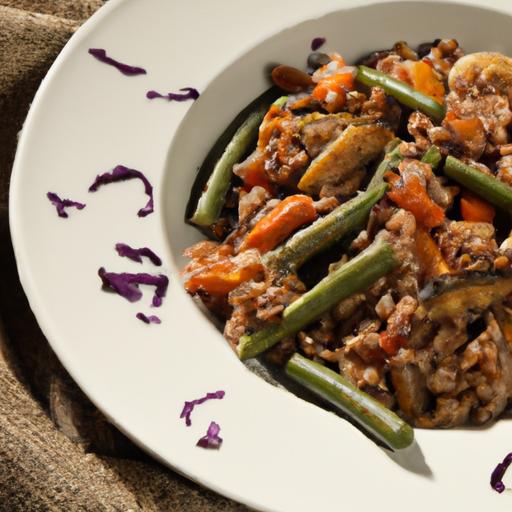
Grain Gains illuminate the abundant benefits of Mediterranean whole grains, transforming your kitchen into a heart-healthy haven. This recipe celebrates freekeh, an ancient cracked green wheat cherished across the Levant, prized not only for its smoky, nutty flavor but also for its robust fiber content that supports digestion and cardiovascular wellness. As a seasoned culinary content creator and food stylist, I find incorporating freekeh into timeless Mediterranean dishes deeply satisfying-each grain brings a chewy texture and earthy depth, making every bite a nourishing experience reminiscent of sun-kissed Mediterranean shores.
Prep and Cook Time
Prep: 15 minutes | Cook: 30 minutes | Total: 45 minutes
Yield
Serves 4 generous portions
Difficulty Level
Medium – Ideal for home cooks ready to explore ancient grains with confidence
Ingredients
- 1 cup freekeh, rinsed and soaked for 20 minutes
- 2 cups vegetable broth or low-sodium chicken broth
- 2 tablespoons extra virgin olive oil
- 1 small red onion, finely chopped
- 3 cloves garlic, minced
- 1 medium tomato, diced
- 1/2 cup chopped fresh parsley
- 1/4 cup toasted pine nuts
- 1 teaspoon ground cumin
- 1/2 teaspoon smoked paprika
- Juice of one lemon
- Salt and black pepper to taste
- Optional: crumbled feta or preserved lemon zest for garnish
Instructions
- Drain and prepare the freekeh: After rinsing and soaking, drain the freekeh well. This step softens the grains, ensuring even cooking and a tender bite.
- Sauté aromatics: Heat olive oil in a heavy skillet over medium heat. Add the onion and sauté until translucent, about 5 minutes. Stir frequently to avoid browning.
- Add garlic and spices: Toss in the minced garlic, cumin, and smoked paprika. Sauté for another minute until fragrant, releasing that characteristic Mediterranean warmth.
- Toast the freekeh: Stir in the drained freekeh and toast it lightly for 2 minutes, allowing the smoky notes of the grain to bloom further.
- Add broth and simmer: Pour in the vegetable broth, bring to a boil, then reduce to low heat. Cover and simmer gently for 20-25 minutes, or until the freekeh absorbs the liquid and becomes tender but chewy.
- Fold in fresh ingredients: Once off the heat, gently mix in the diced tomato, chopped parsley, and pine nuts. Add lemon juice, season with salt and pepper to taste, and combine thoroughly.
- Rest and serve: Let the dish sit covered for 5 minutes to marry flavors. Give it a final fluff with a fork before plating.
Chef’s Notes
- Freekeh Substitution: If freekeh is unavailable, farro or barley offer excellent alternatives that maintain the chewy texture and nutty essences.
- Make-Ahead: Prepare up to a day in advance; grains absorb flavors beautifully over time. Reheat gently with a splash of broth or water to revive moisture.
- Boost Fiber: Stir in a handful of chopped kale or spinach in the final step for an extra nutritional punch and a vibrant splash of green.
- Preserve Flavor: Toasting the grains before cooking elevates their complexity – don’t skip this step!
- Storage Tip: Store leftovers in an airtight container refrigerated for up to 3 days or freeze for up to 1 month.
Serving Suggestions
This freekeh pilaf shines alongside grilled Mediterranean classics: think lemon-herb chicken, charred eggplant, or za’atar spiced lamb. Garnish liberally with crumbled feta and preserved lemon zest for a bright, tangy contrast that adds visual appeal and bursts of flavor. To enhance texture, sprinkle toasted almonds or pomegranate seeds atop for a jewel-like crunch. A drizzle of extra virgin olive oil just before serving elevates mouthfeel and highlights the dish’s natural earthiness.
| Nutrient | Per Serving |
|---|---|
| Calories | 320 kcal |
| Protein | 9 g |
| Carbohydrates | 50 g |
| Fiber | 8 g |
| Fat | 8 g |

Explore more whole grain recipes to boost wellness on our Mediterranean Whole Grain Recipes Collection and dive deeper into the science of grains on the Harvard T.H. Chan School of Public Health for trusted nutritional insights.
Q&A
Q&A: Grain Gains – Top Whole Grains to Power Your Mediterranean Plate
Q1: Why are whole grains essential in a Mediterranean diet?
A1: Whole grains are the powerhouse of the Mediterranean diet, offering fiber, vitamins, and minerals that support heart health, digestion, and sustained energy. Unlike refined grains, they keep the body balanced and the palate satisfied, perfectly complementing the vibrant veggies, olives, and olive oil in Mediterranean cuisine.
Q2: Which whole grains are staples in traditional Mediterranean cooking?
A2: The Mediterranean kitchen treasures a handful of ancient grains like farro, barley, bulgur, and freekeh. Each brings its own unique texture and nutty flavor that transform simple dishes into hearty, wholesome meals. Couscous, although technically a pasta, also steals the show with its fluffy, grain-like appeal.
Q3: How does farro elevate a Mediterranean plate?
A3: Farro is like that reliable friend who makes every meal better. This nutty, chewy ancient wheat grain boasts a rich history and a wealth of fiber and protein. Tossed with sun-ripened tomatoes, fresh herbs, and a drizzle of olive oil, farro turns a salad or soup into a satisfying, nutrient-packed feast.
Q4: What makes barley a Mediterranean grain gem?
A4: Barley’s versatility and hearty texture make it a Mediterranean favorite. It absorbs flavors beautifully and adds a lovely chew to brothy soups and stews. Plus, its beta-glucan fiber helps reduce cholesterol, supporting the diet’s heart-healthy reputation.
Q5: Can bulgur be a quick and easy grain choice?
A5: Absolutely! Bulgur is a time-saving hero in Mediterranean cooking. Pre-steamed and dried, it cooks fast and effortlessly soaks up herbs, lemon juice, and olive oil in classics like tabbouleh. It’s a bright, fresh grain that doesn’t keep you waiting.
Q6: What about lesser-known grains like freekeh?
A6: Freekeh is an ancient green wheat harvested young, giving it a smoky, slightly tangy flavor with a wonderfully chewy bite. It’s a nutrient-dense secret weapon for Mediterranean dishes needing extra zing and substance.
Q7: How can I incorporate these grains into my everyday meals?
A7: Start simple-swap white rice for farro in your salad, stir barley into your soups, or use bulgur as a base for veggie-packed bowls. Mix grains with Mediterranean staples like olives, feta, fresh veggies, and herbs for meals that are easy, wholesome, and bursting with flavor.
Q8: Are these grains good for gluten-free diets?
A8: Most classic Mediterranean whole grains like farro, barley, and bulgur contain gluten, so they’re not suitable for gluten-free diets. If you’re gluten-sensitive, try gluten-free whole grains such as quinoa or millet, which also pair wonderfully with Mediterranean flavors.
Q9: What’s the biggest benefit of adding these whole grains to my Mediterranean plate?
A9: Beyond the rich textures and flavors, these whole grains contribute to steady blood sugar, improved digestion, and heart health. They complete the Mediterranean puzzle by providing long-lasting energy, helping you feel nourished and vibrant after every meal.
Q10: Any tips for cooking these whole grains perfectly?
A10: Rinse grains before cooking to remove any dust or bitterness. Use a ratio of about 3 cups of water to 1 cup of grain for chewy textures. For extra flavor, swap some water with vegetable broth. Lastly, let grains rest covered after cooking to fluff up beautifully and maximize their taste.
Embrace these grain gains and transform your Mediterranean plate into a celebration of health, history, and heavenly taste!
Insights and Conclusions
As the sun sets over the vibrant Mediterranean table, it’s clear that whole grains are more than just humble staples-they are the hearty heartbeats of this timeless cuisine. From nutty farro to fragrant bulgur, each grain offers a unique texture and a wealth of nutrients that not only enhance flavor but also fuel your body with wholesome energy. By embracing these grain gains, you’re not just savoring delicious meals; you’re tapping into centuries of tradition, health, and vitality. So next time you craft your Mediterranean plate, let whole grains take center stage-because the path to lasting wellness is often paved with the simplest, most natural ingredients. Bon appétit to your grain-powered journey!